

Audio By Carbonatix
Women in Kakoshi and Lamsi and nearby communities in the East Gonja District of the Savannah Region are seeing major improvements in their health and livelihoods following the introduction of cleaner cooking technology.
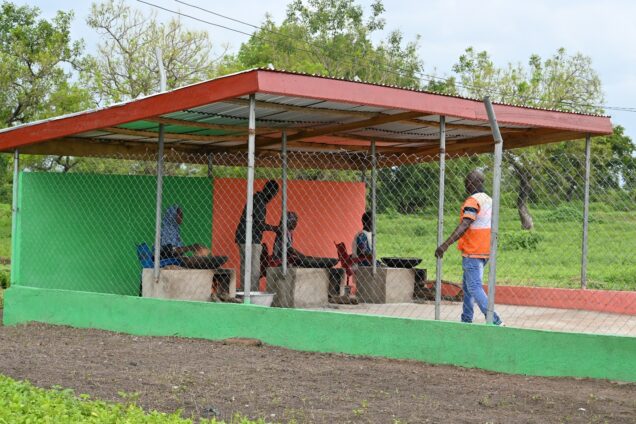
For years, women in these communities in the region processed cassava into gari using firewood and open fire methods that exposed them to heavy smoke and harmful gases. The practice not only affected their health but also contributed to deforestation and took time away from other economic activities.
A new initiative, the Eco-Flame Project, is now changing that.
The project is a joint initiative between World Vision Ghana and Vivo Energy, and it aims to support national efforts to adapt to climate change by promoting the use of energy-efficient stoves. The project aims to lower indoor air pollution and support sustainable livelihoods.
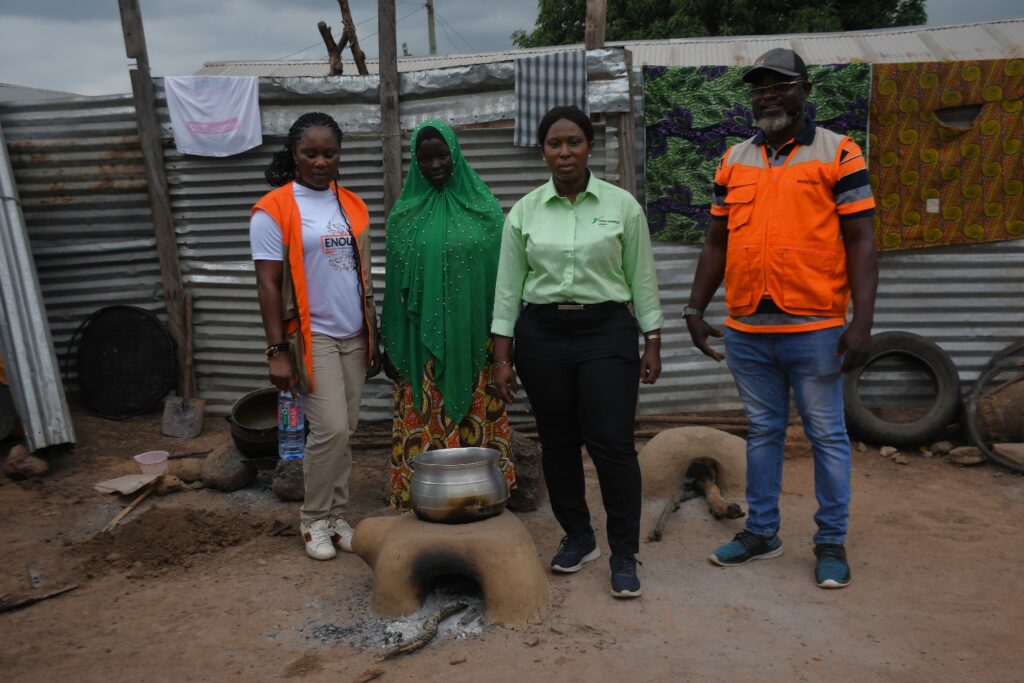
More than 200 women have been trained to build, use, and maintain the stoves. As a result, gari production is now faster, cleaner, and more efficient, helping to increase incomes.
“Our old clay stoves used to give us a lot of sickness, but the modern stoves built by World Vision and Vivo Energy have brought a lot of relief, and we are grateful,” said Azara Tahiru, a beneficiary.
With many households now using the improved stoves, residents say cases of cough and eye irritation have reduced significantly. Fuel wood use per gari roasting batch has fallen significantly. Also, smoke exposure has been virtually eliminated, freeing women from chronic coughs and eye infections. Gari roasting time has halved, and product quality has improved, boosting yields and income.
Project leaders say the initiative is also creating new opportunities, with some women training others and starting small businesses around stove construction. Corporate Communication Manager of Vivo Energy Ghana, Shirley Tony Kum, during her visit to Kakoshi, emphasised the vision for sustainability, project ownership, and potential scale-up across other communities.
This project directly supports Ghana’s Gender policies on gender equity, clean and affordable energy, health protection, and environmental stewardship, in alignment with SDGs 3, 5, 7, 13, and 15. It demonstrates an integrated model where energy-efficient stove technology is linked with women’s skills training, enterprise creation, and local leadership, producing real gains in respiratory health and income across Kakoshi and Lamsi
Latest Stories
-
NPP Techiman South demands immediate release of detained Nurse Salomey Awiti Baffoe
4 minutes -
‘Let’s stop the politics’ — Dafeamekpor calls for united fight against drug trafficking
5 minutes -
Chief Justice Baffoe-Bonnie leads new 11-member Council for Legal Education and Training Board
10 minutes -
Decades of silent diplomacy: Baba Issifu Kamara at 70
23 minutes -
30% transport fare hike still on the table, talks resume Tuesday – GPRTU
32 minutes -
KATH marks 70th anniversary with inter-directorate games
1 hour -
Black Stars: Godwin Attram replaces Desmond Ofei as assistant coach
1 hour -
Nkrumah never dies
2 hours -
CalBank ‘Abakade Promo’ rewards 5 customers with GH¢25,000 in first draw
2 hours -
Ecobank, Joy Business to host financial dialogue on green finance and inclusive agri-growth in Ghana
2 hours -
Nkrumah’s vision remains relevant to Ghana’s future — Mahama
2 hours -
Hitz FM announces Beach Rave for October 31
3 hours -
CPP calls for protection and revival of state-owned enterprises to honour Nkrumah
3 hours -
emPLE Life Insurance named Rising Brand of the Year at 6th CIIG Insurance Excellence Awards
3 hours -
St Peter’s old boys to build 1,000-seater dining hall and modern kitchen for 70th anniversary
3 hours