

Audio By Carbonatix
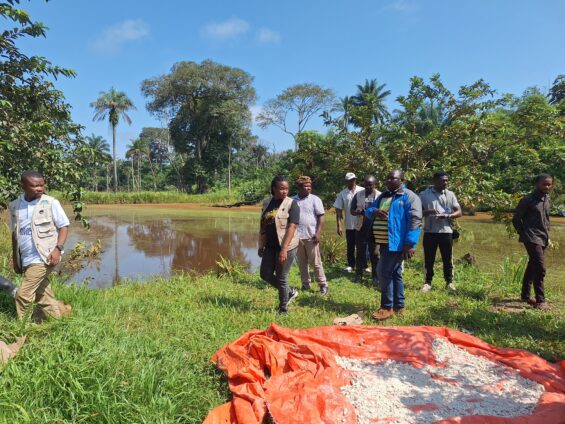
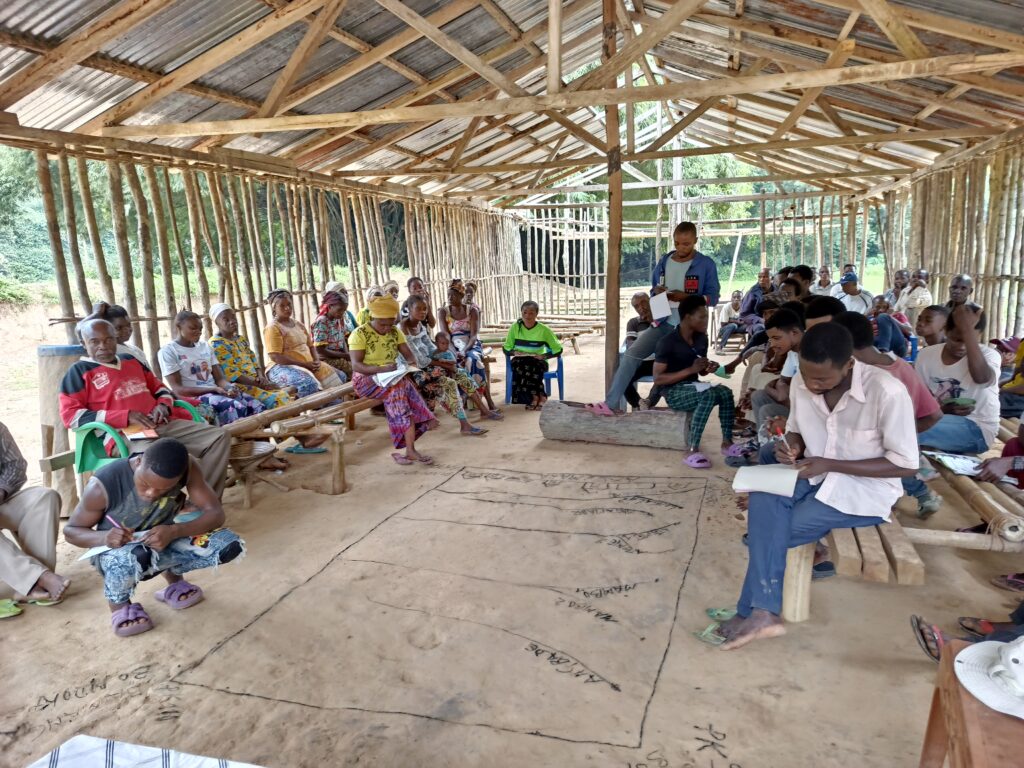
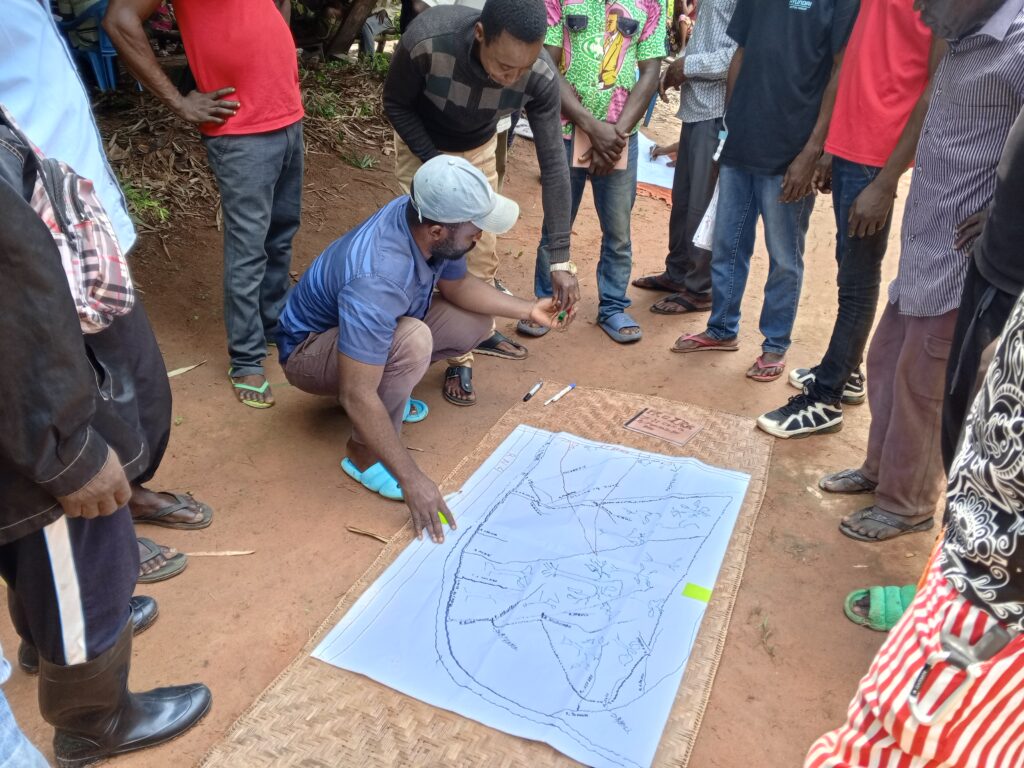
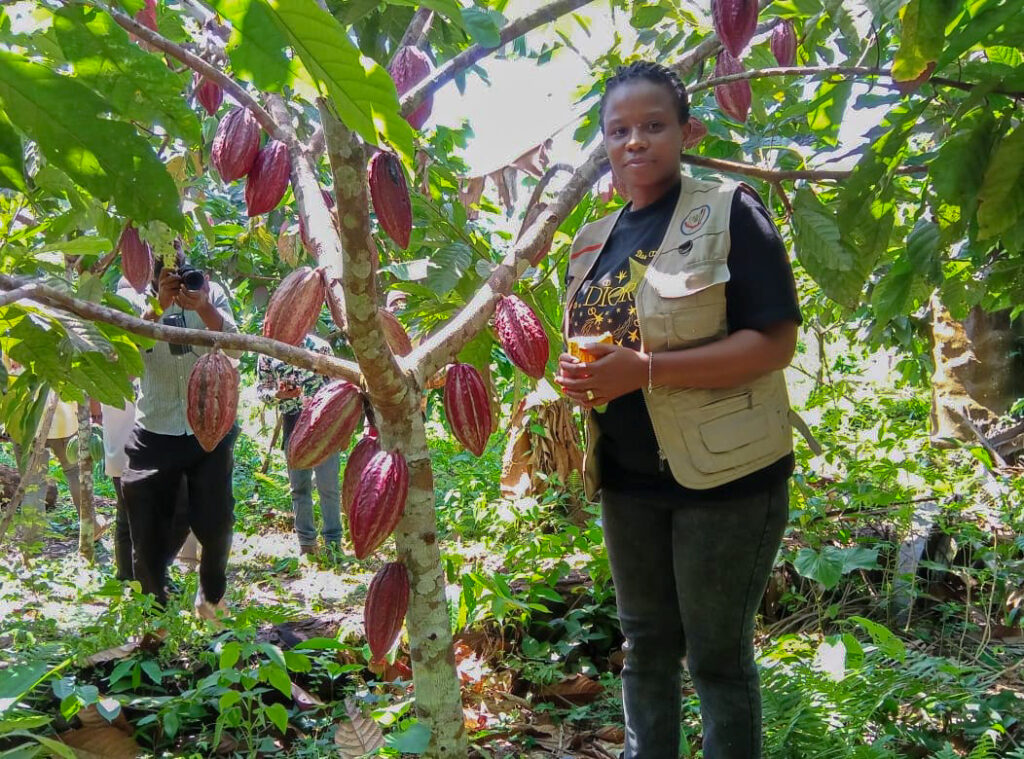
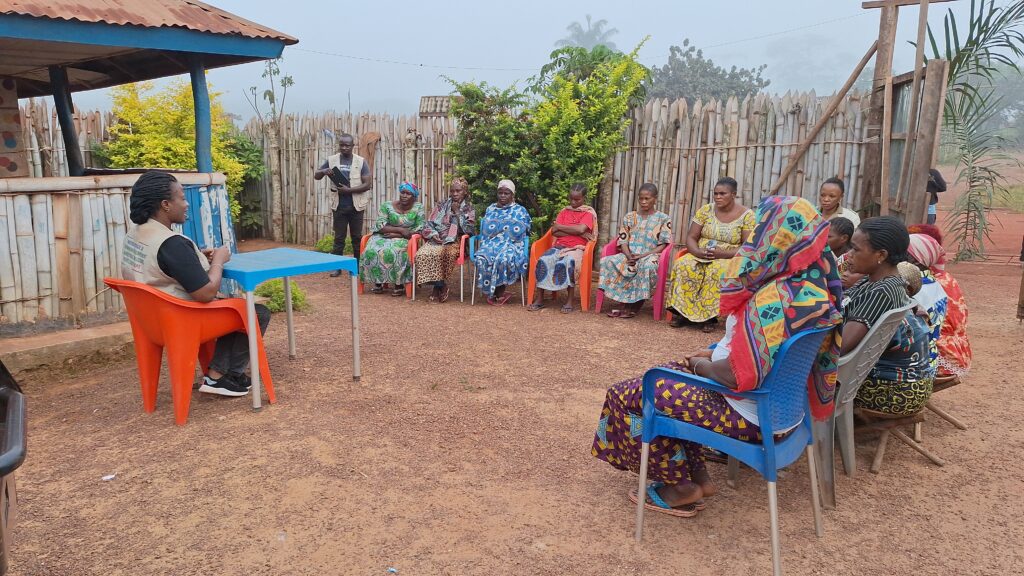
Authorities in Tshopo Province in the Democratic Republic of Congo (DRC) are set to transfer 847,818 hectares of rainforest to Indigenous Peoples and local communities in what is being described as the country’s largest one-day recognition of community lands.
The move, formalised through 31 Local Community Forest Concession (CFCL) titles, strengthens community control over forests in Tshopo Province, where more than 1.2 million hectares are now under community stewardship.
The development comes at a critical time for the Congo Basin, one of the world’s largest carbon sinks, amid growing global attention on climate action, biodiversity protection, and Indigenous land rights.
Tshopo Province, slightly larger than Senegal, has recorded the highest tree cover loss among all provinces in the DRC since 2002.
The announcement also coincides with global efforts to meet the “30x30” target, which seeks to protect 30% of the world’s land and oceans by 2030 under the Kunming-Montreal Global Biodiversity Framework.
Experts say the DRC’s latest action provides a practical example of community-led conservation rooted in legal rights and long-term sustainability.
The country is also implementing a land-use planning law that prioritises community rights in forest governance.
Speaking on the development via Zoom with JoyNews, Mahmud Mohammed-Nurudeen, Director of Tropenbos Democratic Republic of Congo, Professor Alphonse Maindo, said the announcement was a historic moment for community forestry in the country.
“Today is a landmark in the history of community forestry in the DRC. It is an exceptional, unique, and great day,” he said.
He noted that it was the first time in the country’s history that public authorities had awarded such a large number of community forest titles at once, both in terms of the number of communities involved and the size of land secured.
According to him, the process was also completed within a few months, unlike previous efforts that took years.
Maindo praised the collaboration among local authorities, technical partners, and Indigenous Peoples and local communities, while calling for greater investment to support sustainable livelihoods.
“My heart overflows with immeasurable joy, tempered only slightly by the awareness of the long road ahead,” he said.
He stressed that communities would need continued support to turn land rights into sustainable economic opportunities.
The initiative is linked to broader commitments under the Congo Basin Forest Partnership and the Belém Call to Action for the Congo Basin Forests, which aim to increase financing, strengthen governance, and support Indigenous and local communities across the region.
However, forestry experts have warned that many global climate and conservation pledges often fail during implementation.
Analysts say the DRC’s latest move stands out because it delivers legally recognised tenure rights directly to communities rather than announcing new targets without implementation.
The initiative also responds to concerns surrounding conservation models that have historically excluded Indigenous Peoples and local communities from protected areas.
By legally recognising community forest concessions, the DRC is promoting a model where conservation efforts are carried out with communities rather than at their expense.
For Indigenous Peoples and local communities, the new titles provide legal protection against land dispossession, recognition as rights-holders and decision-makers, and a stronger role in shaping land-use and conservation decisions.
In an earlier statement, a member of the local community and active member of the BAVAZILI CFCL in Bafwasende Territory, Marie Andolea, also described the titles as a form of protection for communities facing environmental destruction from illegal gold mining.
“Today, we are moving from the shadows into the light,” she said.
She explained that machine-based gold mining and dredging activities were damaging rivers and forests in the area.
“For us, the Indigenous Peoples, this paper is like a shield. It tells everyone that this forest is our home, the one our ancestors left to us,” she added.
Andolea also called for support to help communities develop livelihoods that would allow them to protect forests without worsening poverty.
Community-managed forests are increasingly recognised globally as effective approaches for protecting biodiversity, storing carbon, regulating climate systems, and supporting resilient local economies.
Experts say placing forest governance in the hands of communities helps connect climate action, biodiversity conservation, and poverty reduction.
Tshopo Province has seen rapid growth in community forestry over the past few years. Between 2014 and 2020, the province had no community forest concessions. By the end of 2026, it is expected to have 43 concessions, with significant growth recorded since 2023.
The allocation of 31 titles in a single move now marks a national record for the DRC and signals growing momentum for community-led forest governance in the Congo Basin.
Latest Stories
-
Richard Dogbe declares bid for NDC Greater Accra Deputy Youth Organiser
4 minutes -
M.anifest questions toxic fan culture amid fresh music industry tensions
5 minutes -
469 farmers paid compensation as Accra-Kumasi Expressway clearance progresses
8 minutes -
Malaysian boy acquitted for murder of schoolgirl on grounds of insanity
16 minutes -
Arabic, Chinese teaching debate should end after Mahama’s clarification – Asah-Asante
17 minutes -
Ashanti Regional Minister halts 24-Hour Market project in Mankranso over school demolition concerns
19 minutes -
The Forgotten “Little Children”
26 minutes -
Zambians warned not to eat dead wildlife after anthrax kills dozens of animals
29 minutes -
AG urges GBA to remain the conscience of Ghanaian society
41 minutes -
24-Hour Economy: Minority questions demolition of schools, markets and other public assets
43 minutes -
China criticises idea it is in ‘malicious competition’ over AI
46 minutes -
Russia hits Ukrainian train shortly after Boris Johnson and top European officials leave station
46 minutes -
Sista Afia reveals fears about becoming a single mother
49 minutes -
Gov’t 24-Hour Economy markets programme is an afterthought – Minority
50 minutes -
Minority wants traders, residents heard before 24-Hour Market projects
50 minutes