

Audio By Carbonatix
Punishment must be part of any plea deal involving Chairman Wontumi, political analyst Dr. Arthur Kennedy has argued.
He insists that any negotiated settlement should include custodial sentences or criminal fines rather than allow an accused person to walk away without consequences.
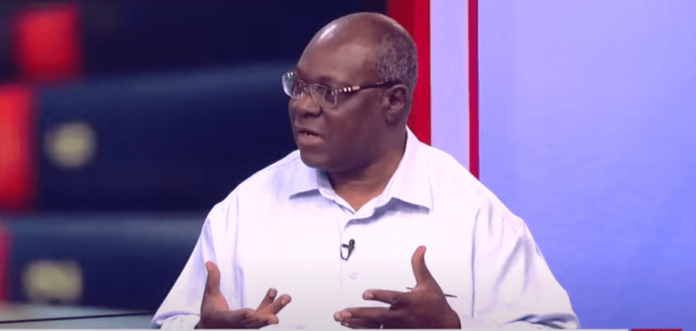
Speaking on Newsfile on Saturday during a discussion on the reported plea bargain involving Ashanti Regional NPP Chairman Bernard Antwi-Boasiako, popularly known as Chairman Wontumi, Dr. Kennedy defended the Attorney-General's decision to engage in plea negotiations but stressed that accountability must remain central to the criminal justice process.
"I think that those who say the Attorney General shouldn't, in effect, engage are wrong. There can always be negotiations and a plea deal, but I think that punishment is an important part of these things. It should not lead to a situation where people just return the money and go scot-free."
He argued that Ghana's justice system should apply the law equally, regardless of a person's social or political standing.
"A nation that deals fowl thieves and cassava thieves should not let big people go free when they commit crimes."
While acknowledging that plea bargains can reduce the cost and duration of criminal prosecutions, Dr. Kennedy maintained that they should not amount to immunity from punishment.
"So, yes, the negotiation can save us prosecution cost and defense attorney cost and all that kind of thing, but still punishment ought to be part of a plea deal."
Drawing comparisons with the United States, he explained that plea bargains typically result in reduced sentences rather than the complete avoidance of punishment.
"Here, a plea deal in the United States, for example, means that if this might have led to imprisonment for life, it may lead to, say, 10 or 15 years' imprisonment. In other words, you might get a lesser sentence when you do a plea deal, but it does not mean that if you clearly committed a crime, you can walk away scot-free."
Dr. Kennedy also cautioned against assuming guilt before the judicial process is concluded, reiterating the legal principle that every accused person is presumed innocent until proven guilty.
"So one should not presume anybody guilty. He's innocent until proven guilty. He should be able to engage, but I think that some kind of custodial sentence or criminal penalties must be on the table."
Latest Stories
-
Chief of Staff directs ecological restoration of reclaimed Kpeshie Lagoon
46 seconds -
Driver convicted over concrete spill on Madina-Adenta Highway
4 minutes -
Photos: Prospective homeowners turn up in numbers for final day of JoyNews–Republic Bank Habitat Fair
8 minutes -
Aggrieved teachers demand payment of unpaid four-year legacy arrears
41 minutes -
Skipping breakfast bad for your health?
54 minutes -
Kpeshie Lagoon reclamation linked to first-ever flooding at Tse Addo – ISD
1 hour -
GRA announces major policy proposal under Modified Taxation Scheme initiative
1 hour -
TCL sues Samsung for false advertising over ‘Mini LED’ televisions
1 hour -
US embassy child abuse images suspect flown from UK before police interview
2 hours -
Payment dispute led to murder of Dr Jesse Amuah and wife at Asylum Down – Court told
2 hours -
COPEC calls for GH¢1 petrol, continuation of GH¢2 diesel subsidy amid price surge
2 hours -
Petrol to sell at GH¢16.26, diesel GH¢19.07 from Wednesday – COPEC
2 hours -
Massive crowds flock to JoyNews–Republic Bank Habitat Fair on final day to explore mortgages and seek expert advice
2 hours -
Ghana’s Alice Banaaza spotlights fugu weaving at 2026 CHAN Festival in UK
3 hours -
Russia’s Youth Festival could unlock business partnerships and scholarships for Ghanaian youth – John Aggrey
3 hours