

Audio By Carbonatix
Researchers, government officials, development partners, and civil society organisations have called for stronger decentralisation, evidence-based policymaking, and greater collaboration to tackle the complex challenges facing rapidly growing African cities.
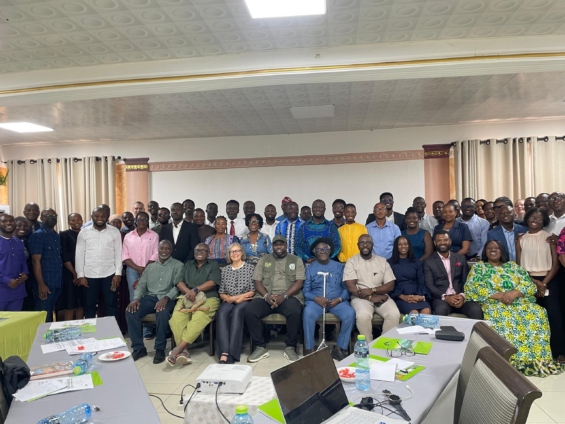
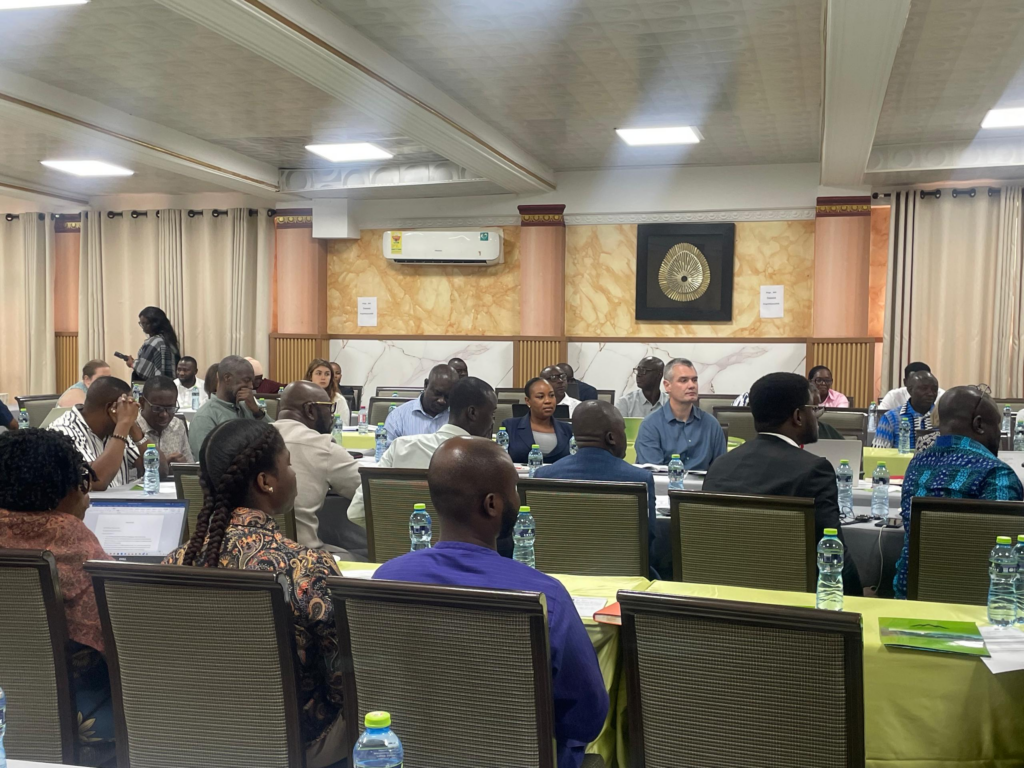
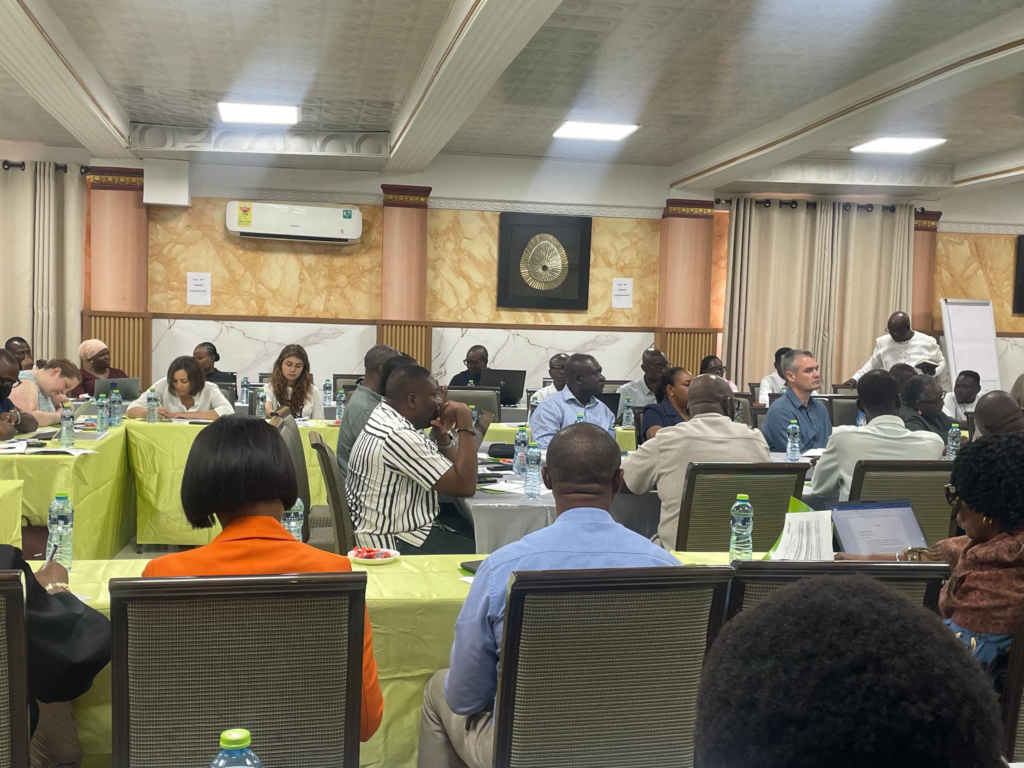
The call was made during a Cross-Project Learning Workshop organised by the African Cities Research Consortium (ACRC) at Ange Hill Hotel on Monday, June 15, in Accra, where participants explored how research, community engagement, and decentralisation reforms can help transform urban governance and improve the lives of residents.
The workshop brought together representatives from national government institutions, the Inter-Ministerial Coordinating Committee on Decentralisation (IMCC), the National Development Planning Commission, the Greater Accra Regional Coordinating Council, partner Municipal Assemblies, academics, researchers, development partners, and civil society organisations.
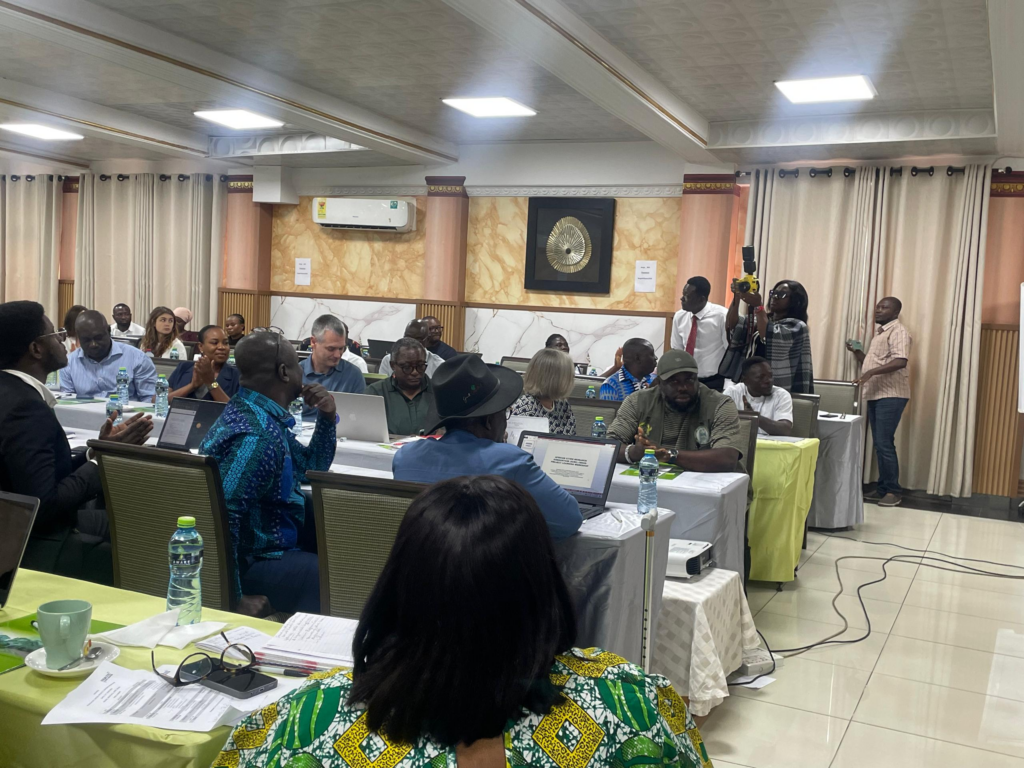
The event provided a platform for stakeholders to share experiences from ongoing action research projects while identifying practical solutions to improve service delivery, strengthen local governance and promote inclusive development across African cities.
Giving an overview of the African Cities Research Consortium, Diana Mitlin said the initiative was established by the UK's Foreign, Commonwealth and Development Office (FCDO) to develop new approaches to urban development that reduce poverty while promoting prosperity and addressing climate change.
"The Cities Research Consortium was tasked by FCDO to think about new modalities of programming in urban areas that achieve the goals of reducing poverty, enhancing prosperity, and being conscious of the climate emergency," she said.
She explained that while significant work had already been undertaken in urban development, the consortium sought to improve outcomes by understanding the political realities that shape cities and ensuring different urban systems work together.
"It was not a case of improving one system, such as water, and then finding you sabotage other systems because the drainage was not adequate," she said.
According to her, the consortium began its work in 2020 by studying 12 African cities before selecting five implementation cities, namely Accra, Harare, Kampala, Lagos and Nairobi, for action research projects.
She described community knowledge as one of the consortium's strongest assets, noting that residents possess valuable insights into their priorities and the obstacles they face.
"We are very conscious that most residents in African cities, and indeed in the world, muddle through. They put their lives together despite the considerable adversity they face. They do that individually, in their families and at the community level," she said.
She said that understanding community experiences remains central to designing effective urban policies.
Mitlin highlighted successful initiatives emerging from Accra, particularly projects in Old Fadama that convert waste into valuable products while creating economic opportunities.
She described the initiative as an example of innovation changing "the products, the materiality that people live with in the urban context."
Another project focuses on waste collectors, commonly known as "bola taxis", who transport refuse across communities.
She explained that the research is helping these mostly young workers organise themselves into stronger groups capable of working more effectively with local authorities.
"We have changes in products. We have changes in the agency and agencies. And finally, we have changes in relationships," she said.
Mitlin said that building stronger relationships between informal workers, community residents, and city authorities will be critical to the future development of African cities.
She recalled discussions with municipal officials on improving property valuation and revenue mobilisation, saying she was encouraged by the emphasis placed on expanding access to services alongside increasing local revenue.
"That really struck me because it was a recognition... about how changed relationships are going to be key to Accra and other African cities truly advancing and realising their full potential," she added.
Professor Kwamena Ahwoi, representing the Inter-Ministerial Coordinating Committee on Decentralisation (IMCC), traced Ghana's decentralisation journey from the introduction of the Local Government Law in 1988.
He explained that the legislation formalised commitments contained in what became popularly known as the "Blue Book" on district political authority and district-level elections.
"The document that was popularly referred to as a Blue Book... made a commitment to decentralisation which was converted into legislation which we called the Local Government Law 1988, PNDC Law 207," he said.
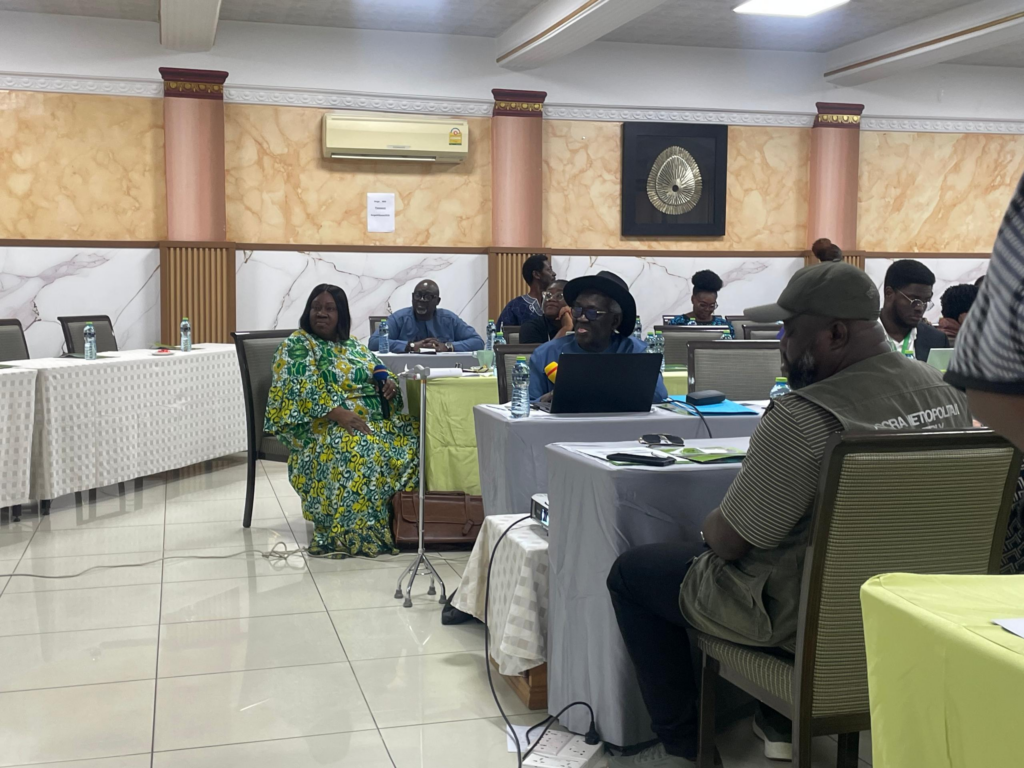
Professor Ahwoi outlined the various phases of decentralisation under successive governments and acknowledged that implementation challenges slowed progress over the years.
He said that major reforms gained momentum after the establishment of the Inter-Ministerial Coordinating Committee, which assumed responsibility for coordinating decentralisation efforts across government.
"If you see what we were not able to achieve in the first 16 years of decentralisation and what we were able to achieve within two years of the establishment of the IMCC, you will understand why the IMCC is important," he said.
He cited the establishment of decentralised departments under Local Government Instrument 1961 as one of the committee's early achievements.
Seasoned researcher and IMCC member Dr Esther Offei-Aboagye used the workshop to outline Ghana's new National Decentralisation Policy and Articulated Framework, which seeks to strengthen local governance and improve public service delivery.
She said that previous decentralisation policies expired in 2024, with many objectives remaining unmet because of fragmented mandates, financing constraints, limited institutional capacity and governance challenges.
"In 2025, when a new government came into place, the idea was to prioritise resetting, revitalising and strengthening decentralisation and local government," she said.
According to Dr Offei-Aboagye, the new policy is built around the theme "Resetting Democratic Decentralisation for Accountable Public Service Delivery and Accelerated Development."
She explained that the framework aims to empower communities and make local governments more accountable and responsive to citizens.
"The reason for decentralisation as we put in our Constitution is to allow citizens to own it, to inform it, to drive it and to influence it," she said.
The policy also places strong emphasis on transparency, accountability, innovation, technology, sustainability and ethical leadership.
Dr Offei-Aboagye said the new framework seeks to strengthen political, administrative and fiscal decentralisation while promoting local economic development and citizen participation.
She explained that district assemblies would be encouraged to work directly with communities and local entrepreneurs to identify economic opportunities rather than relying solely on top-down initiatives.
"This document comes at it from the bottom, that districts should be able to engage with their citizens, engage their stakeholders and entrepreneurs to formulate the economic reforms they want at the local level," she said.
The policy also identifies climate change, gender inclusion, disability, technology, safety, security and the government's proposed 24-hour economy as key cross-cutting priorities.
She stressed that local authorities will play a vital role in creating safe environments, providing infrastructure and supporting businesses operating beyond traditional working hours.
Dr Offei-Aboagye proposed stronger collaboration between the IMCC and the African Cities Research Consortium, arguing that combining governance authority with research expertise would lead to more effective policy implementation.
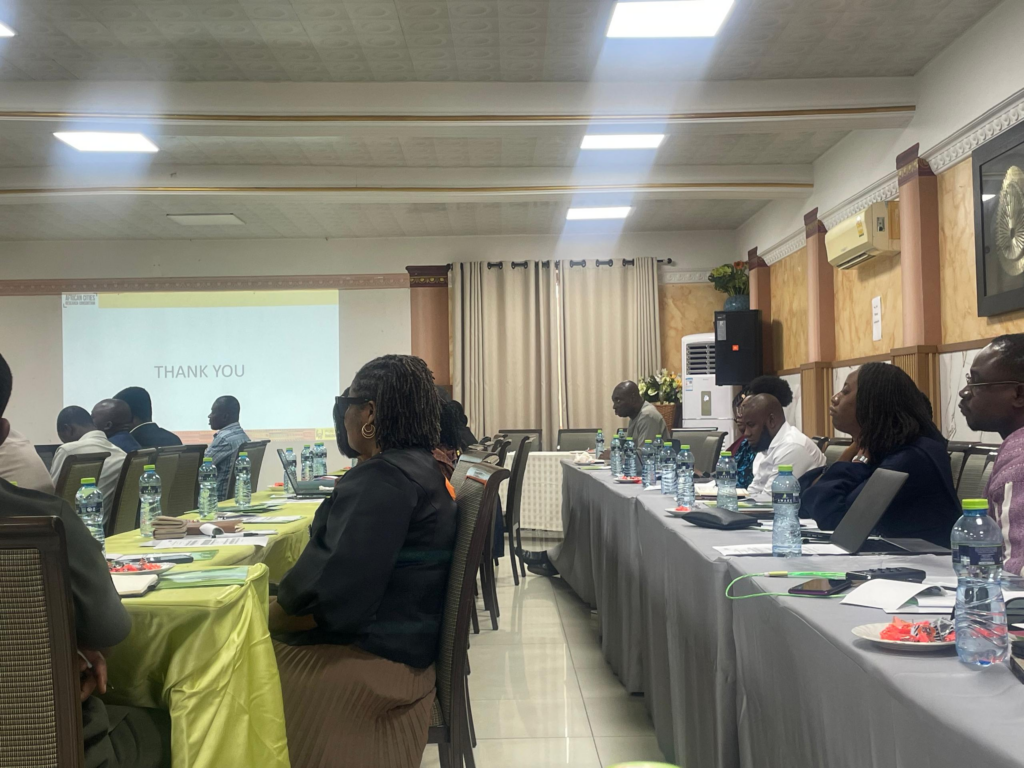
"The IMCC brings governance, coordination and implementation authority, while the ACRC brings research, comparative evidence and networks," she said.
She added that together both institutions could "co-create innovative evidence-driven approaches" to urban development, waste management and local economic growth.
She said lessons from action research projects in Accra and other African cities should inform national policymaking while helping local governments adopt practical, evidence-based solutions.
Participants also discussed joint policy workshops, learning exchanges and evidence sessions that would connect researchers, government institutions, civil society organisations and the private sector to strengthen decentralisation reforms.
Latest Stories
-
Freda Kingful Abraham Cudjoe: The visionary founder building a creative legacy through Impakers Creative Hub
27 seconds -
Tanker drivers suspend strike after BOST commits to fix Kumasi depot challenges
3 minutes -
Photos: Stonebwoy’s BHIM Festival at OVO Arena Wembley, London
12 minutes -
BoG identifies $4.8bn annual SME financing gap, pushes digital data-driven lending
26 minutes -
Labone bank robbery suspect remanded
30 minutes -
NTC launches 2026 Ghana Teacher Prize to celebrate outstanding educators
30 minutes -
Hanan Abdul-Hamid cannot be forced to face trial without lawyer — Dame
39 minutes -
MTTD to make Accra model city for safe riding – ACP Dr Samuel Sasu Mensah
39 minutes -
NPP Upper West eyes 2028 comeback; dismisses vote-buying allegations in regional executive elections
46 minutes -
Minaata Moomin defeats Nancy Dery in NPP Upper West Regional Women’s Organiser election
48 minutes -
Constituency Games will take Mahama’s ‘Reset Ghana sports agenda’ to every community – Samson Deen
48 minutes -
Russian Foreign Minister Lavrov praises Kwame Nkrumah’s legacy during meeting with Ablakwa
49 minutes -
Bleoo 2G alumni hand over Beatrice Lokko Memorial Eco Park
51 minutes -
‘I will not be available’ – Godfred Dame rejects vacation hearing in Hanan trial
53 minutes -
27-year-old spiritualist arrested over alleged attempt to use 11-year-old girl for ritual
1 hour