

Audio By Carbonatix
For residents of Gomoa Abrekum and neighbouring settlements in the Gomoa West District of Ghana’s Central Region, development is measured by the quality of basic services they encounter daily. From healthcare and education to roads, potable water, and agricultural support, community members continue to highlight critical issues that directly affect their daily lives and livelihoods.
Gomoa Abrekum offers a clear view into these local challenges, while raising broader questions about whether similar structural gaps exist across the wider district.
When a Classroom Doubles as a Health Facility
One of the most pressing issues in Gomoa Abrekum is the dual use of a local school building as a Community-Based Health Planning and Services (CHPS) compound. The current arrangement requires a structure designed for teaching pupils to simultaneously function as a primary healthcare site.
The overlap is direct: every Friday during operating hours, one particular teacher still uses the facility to conduct classes alongside ongoing health services. This setup creates significant functional compromises for both sides. While pupils require a quiet environment to concentrate, patients and health personnel need privacy, specialised equipment, and adequate clinical space.
An interview with the sole nurse on site highlighted several operational difficulties. The facility is small, lacks proper ventilation, and becomes uncomfortably hot during the day. Situated right inside the school compound, it is exposed to constant noise and frequent interruptions, especially during break periods when students gather nearby. Furthermore, members of the public frequently walk across the grounds, raising concerns about patient privacy and overall security.
Basic medical equipment and essential furniture are also severely lacking. At the time of the interview, the facility had only one patient bed. Nurses are forced to improvise using a few wooden benches and chairs, which must be constantly moved and cleared whenever a patient arrives to create space for clinical care.
Staffing logistics add another layer of strain. The nurse noted that daily commuting created a heavy financial burden, costing roughly GH¢150 in fuel every two days. To ease this pressure, the district director authorised staff to stay near the facility during the week and return home on weekends.
This situation underscores a fundamental question: Can a community receive adequate healthcare when its primary facility shares space with an active classroom while operating with minimal tools, furniture, and space?
Education Beyond Having a Classroom
The setup also reflects broader challenges within the local educational system. Residents have expressed concern over persistent shortages of textbooks, qualified teaching personnel, and modern ICT resources for young pupils.
Providing a physical room is only the first step in delivering proper education. Students need learning materials, dedicated instructors, and a quiet learning space. Using an active school structure for medical services puts further pressure on local infrastructure, raising doubts about whether both services can function effectively without disrupting one another. For children in rural areas, receiving a quality education should not be compromised by the need to accommodate other basic community services.
Road Infrastructure and Economic Access
Road network quality remains another top concern for the community. Gomoa Abrekum and its surrounding settlements rely heavily on farming, making functional roads essential for connecting producers to markets, schools, and medical care.
When roads deteriorate, transporting agricultural goods becomes difficult and costly. Produce takes longer to reach buyers, increasing transport fees and lowering profit margins. In rural settings, poor road infrastructure directly limits household income, restricts access to basic services, and hampers overall economic growth. Improving local road connections would streamline movement and allow farmers to trade more efficiently across regional markets.
Agriculture and Value Addition
Farming serves as the primary livelihood in Gomoa Abrekum, with residents producing crops such as tomatoes. However, harvesting produce is only one part of the value chain; farmers also need dependable market access, storage facilities, and processing infrastructure.
Perishable crops like tomatoes rot quickly if they cannot be sold or preserved immediately. Beyond increasing crop yields, there is a strong need for local value-addition initiatives—such as processing raw harvests into preserved goods. Establishing local processing options would reduce post-harvest losses, boost farmer revenues, and generate new jobs within the district.
Access to Potable Water
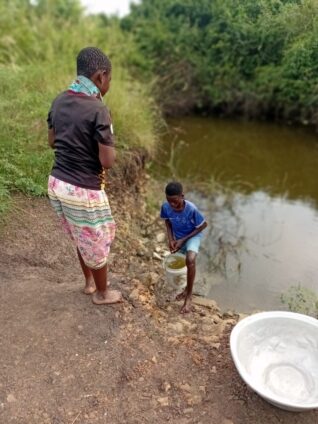
Securing a clean, reliable water supply remains an ongoing issue for residents. Access to safe water is vital for domestic use, school operations, medical care, and general hygiene.
Where dedicated water infrastructure is absent, community members are forced to spend extra time and effort sourcing water from alternative, often distant points. Investing in sustainable infrastructure, such as drilled boreholes, would relieve daily domestic burdens and improve overall living conditions across the community.
The Wider District Context
While Gomoa Abrekum serves as a central case study, these challenges point to broader needs across neighbouring settlements such as Gomoa Oguan, Sukrong, and Mankoadze.
These issues prompt essential field questions: Do neighbouring communities possess properly equipped health centres? Are their school facilities adequately resourced, their roads motorable, and their water supplies secure? Answering these questions requires ongoing field visits, community consultations, and direct feedback from district authorities.
Ensuring Accountability
Identifying these development gaps is not simply about levelling accusations at local government or elected representatives. A complete picture requires examining what resources have been allocated, which projects have been promised, and what work remains unfinished.
While residents have a right to voice their concerns, municipal assemblies, health directorates, and educational boards must also outline their official plans for addressing these needs. Real development is not measured by announcements, but by tangible improvements that residents can access in their daily lives.
Basic Sanitation Infrastructure
A final critical issue is the availability of hygienic public toilet facilities. Proper sanitation is a foundational component of public health. Where public facilities are missing or poorly maintained, communities face heightened health and environmental risks. Ensuring safe, functional public toilets must remain a core priority alongside health and education.
Ultimately, rural development issues are deeply connected. Defective roads impair market access, makeshift health facilities complicate patient care, limited school space hinders learning, and inadequate water or sanitation affects community health. For the people of Gomoa Abrekum and its surrounding communities, real progress relies on securing these essential basic services.
Latest Stories
-
Government launches rCOMSDEP to promote responsible mining in Western Region
43 minutes -
Foreign Affairs Ministry procures 20 pickups to improve passport services
48 minutes -
Oil prices retreat as investors weigh supply outlook, Middle East tensions
56 minutes -
Mahama Ayariga highlights Jimi reclamation project as effort to tackle flooding
1 hour -
Ayine pushes duty-lawyer scheme to protect suspects at police stations
1 hour -
Fire at GRIDCo’s Mallam Substation cuts power to parts of Accra
1 hour -
Stephen Amoah criticises 20% digital services tax as excessive
1 hour -
Ghana secures $3.5bn investment commitments to revive oil and gas sector – Jinapor
1 hour -
Court to hear Wontumi’s bail application today
1 hour -
DPC flags six companies for data protection breaches
1 hour -
Chief Justice appointment from outside Supreme Court possible but unlikely – Bentil
1 hour -
NEDCo replaces faulty transformer at Saasigli
2 hours -
Dr Seidu Jasaw urges climate financiers to align funding with farmers’ planting seasons
2 hours -
Bank of Ghana urges public to uphold dignity of local currency
2 hours -
Global Chairman of World Assemblies of God Fellowship lauds Mahama’s sterling leadership
2 hours