

Audio By Carbonatix
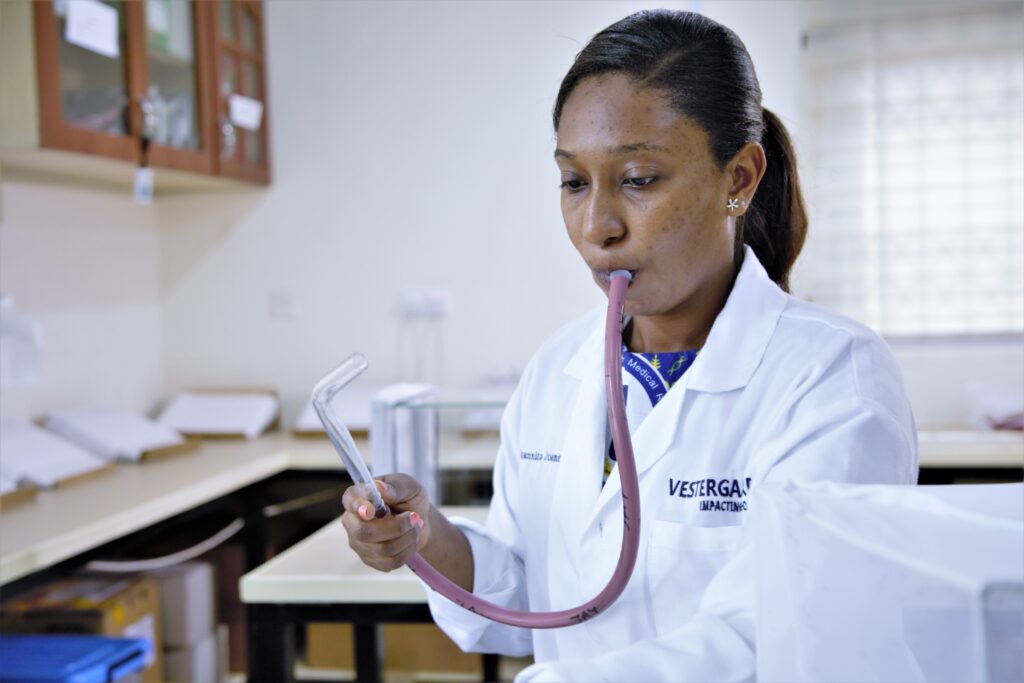
Every morning, I walk into a room full of mosquitoes. While most people spend their lives trying to avoid them, I spend my days raising, monitoring and studying them. It may sound unusual, but understanding mosquitoes helps to answer important questions about how well malaria prevention tools are performing.In 2024 alone, 282 million people were infected with malaria, and 610,000 died. 94percent of these cases and 95percent of deaths occurred in Africa, with three-quarters of all deaths among children under five. These numbers highlight why continued malaria prevention efforts matter. But we also know what works.
The Malaria Atlas Project has estimated that malaria control efforts have helped prevent more than 1.22 billion cases and 3.5 million deaths across Africa since 2000. Its analysis found that insecticide-treated nets (ITNs) were the biggest contributor to this progress, accounting for 72percent of the cases prevented. This is significant progress. Malaria prevention tools, including ITNs and other vector-control interventions, have helped protect millions of people. New tools, including dual-active ITNs and malaria vaccines, are further expanding the ways we can protect communities.
However, we cannot take their effectiveness for granted. ITNs only work if mosquitoes continue to respond to the insecticides used within them.
Mosquitoes evolve quickly. They develop resistance to insecticides and change their behaviour. These changes influence how well malaria prevention tools perform. Continued monitoring and research is essential to stay ahead of the mosquito, ensuring existing and next-generation ITNs perform as mosquito populations evolve.
What most people never see is the science that sits behind an ITN. Before a mosquito net reaches a family, it has undergone years of research, rigorous testing, and quality assurance.
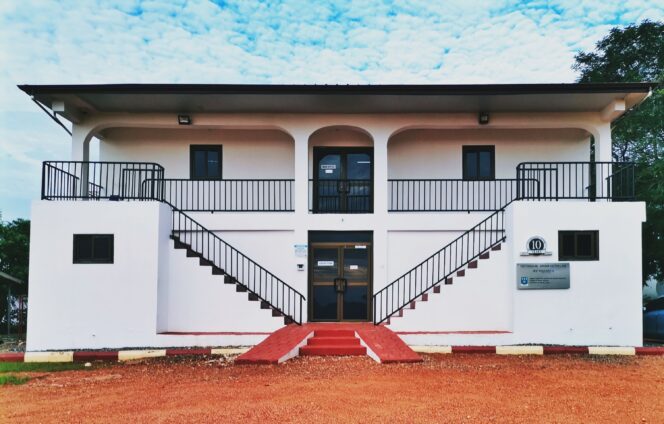
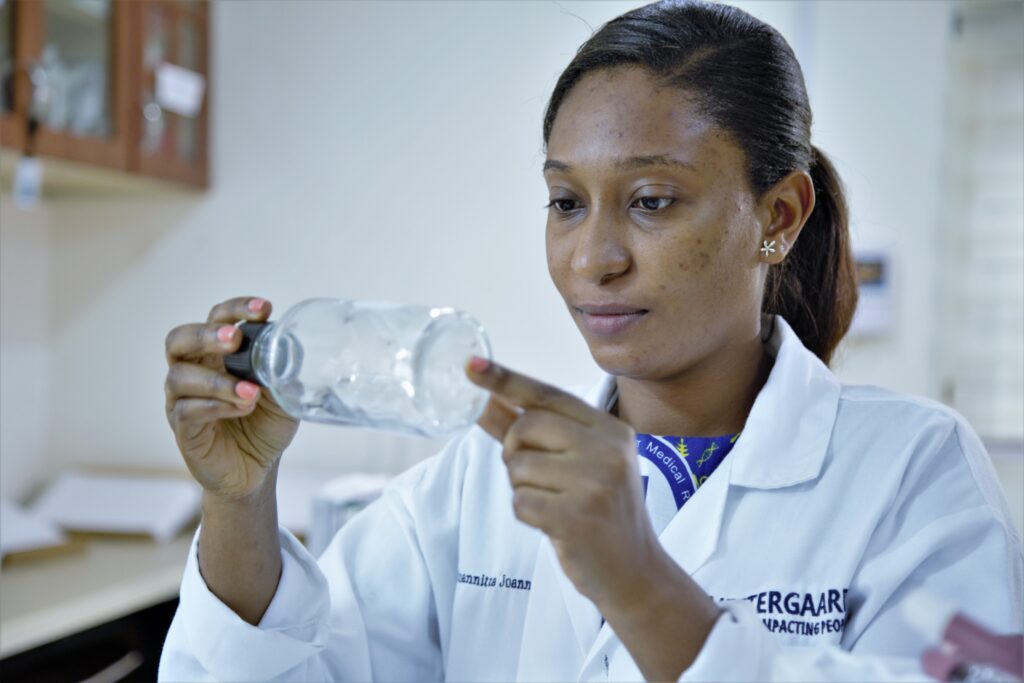
At the Vestergaard–Noguchi Vector Labs (VNVL) in Ghana, my colleagues and I work with mosquito populations with different insecticide-resistance characteristics. We maintain and carefully monitor the mosquito colonies and use them to conduct standardized laboratory testing of Vestergaard ITNs, including PermaNet Dual, a latest generation ITN. This work supports quality assurance and product development by generating reliable evidence on how our nets perform against the mosquito populations they are designed to target. Most of this work happens far from public view, yet it plays an important role in ensuring that our ITNs perform as expected.
This year we will mark 15 years of partnership between Vestergaard and the Noguchi Memorial Institute for Medical Research, that has helped to build and sustain technical capacity for high-quality entomological testing in Ghana. Alongside laboratory infrastructure, the collaboration has supported the development of specialized expertise in mosquito rearing, laboratory testing of ITNs and insecticide resistance monitoring.
Last year, this commitment was reinforced through a Memorandum of Understanding between Vestergaard, Noguchi Memorial Institute for Medical Research and the Ghana National Malaria Elimination Program, further strengthening public-private partnerships towards Ghana’s Malaria elimination target.
Every mosquito we study and every net we evaluate serves a purpose beyond the laboratory: helping ensure that the products people rely on continue to perform as intended. On World Mosquito Day, I am reminded that the fight against malaria is an all-hands-on-deck situation, and my hands are contributing. Yet more is required, for it is not only about the tools we use, but also protecting people from a disease that synchronizes well in evolution and continues to threaten millions of lives. The better we understand the mosquito and how it changes, the more equipped we are to protect the communities most at risk.
Latest Stories
-
NSMQ 2026: St. Hubert Sem edge Bright SHS in three-point thriller to book one-eighth spot
10 minutes -
Association of Medical Councils of Africa to host 28th annual conference at Mövenpick Ambassador Hotel
16 minutes -
ECG’s GH¢200m upgrade spending must translate into reliable power – IES
16 minutes -
Ablekuma North MP supports 500 SHS freshmen with back-to-school items
17 minutes -
Dentsu School of Influence opens Ghana applications for aspiring content creators
18 minutes -
Demystifying Mathematics: Building confidence in young learners
18 minutes -
Journalists must strengthen credibility in digital era – Kwesi Pratt urges
20 minutes -
Benjamin ‘Clean Sheet’ Asare wins GPL Player of the Year, bags $38,000 vehicle from JAC Motors
25 minutes -
‘We need to investigate the ‘system’—IES calls for probe into recent blackouts
26 minutes -
AMCOA conference in Accra to tackle health worker migration, patient safety
30 minutes -
NCA Director-General urges journalists to protect public trust in digital era
30 minutes -
NSMQ 2026: Accra Girls make flying start, cruise past Asamankese, Sandema to book one-eighth spot
32 minutes -
Schools as sanctuary
33 minutes -
Bilingual and Multilingual Education: Harnessing linguistic diversity for better learning
34 minutes -
2026 Joy Sports Invitational Tournament: The Luckiest confirmed as headline sponsors
36 minutes