

Audio By Carbonatix
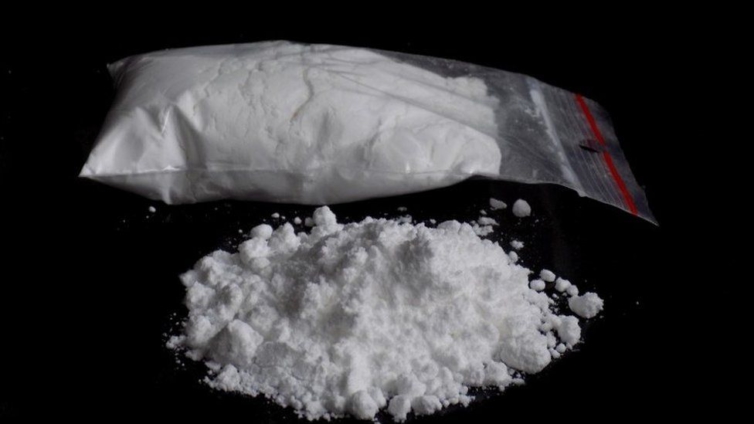
Threats against journalists have contributed to reduced media coverage of organised crime, particularly the cocaine trade, in Ghana, according to the Global Organised Crime Index.
In its assessment of civil society and social protection in Ghana, the report raises concerns about the risks faced by journalists investigating sensitive subjects, including drug trafficking, political vigilantism and corruption.
“Media coverage of organized crime, particularly the cocaine trade, has been more limited in recent years, reportedly because of threats made to journalists for writing about topics deemed to be sensitive,” the report states.
The assessment suggests that intimidation is affecting scrutiny of organised crime, despite Ghana’s guarantees of media pluralism and independence.
It notes that some journalists pursuing sensitive investigations have faced severe violence.
“A small number of journalists attempting to report on sensitive topics such as drugs, political vigilantism and corruption, have been violently targeted and even killed, but most are able to carry out their work without this extreme level of risk,” it says.
The report also identifies concerns about the legal environment within which journalists operate.
“Although Ghana guarantees media pluralism and independence, concerns persist regarding the harassment and intimidation of journalists facilitated by a restrictive legal framework.”
The excerpt does not identify the journalists affected, specify the threats linked to cocaine reporting or name the legal provisions underpinning its concerns.
Beyond press freedom, the assessment describes Ghana’s civil society sector as active, although organisations face criticism and pressure from the government, particularly over drug rehabilitation and treatment.
“Ghana's civil society sector is active and engaged on various issues, despite facing criticism and pressure from the government, notably in drug rehabilitation and treatment,” the report states.
It also highlights shortcomings in victim and witness support, including inadequate assistance for drug users and a shortage of shelters for victims of other crimes.
According to the assessment, much of the rehabilitation support available relies on private institutions, often funded by religious organisations, raising questions about the impartiality, independence and professionalism of support systems.
The report nevertheless acknowledges interventions to improve assistance for trafficking victims, including expanded trauma care, a multilingual reporting hotline and mobile application, and labour inspections to remove children from exploitative work.
It further notes that civil society organisations have undertaken awareness campaigns against counterfeit products and illegal pesticides and fertilisers, while resource constraints continue to limit government agencies’ capacity to implement crime prevention policies.
Full Report Below.
Latest Stories
-
Yaw Ampofo Ankrah suspended as NSA Director-General amid World Cup visa controversy
4 minutes -
Yaw Ampofo Ankrah sacked as NSA Director-General
9 minutes -
SSNIT increases stake in Societe Generale Ghana to 24.36%
19 minutes -
Africa cannot rely on government budgets alone to finance climate ambitions – Deputy Finance Minister
40 minutes -
COMAC gives Finance Ministry 14 days to suspend implementation of Section 136 of Customs Act
40 minutes -
WhatsApp introduces optional parental controls for teenagers
42 minutes -
Afoko could help Bawumia pursue ‘clean break’ ahead of 2028 – Dr Amakye-Boateng
44 minutes -
Global Capacity Hub conference connects Ghanaian businesses to technology, investment opportunities in London
51 minutes -
Overcharge passengers and face sanctions, GPRTU warns drivers
54 minutes -
Government seeks $165m to complete operational phase of Boankra Integrated Logistics Terminal
1 hour -
‘Show us the evidence’ – Upper West teachers demand proof of arrears payments
1 hour -
GH¢1 D-Levy suspension will offer relief to fuel consumers – COPEC
1 hour -
Youth Olympic Games in Africa: policy, regulation, and perspectives on shaping youth lives
1 hour -
Contractors move to site for construction of 120-bed trauma hospital in Bole – Kwakye Ofosu
1 hour -
Poor institutional leadership hindering Ghana’s creative industry – Oscar Provencal
2 hours