

Audio By Carbonatix
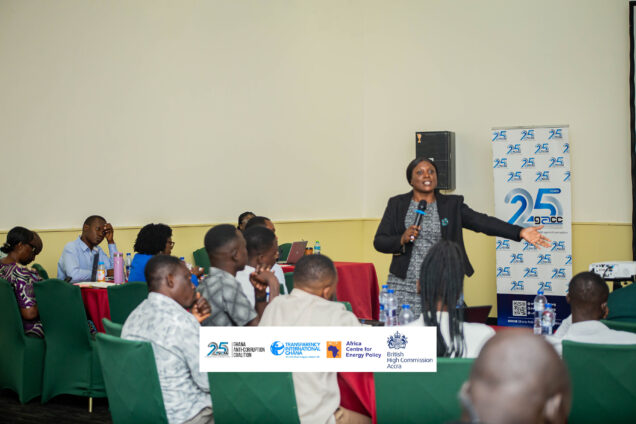
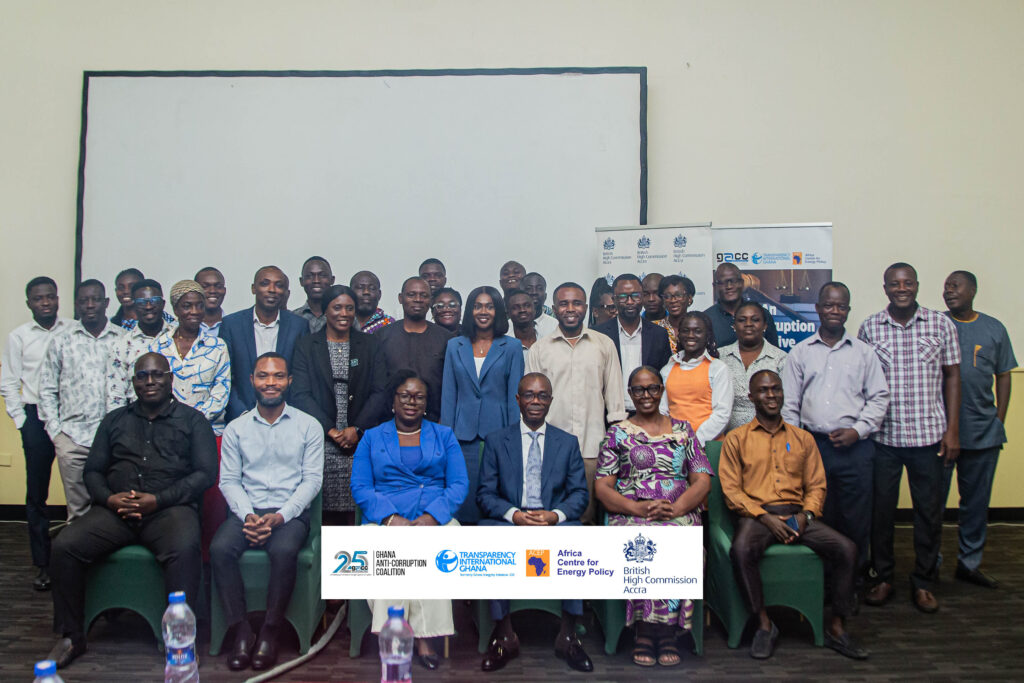
The Ghana Anti-Corruption Coalition (GACC) has trained journalists on the Auditor-General’s Performance Audit Report on the operations of the National Petroleum Authority (NPA), with a focus on strengthening media reporting on accountability, regulation and value for money in the downstream petroleum sector.
The training, held in Accra on Monday, September 28, 2026, was organised by the GACC in partnership with the Africa Centre for Energy Policy (ACEP) and Transparency International-Ghana (TI-Ghana), with support from the Foreign, Commonwealth and Development Office (FCDO).
The engagement was aimed at enhancing journalists’ understanding of the NPA Performance Audit Report and strengthening their capacity to report on its findings and follow up on the implementation of recommendations.
Speaking at the training, the Deputy Director-General in charge of the Performance and Special Audit Department of the Ghana Audit Service, Mr Samuel Frimpong-Manso, said the initiative was an important effort to examine the operations of the NPA and its role in regulating the downstream petroleum sector.
He said the GACC, in collaboration with ACEP and Transparency International-Ghana, with support from the FCDO, had supported the Ghana Audit Service in undertaking the performance audit.
Mr Frimpong-Manso said the importance of petroleum products to Ghana’s economy could not be overstated, noting their role in transportation, power generation, domestic and industrial use, as well as fishing.
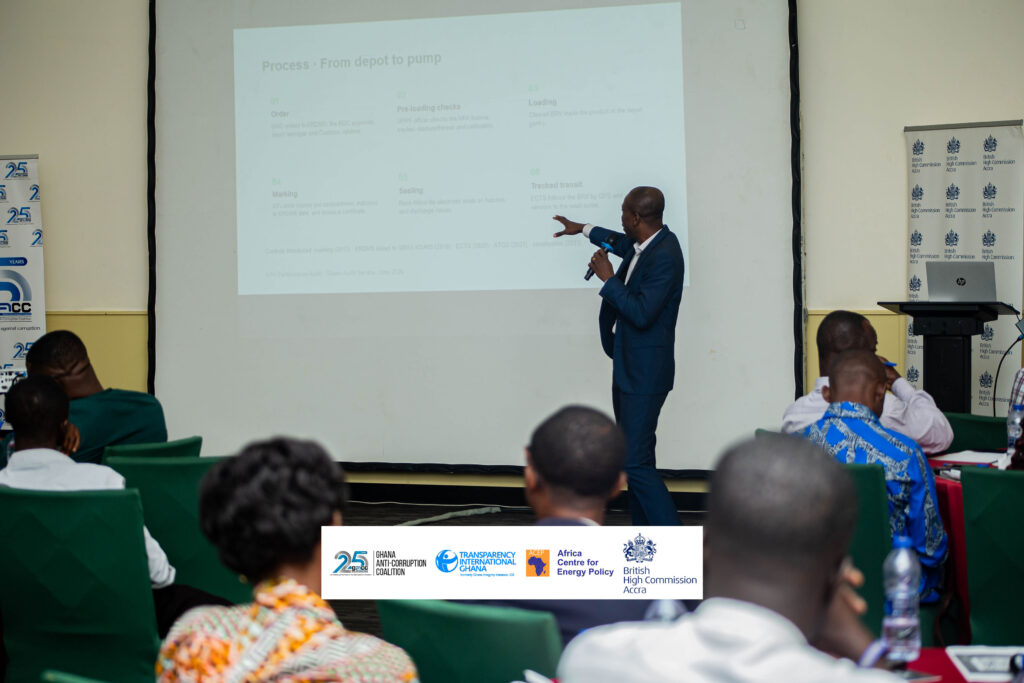
He said this made the NPA’s responsibility to regulate the downstream petroleum sector effectively and economically particularly important.
“The NPA's responsibility to regulate the downstream petroleum sector effectively and economically is important,” he said.
According to him, the Authority’s mandate includes licensing, monitoring and enforcing official standards among petroleum service providers, while ensuring consumer protection, accountability, product quality and safety.
“Consequently, the NPA's responsibility to regulate the downstream petroleum sector effectively and economically… includes licensing, monitoring and enforcing official standards among petroleum service providers, while ensuring consumer protection, relevant accountability and product quality and safety,” he said.
Mr Frimpong-Manso explained that the performance audit was undertaken to assess whether the NPA’s operations were aligned with its legal mandate and regulatory responsibilities.
“This performance audit is therefore primary, as it assesses whether the NPA's operations align with its legal mandate and regime,” he said.
He said the engagement with journalists was particularly significant because it provided an opportunity for the Ghana Audit Service and its partners to share the audit findings with stakeholders, especially the media.
“The media play a crucial role in promoting transparency and accountability,” Mr Frimpong-Manso said.
He therefore urged journalists to study the report thoroughly after the training to ensure that their subsequent reporting was accurate and informed.
“I will study the report thoroughly after this session to ensure accurate and informed reporting,” he said.
He also encouraged participants to pay close attention to the presentations and discussions during the training, noting that the knowledge gained would help them interpret and communicate the audit findings effectively.
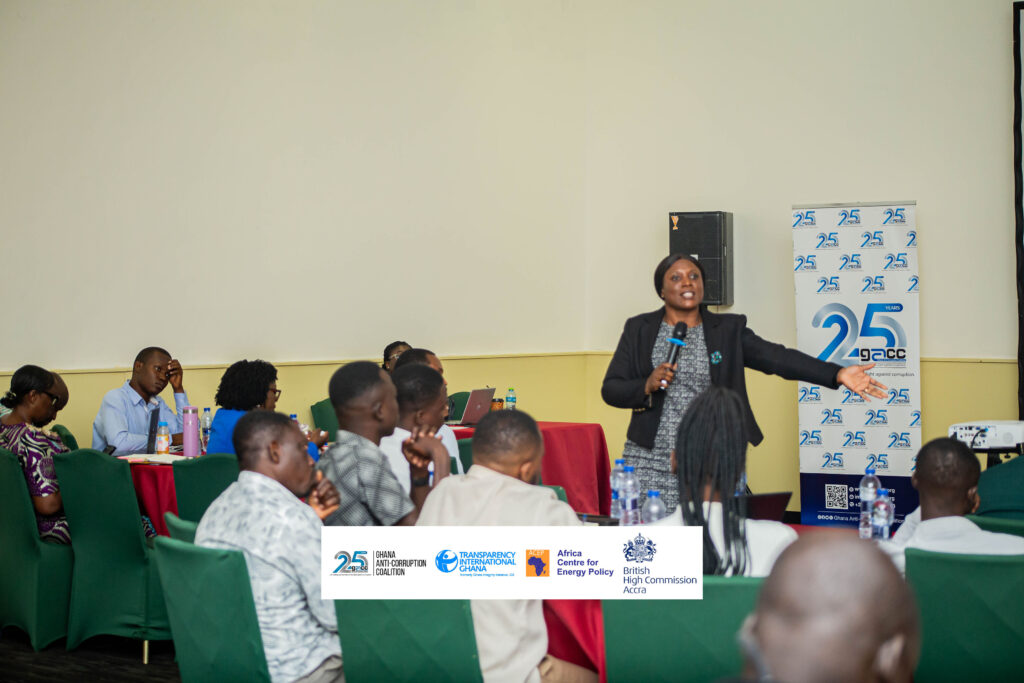
Mr Frimpong-Manso said he expected the engagement to deepen journalists’ understanding of the audit results and contribute to discussions on strengthening regulation, accountability, efficiency and value for money.
The programme featured a presentation on “Understanding the Performance Audit Report on the Operations of the NPA”, followed by a deeper examination of key audit findings by the Ghana Audit Service.
Participants also took part in an open forum for questions, clarifications and discussions on the audit report.
As part of the practical session, journalists worked in groups to develop story ideas from selected findings in the NPA audit report.
ACEP’s Policy Lead for Petroleum and Conventional Energy, Mr Kodzo Yaotse, also made a presentation on the NPA audit report, after which participants presented their group work and received feedback.
The training ended with a post-evaluation and closing remarks by the GACC.
The initiative forms part of a project titled “An Anti-Corruption Initiative for Enhancing Governance and Accountability”, which seeks to build partnerships in the fight against corruption.
Mr Frimpong-Manso expressed the hope that the engagement would contribute to more informed reporting on the NPA audit and broader public discussions on accountability and the effective use of public resources.
Latest Stories
-
NPP NEC election: John Boadu, JFK, Titus-Glover and Hawa Koomson in strong lead, according to latest national outlook survey
3 minutes -
TRAFFITECH-GH full implementation rescheduled to November 1
4 minutes -
‘Insults must not replace arguments’ – Bagbin cautions political actors against language that could undermine democracy
7 minutes -
Minority demands full data on Ghana narcotics seizures, arrests and prosecutions since 202
11 minutes -
Man City found guilty of all charges of financial rule breaches, Premier League confirms
29 minutes -
Jeffrey Nortey wins Screen Icon of the Year again at Ghana Entertainment Awards USA
31 minutes -
Man Utd do not deserve Man City titles – Rooney
32 minutes -
Birifoh outdoors new chief: Naa Victor Gandaa V outlines vision for security, education and tourism
33 minutes -
DreamOval Foundation appoints five-member board to drive digital education and youth empowerment
47 minutes -
Accounting for public funds is not enough to prove performance – Ghana Audit Service
47 minutes -
GACC trains journalists on Auditor-General’s NPA Performance Audit Report
47 minutes -
Freedom of expression doesn’t require degradation of public discourse – Bagbin
50 minutes -
NADMO begins relief distribution to over 4,000 households affected by Hohoe floods
1 hour -
Road Minister tasks Arab Contractors to expedite Kumasi Outer Ring Road
1 hour -
Media must strengthen fact-checking to fight information disorder – President’s Legal Advisor
1 hour