

Audio By Carbonatix
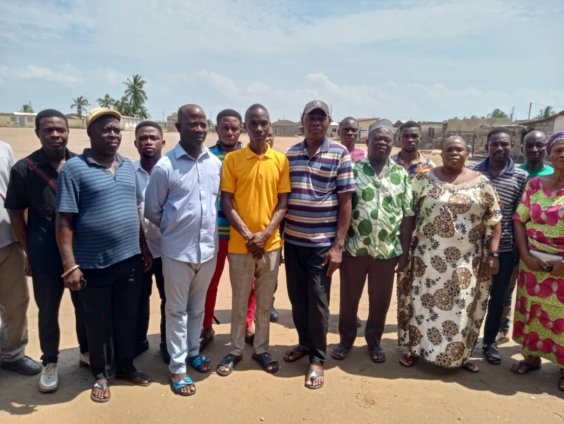
The AbibiNsroma Foundation, in collaboration with the FIDEP Foundation, has conducted a community mobilization activity in Keta-Vodza, bringing together a diverse group of 22 representatives from various coastal community groups.
This initiative aimed to foster a progressive, rights-based approach to energy transition and address the potential impacts of the Keta Delta Oil Block.
The event saw the participation of traditional authorities, fishermen associations, women’s groups, and youth organizations, all united in their commitment to advocate for systemic change.
The attendees were drawn from the communities of Vodza, Kedzi Horvedzi, Kedzi Xorvi, Kedzi Harvedzi, Woe, Afidenyibga, and Anlo-Afidenyibga, ensuring a comprehensive representation of the region's populace.
Central to the discussions was the need for a sustainable and inclusive energy transition that considers the rights and livelihoods of local communities. Participants engaged in in-depth deliberations on the potential environmental and socio-economic impacts of the Keta Delta Oil Block, emphasizing the importance of community involvement in decision-making processes.

Moreover, discussions highlighted international frameworks such as the UN Free, Prior, and Informed Consent (FPIC) Convention, which underscores the rights of indigenous peoples and local communities to give or withhold consent to projects affecting their lands and resources. Participants explored how FPIC principles could strengthen local governance and ensure that community voices are central in energy development initiatives.
Additionally, the MARPOL (International Convention for the Prevention of Pollution from Ships) and the OSPAR Convention were examined in relation to marine pollution prevention and management.
Coastal community representatives expressed concerns over potential marine environmental impacts from oil exploration and underscored the need for stringent environmental regulations and monitoring frameworks aligned with international standards.
In addition to debating the challenges and opportunities presented by energy transition, the forum aimed to establish an active coalition. This coalition will work to demand systemic changes that prioritize environmental sustainability and social justice.
Following extensive deliberations, the participants drafted a joint communique outlining five key demands:
- Full Implementation of FPIC: Demand that all energy projects, including the Keta Delta Oil Block, adhere to the principles of Free, Prior, and Informed Consent as outlined in the UN FPIC Convention. Local communities must have the right to meaningful consultation and decision-making regarding projects affecting their lands and resources.
- Comprehensive Environmental Impact Assessment (EIA): Call for a rigorous and transparent EIA process for the Keta Delta Oil Block and other energy projects. The assessment should include cumulative impacts on biodiversity, marine ecosystems, and local livelihoods.
- Enhanced Environmental Regulations: Urge for strengthened regulations and enforcement mechanisms, aligned with international standards such as MARPOL and OSPAR, to prevent and mitigate environmental pollution from energy activities, particularly in marine ecosystems.
- Capacity Building and Empowerment: Request support for capacity-building programs that empower local communities, particularly women and youth, to actively participate in decision-making processes related to energy development and environmental management.
These demands reflect the collective aspirations of the coastal communities in Keta-Vodza to safeguard their environment, uphold their rights, and promote sustainable development in the face of energy transition challenges.
The AbibiNsroma Foundation and the FIDEP Foundation's collaboration underscores a commitment to empowering coastal communities in Keta-Vodza. By fostering collaboration and collective action, the foundations aim to ensure that energy policies and projects are aligned with the needs and rights of the people most affected.
As the coalition forms and plans its next steps, the foundations and community members remain committed to ongoing dialogue and advocacy, striving for a future where energy transition leads to sustainable development and improved livelihoods for all.
Latest Stories
-
Nana B passport claims a diversionary tactic — Abu Jinapor
25 minutes -
Pope Leo diagnosed with cancer as doctors remove lobe of lung, Vatican says
25 minutes -
Legal Aid Commission takes free legal services to Techiman main lorry terminal
30 minutes -
Nana B denies seeking passport favour, accuses Ablakwa of failing to account for GH¢16.4m
35 minutes -
Young girls demand climate action, stronger protection against child marriage
46 minutes -
Ex-gang boss sentenced to 40 years for orchestrating Tupac Shakur’s murder
47 minutes -
From near-deferral to three awards: UMaT graduate’s academic journey
49 minutes -
Atta Akyea denies seeking presidential pardon for Wontumi in galamsey case
1 hour -
Photos: Mahama commissions 85-bed Police Hospital ward, donates two ambulances
2 hours -
GTEC directs Ghana’s public universities to reopen by October 16 and begin lectures on October 19
2 hours -
Star Oil donates GH¢1million towards construction of new CID facility
2 hours -
Court hands Adjetey Sowah, two others lifetime bans after Amputee Football legal dispute
2 hours -
NDC appoints Julius Kwame Anthony as a Deputy Communications Director
2 hours -
Ghana repatriates 120 Nigerians rescued from suspected cybercrime centres
2 hours -
NPP rejects Emelia Agbenyo’s appointment as Deputy EC Chair, demands withdrawal
2 hours