

Audio By Carbonatix
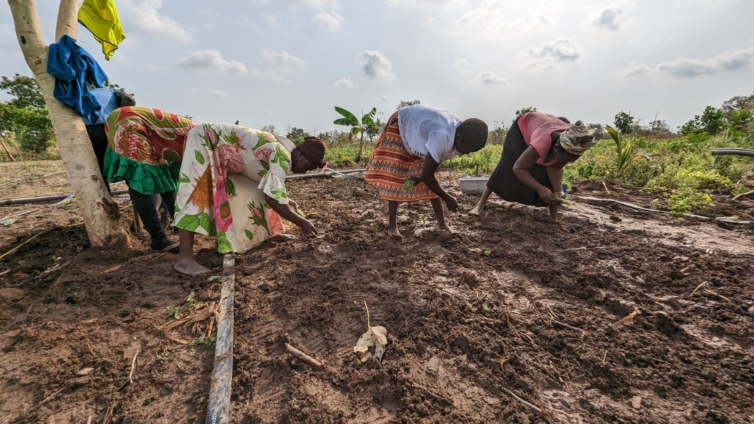
A new report by the Food and Agriculture Organization of the United Nations (FAO) has revealed that, addressing gender inequities in agrifood systems and empowering women will reduce hunger, enhance the economy, and strengthen resilience to shocks such as climate change and the COVID-19 pandemic.
“Closing the gender gap in farm productivity and the wage gap in agrifood systems would increase global gross domestic product by one percent (or nearly USD 1 trillion). This would reduce global food insecurity by about two percentage points, reducing the number of food-insecure people by 45 million,” it said.
It also says that the benefits of projects that empower women outweigh those that just mainstream gender, adding that gender is already mainstreamed in more than half of bilateral agriculture and rural development finance, but only 6% regard gender as crucial.
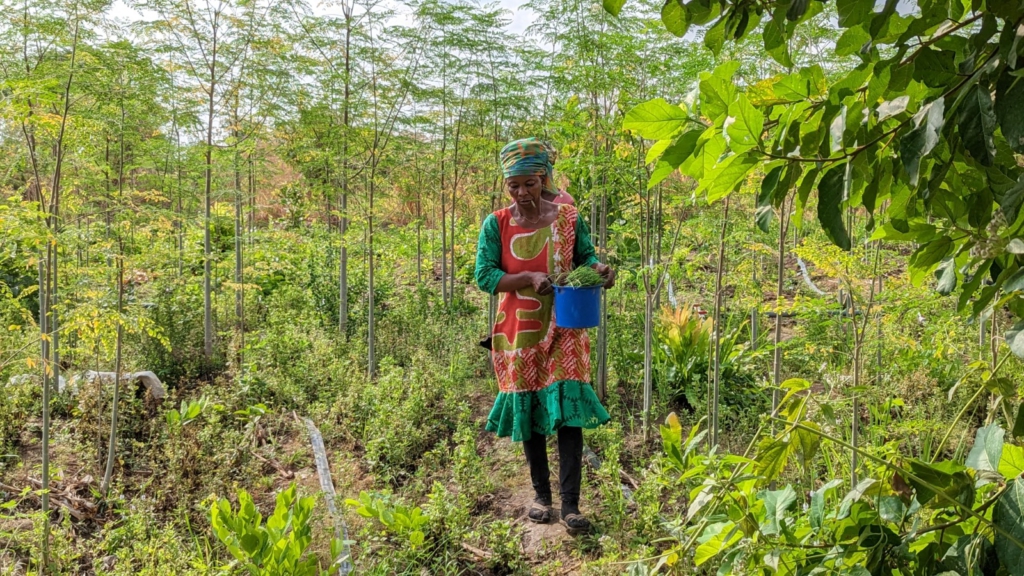
It further indicates that, if half of small-scale producers benefited from development initiatives aimed at empowering women, the earnings of an extra 58 million people would rise significantly, as would the resilience of an additional 235 million people.
The first report of its kind since 2010, the status of women in agrifood systems, goes beyond agriculture to present a complete picture of the condition of women working across agrifood systems, from production to distribution and consumption.
According to the research, 36% of working women and 38% of working men are employed in agrifood systems globally. Women's roles, on the other hand, are marginalised, and their working conditions are likely to be worse than men's - irregular, informal, part-time, low-skilled, or labor-intensive. Similarly, women in agricultural wage work get 82 cents for every dollar earned by men.
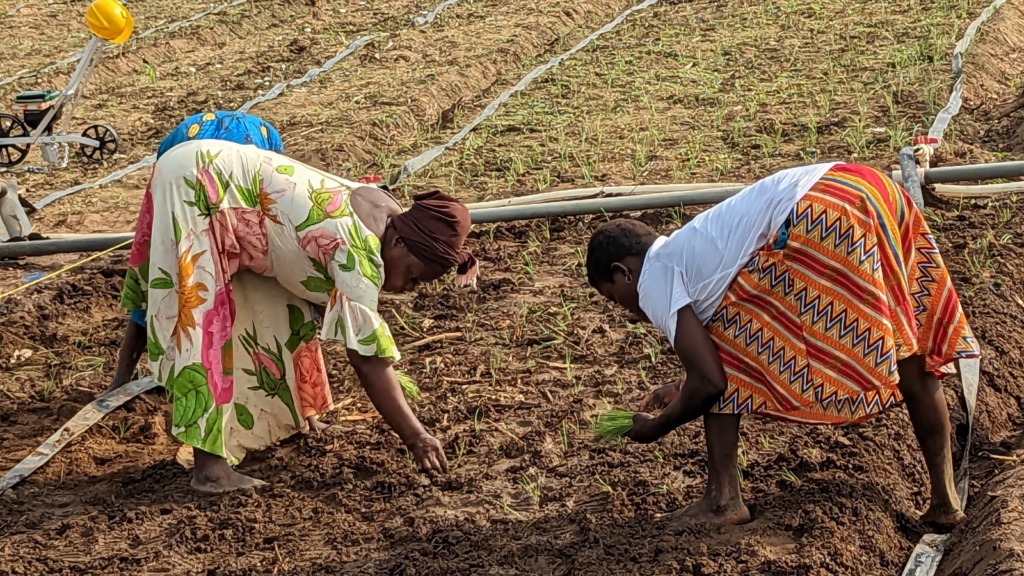
The report says that, women have less secure ownership over land, less access to loans and training, and must work with technology created for men. These inequities, combined with prejudice, resulting in a 24% gender disparity in production between women and men farmers on farms of the same size.
“Notably, the study underscores that agrifood systems are a more important source of livelihood for women than for men in many countries. For instance, in sub-Saharan Africa 66 per cent of women’s employment is in the sector, compared with 60 per cent of men. In southern Asia, women overwhelmingly work in agrifood systems (71 per cent of women, versus 47 per cent of men), although fewer women than men are in the labour force,” the report said.
According to FAO Director-General QU Dongyu, if the world addresses the gender inequities prevalent in agrifood systems and empowers women, the world will make significant progress toward the goals of ending poverty and establishing a world free of hunger.
“If we tackle the gender inequalities endemic in agrifood systems and empower women, the world will take a leap forward in addressing the goals of ending poverty and creating a world free from hunger”, says FAO Director-General QU Dongyu in the foreword of the report.
The report also indicates that, when economies shrink, women's jobs are the first to go, with 22% of women in the 'off-farm' segments of agrifood systems losing their jobs in the first year of the COVID-19 pandemic, compared to 2% of men.
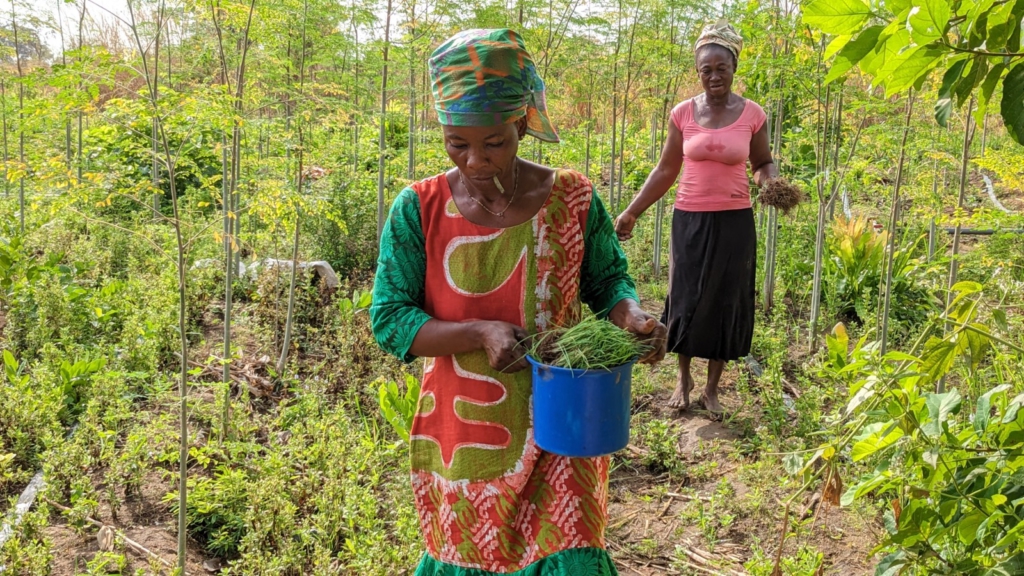
It further states that during the pandemic, women's food insecurity increased faster, and they had to take on greater care responsibilities, which often resulted in girls missing more school than boys.
The study also reveals that women are more exposed to climate shocks and natural catastrophes since resource restrictions and discriminatory gender norms make adaptation more difficult. For example, with climate shocks such as heat stress, women's labor burdens, including hours worked in agriculture, tend to fall less than men's.
The report concludes that minimizing gender disparities in livelihoods, boosting access to resources, and encouraging resilience are key steps toward gender equality, women's empowerment, and more just and sustainable agrifood systems.
This includes bridging access gaps to assets, technology, and resources. The study found that measures that address care and unpaid domestic work responsibilities, provide education and training, and promote land-tenure security are effective in increasing women's production.
Access to childcare has also been demonstrated to have a significant positive impact on mothers' employment, while social protection programs have been shown to boost women's employment and resilience.
Latest Stories
-
A source of excellence across generations – Vice President Opoku-Agyemang lauds Mfantsipim
56 minutes -
(Photos) Mfantsipim School launches historic 150th anniversary
1 hour -
Knights and Ladies of Marshall group backs Catholic Bishops’ stance on anti-LGBTQ+
2 hours -
Bright Simons writes: All the Filla in the Ibrahim Mahama/E&P – Gold Fields Saga
3 hours -
Monetise Idiocy In Ghana
3 hours -
The Ghanaian prophet and the mysterious death of his scottish wife Charmain Speirs
4 hours -
Nearly 400 sentenced in Nigeria for links to militant Islamists
4 hours -
Ghana’s recovery supported by gold strength despite global oil price pressures – Standard Bank Research
4 hours -
Methodist Church hails Mfantsipim@150; calls for “fresh consecration” to excellence
4 hours -
‘Excellence is our inheritance’ – Nana Sam Brew-Butler hails Mfantsipim’s 150-year reign in leadership
4 hours -
Kwaku Azar writes: A-G vs OSP
5 hours -
Mfantsipim–Adisadel rivalry built excellence, not division – Sam Jonah
5 hours -
Vice President launches Mfantsipim’s 150 years of shaping Ghana’s greatest mind
5 hours -
I assure Otumfuo, Mahama will join him to commission KNUST Teaching Hospital by end of this year – Haruna Iddrisu
6 hours -
Barcelona dominate derby to extend La Liga lead
6 hours