

Audio By Carbonatix
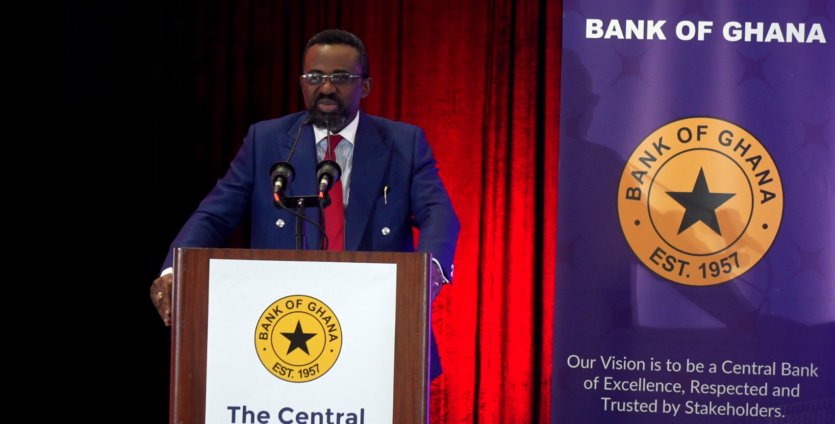
Bank of Ghana (BoG) Governor, Dr Johnson Asiama, has outlined an ambitious strategy to transform remittance inflows into a major source of investment capital and foreign exchange for Ghana.
According to him, the central bank is collaborating with key ministries and government agencies to shift remittances from largely consumption-driven transfers to structured, investment-oriented flows that can support long-term economic growth.

“Unlocking this full potential requires a deliberate transition—from consumption-driven remittances to investment-oriented diaspora capital flows,” he stated.
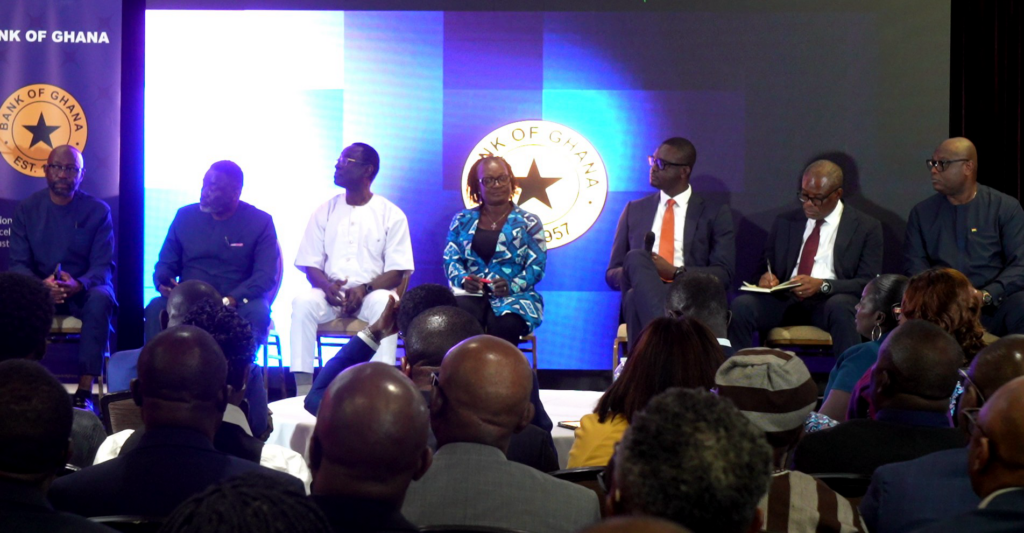
Dr Asiama made these remarks at the maiden edition of the Bank of Ghana’s Diaspora Roundtable Programme, dubbed “Remit2Invest,” held in Virginia, USA.
Driving a New Diaspora Investment Agenda
The roundtable forms part of the Bank of Ghana’s broader efforts to coordinate with government institutions to convert remittance inflows into sustainable investment for national development.
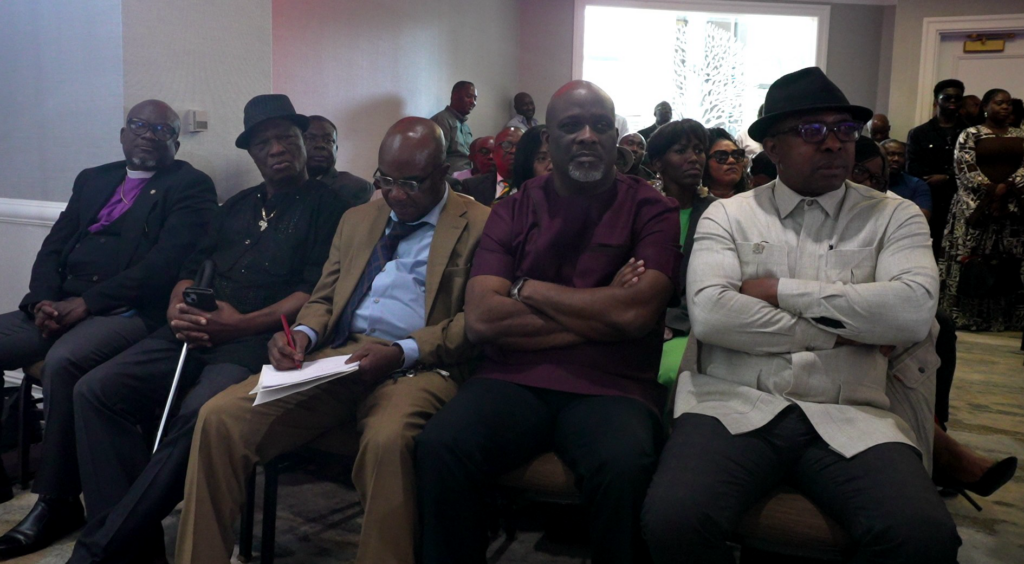
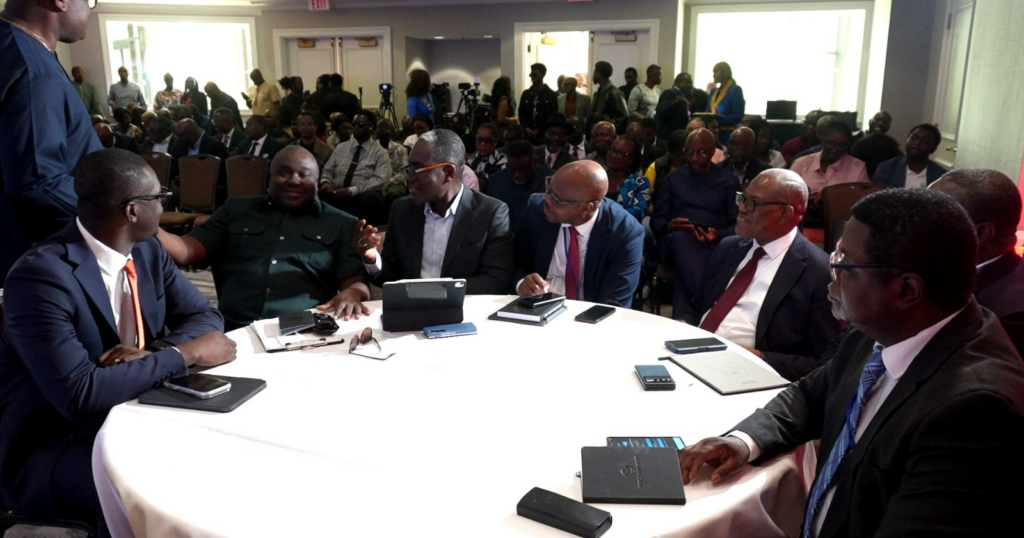
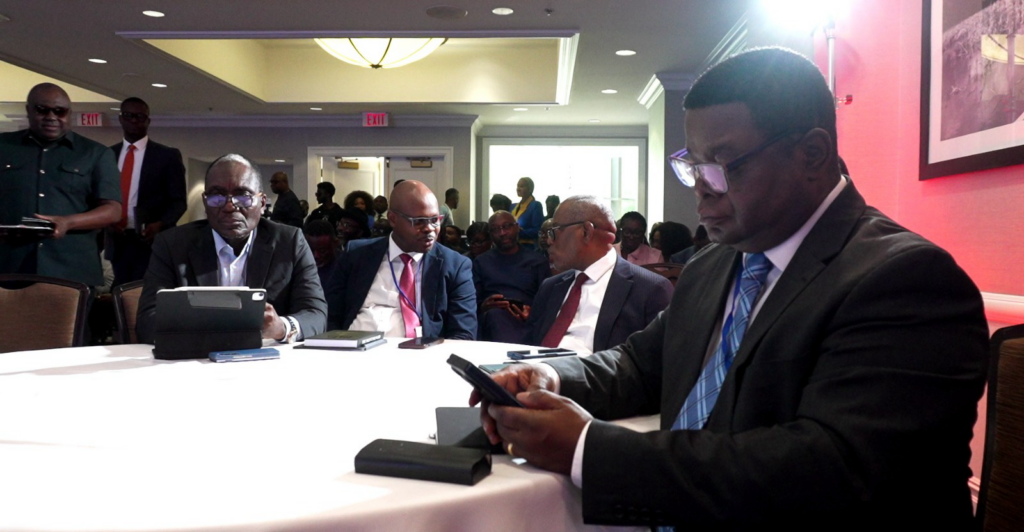
The event brought together Ghanaian professionals across Washington D.C., Virginia, and Maryland (DMV), focusing on repositioning remittances as “patient capital” to finance productive sectors of the economy.
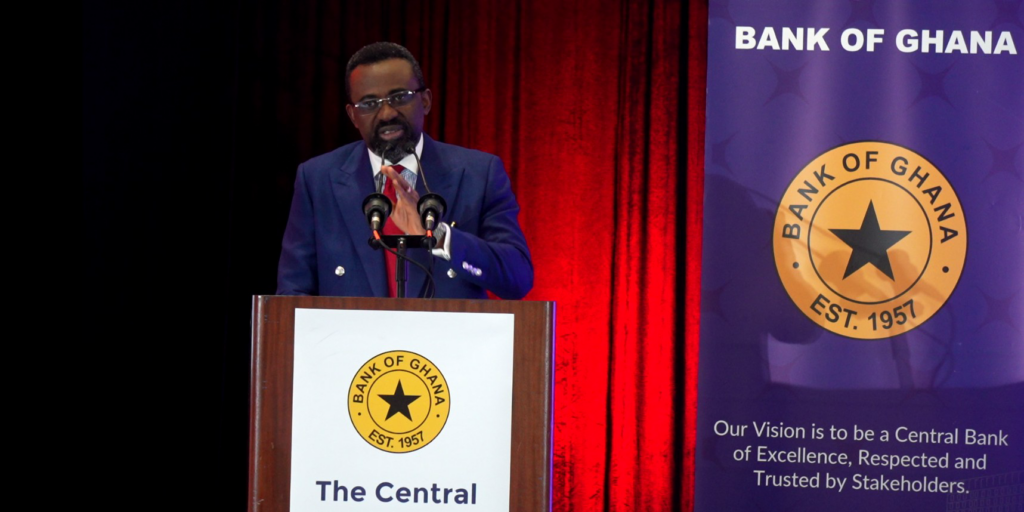
Participants included technical experts from the Bank of Ghana, representatives of commercial banks, and officials from the Ghana Investment Promotion Authority.
Discussions centred on practical investment opportunities, available financial instruments, and sectors primed to absorb diaspora capital.
The choice of the DMV area was strategic, given its large and economically vibrant Ghanaian community and its concentration of highly skilled professionals and entrepreneurs.
Remittances Outpacing Foreign Direct Investment
Highlighting the growing importance of remittances, Dr Asiama revealed that inflows reached an estimated $7.8 billion in 2025, significantly surpassing the roughly $2.5 billion in Foreign Direct Investment (FDI) recorded over the same period.
“Remittance inflows remain a cornerstone of Ghana’s external sector,” he noted.
He added that in 2024, Ghana recorded approximately $4.6 billion in remittances, representing about 6% of GDP—a figure that now exceeds FDI and underscores its systemic importance to the economy.
Policy Measures to Deepen Impact
To maximise these inflows, the Bank of Ghana has rolled out targeted policy measures aimed at:
- Enhancing formal remittance channels
- Strengthening transparency in the foreign exchange market
- Supporting digital cross-border payment systems
- Improving the quality and reporting of remittance data
The central bank is also exploring diaspora bonds and structured investment vehicles, as well as foreign-currency-denominated products, through regulated financial institutions.
Fintech Partnerships to Lower Costs
Dr. Asiama further disclosed that the Bank is leveraging fintech partnerships to reduce remittance costs and improve efficiency.
These include the responsible use of digital ledger technologies and tokenisation models to enhance speed, traceability, and security in cross-border transactions.
“We are working to ensure that when a Ghanaian in Washington or elsewhere decides to invest in Ghana—whether in government securities, SMEs, fintech, real estate, or infrastructure—the pathway is seamless, credible, and rewarding,” he said.
He noted that Ghana is drawing lessons from countries such as the Philippines, Mexico, and Kenya, which have successfully implemented structured diaspora investment frameworks.
Diaspora Key to Economic Transformation
Dr Asiama emphasised that the Ghanaian diaspora must be viewed as a central pillar of the country’s economic strategy.
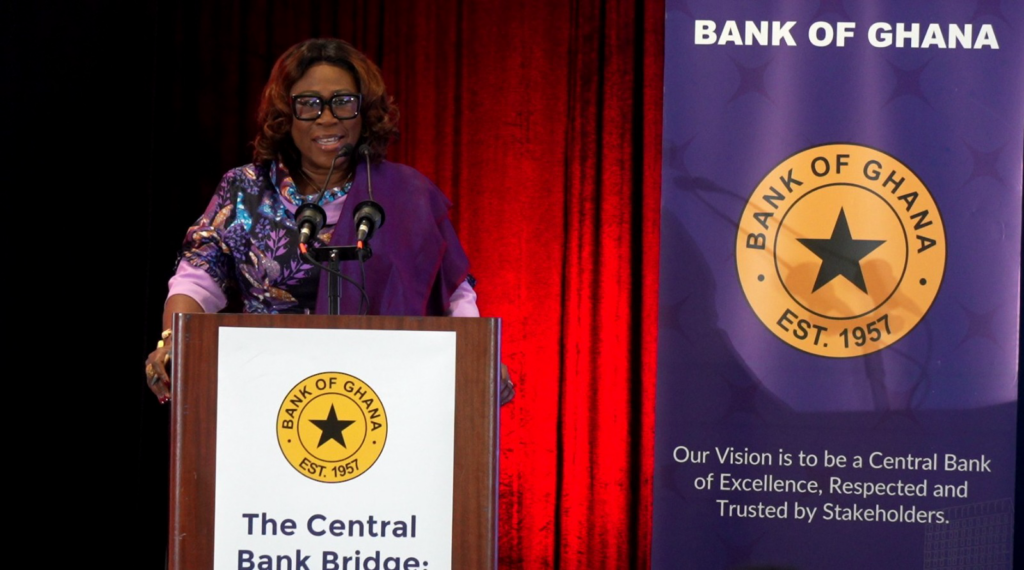
“The diaspora is not peripheral to our economy—it is central to our external stability, investment strategy, and economic transformation agenda,” he stressed.
“If harnessed effectively, it can become a reliable source of long-term capital, even during crises. We must treat the diaspora as domestic investors abroad, not just external senders.”
Positive Signals from the Economy
On the broader economic outlook, the Governor indicated that Ghana’s macroeconomic framework has been recalibrated to ensure stability and investor confidence.
He pointed to improving inflation trends, a resilient external sector, and a stable financial system as signs of progress.
“Gross international reserves have strengthened, improving import cover, while the cedi has shown considerable resilience, supported by appropriate policy tightening and effective liquidity management,” he added.
Latest Stories
-
Recurrent strikes threaten quality of education and academic calendars – Prof Bokpin
1 second -
‘Cockroach’ group leaders among hundreds detained in Delhi protest
3 minutes -
Don’t let speed of information become your judgement – CJ tells new lawyers
42 minutes -
World Cup visa scandal: People have leveraged public office to facilitate fraud – Senyo Hosi
47 minutes -
Glut! Farmers count losses as prices crash, customers happy
1 hour -
GSA postpones auction of unserviceable vehicles
1 hour -
Man charged with attempted murder after stabbing
1 hour -
World Cup visa scandal: Senyo Hosi says issue goes beyond calls for Sports Minister’s resignation
1 hour -
Yaw Ampofo Ankrah hasn’t taken or received any money to facilitate visas – Lawyer insists
2 hours -
World Cup visa scandal: Senyo Hosi urges focus on constitutional accountability
2 hours -
La Beach demolition: Senyo Hosi condemns lack of consultation
2 hours -
Russian glide bomb attack on Zaporizhzhia kills at least 15 people
2 hours -
Jinapor warns underperforming energy sector CEOs of consequences, says no protection for failure
2 hours -
Fire destroys head of tipper truck on Lower Volta Bridge
2 hours -
Palmer signs new Chelsea contract until 2034
2 hours