

Audio By Carbonatix
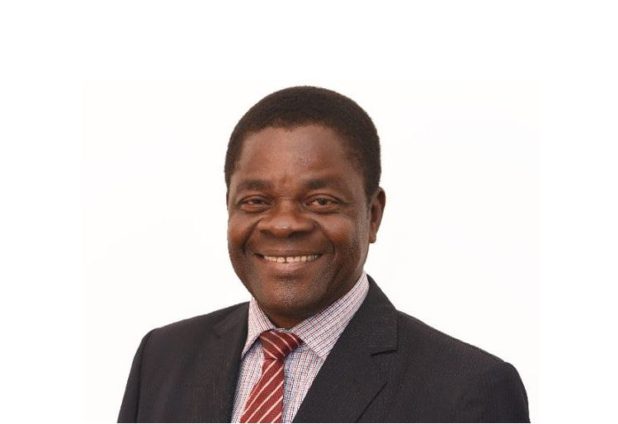
“When the Constitution says shall, it means shall.” That was the declaration from former Director of the Ghana School of Law, Kwaku Ansa-Asare, as he criticised what he sees as a creeping disregard for constitutional provisions.
Speaking on JoyNews’ PM Express on Wednesday, May 21, he warned that Ghana’s 1992 Constitution is not a suggestion box.
He was emphatic that it is the supreme law of the land. And when it speaks in mandatory terms, every public official is duty-bound to comply—without interpretation games or political gymnastics.
“Article 125 is clear,” he stressed. “It says the participation of the people in the administration of justice shall be encouraged. But it also reminds us that even the independence of the Judiciary is subject to the Constitution. Not above it. Subject to it.”
He warned that some public officials now treat constitutional mandates as optional.
Read also: Suspended CJ Torkornoo files injunction against committee probing her removal
“They forget that democracy is not the same as constitutionalism,” he said, quoting constitutional expert Kofi Kumado. “We may be democratic, but are we constitutional in our conduct?”
In what appeared to be a veiled critique of the ongoing controversy surrounding the Chief Justice and the impeachment petition filed against her, Mr Ansa-Asare accused actors within the judiciary of ignoring constitutional mechanisms and acting with impunity.
He questioned whether the Chief Justice had first sought guidance from the Judicial Council, a body created not just for formality but for function.
“The Judicial Council is there to help the Chief Justice behave herself,” he said. “In the same way, the Council of State exists to help the President behave himself.”
According to him, these constitutional structures were never meant to be ornamental. They were designed to act as internal moral and legal compasses for power-wielders.
“Governance institutions created by the Constitution must help those in power behave. From the presidency to media practitioners,” he said.
The former law school director described the handling of the CJ’s removal process as a dangerous provocation.
“All these things the Chief Justice and some lawyers are doing amount to a provocation of the committee,” he said.
“It’s as though they want to goad the committee into doing something unorthodox. Something unconstitutional.”
Mr Ansa-Asare expressed disappointment at the politicisation of what should be a strictly constitutional and legal process.
“Now, everything is politics. The CJ removal process is so engrossed in politics that issues of transparency, legality and constitutionality have been sidelined.”
Latest Stories
-
Two-week strike will not derail academic calendar – GNAT President
6 minutes -
Headmaster detained after BBC investigation into alleged sexual abuse of students
16 minutes -
GNAT pushes for clear implementation procedures of teachers’ conditions of service
35 minutes -
Recurrent strikes threaten quality of education and academic calendars – Prof Bokpin
39 minutes -
‘Cockroach’ group leaders among hundreds detained in Delhi protest
42 minutes -
Don’t let speed of information become your judgement – CJ tells new lawyers
1 hour -
World Cup visa scandal: People have leveraged public office to facilitate fraud – Senyo Hosi
1 hour -
Glut! Farmers count losses as prices crash, customers happy
2 hours -
GSA postpones auction of unserviceable vehicles
2 hours -
Man charged with attempted murder after stabbing
2 hours -
World Cup visa scandal: Senyo Hosi says issue goes beyond calls for Sports Minister’s resignation
2 hours -
Yaw Ampofo Ankrah hasn’t taken or received any money to facilitate visas – Lawyer insists
2 hours -
World Cup visa scandal: Senyo Hosi urges focus on constitutional accountability
2 hours -
La Beach demolition: Senyo Hosi condemns lack of consultation
3 hours -
Russian glide bomb attack on Zaporizhzhia kills at least 15 people
3 hours