

Audio By Carbonatix
A study conducted by the University of Cape Coast (UCC) has found a high and growing incidence of cohabitation among university students living in private hostels.
Cohabitation is to live together and have a sexual relationship without being married.
The situation is attributed to the extreme freedom in the private hostels enjoyed by the students, unlike the traditional university halls where some control mechanisms have been instituted.
In a few cases, the students put their resources together to rent the space for economic reasons.
While the majority of students thought cohabitation was bad, a few perceived it as good, fun and normal.
The study, which was also conducted in some adjoining communities found that the practice was contributing highly to teenage pregnancy and child marriage.
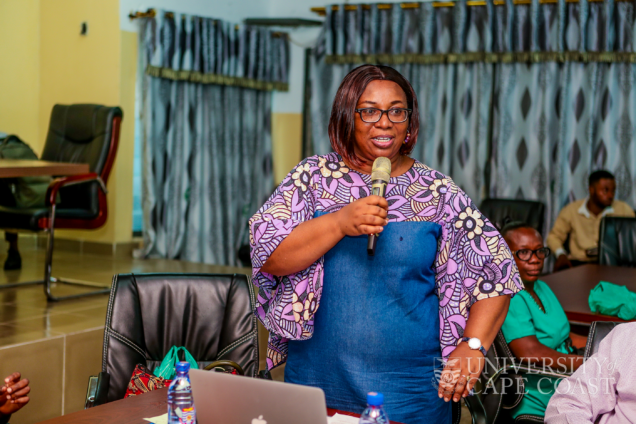
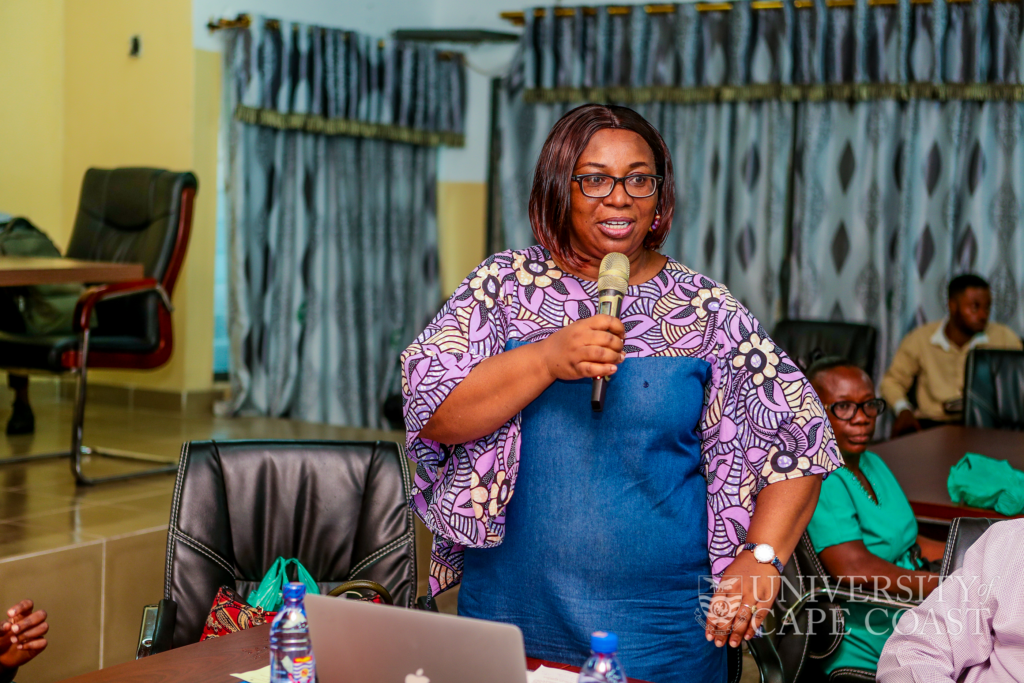
Professor Georgina Yaa Oduro, the Head of the Sociology and Anthropology Department at UCC, shared the findings at a workshop on ending child marriage and Gender-Based Violence for some traditional council registrars from eight regional houses of chiefs and the National House of Chiefs.
The training, organised by the United Nations Population Fund (UNFPA) and the Ministry of Chieftaincy and Religious Affairs, sought to deepen the understanding of the registrars on child marriage, gender-based violence and other harmful practices to help them function effectively.
“If you are on campus and in the halls, you have the hall masters, tutors, and the hall council to control you. In the girls’ hostels, for example, guys cannot visit the halls after 10:00 PM,” Prof Oduro said.
“But in the private hostels, comparatively, you have the freedom to do whatever you want.”
Prof Oduro said the partners performed all the roles of married couples including sex and domestic chores such as cooking, washing and giving out money.
Some of the students, particularly the young women who had to juggle academic work and domestic chores for their partners, sometimes missed lectures or attended late, affecting their studies, she noted.
Like in the communities, she observed that cohabitation among students was also characterised by gender-based violence such as forced sex, abortions and quarrels often due to the freedom in such relationships.
She narrated how a 22-year-old male student of UCC died by suicide this year following a misunderstanding with his partner he was cohabiting with.
Many of those relationships unfortunately ended after school, she noted.
The professor noted that very little attention had been given to the issue and called for concerted efforts by stakeholders, including parents, lecturers, school authorities, and traditional and religious leaders, to mitigate it.
Prof Oduro observed with worry the abuse of emergency contraceptives by young girls and cautioned against the same.
“It is my understanding that such pills are supposed to be taken once in six months or so. But for some children today, it’s their everyday pill,” she stated with concern.
Latest Stories
-
Conflicts among care providers linked to maternal, neonatal deaths – Expert
59 minutes -
GIS marks 10th TIME conference, champions improved teaching practices
1 hour -
BRICS Or Balance? What Ghana’s bid really means
2 hours -
GPRTU wants full TRAFFITECH-GH implementation to start in 2027
2 hours -
Mahama announces plans to import electric wheelchairs for PWDs
2 hours -
KGL U17 Colts 2026: Western beat Prempeh Elite Academy to set up final final with Greater Accra Region
2 hours -
Late Solanke strike salvages 10-man Spurs draw at Man United
2 hours -
Gender Ministry to monitor welfare of Nana Akua Addo’s children amid domestic violence case
3 hours -
Benedict Okyere Yeboah: Ghana’s football problem goes beyond sacking a coach
3 hours -
GPL 2026/27: Darkwah Wiafe’s winner sees All Blacks beat Kotoko
3 hours -
ITF World Tour : Patel Wins Boys’ Singles Final at J100 Accra
3 hours -
Ghana must pursue BRICS partnership if it brings economic benefits – Kpebu
3 hours -
Success and Wright Claims J100 Accra Girls’ Doubles Championship
3 hours -
ITF J100: America’s Wright wins J100 Accra Girls’ Singles Title
3 hours -
Expedition hopes to find aviator Amelia Earhart’s plane on remote island
3 hours