

Audio By Carbonatix
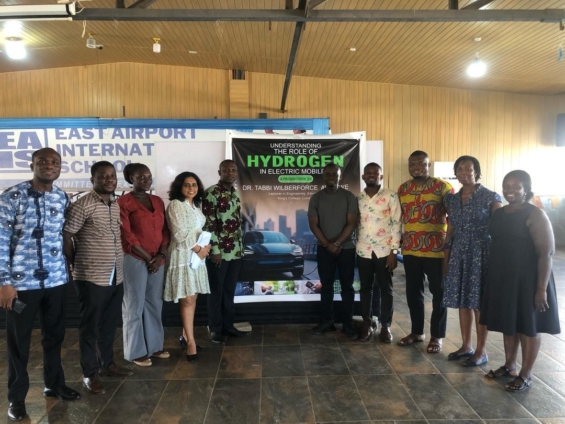
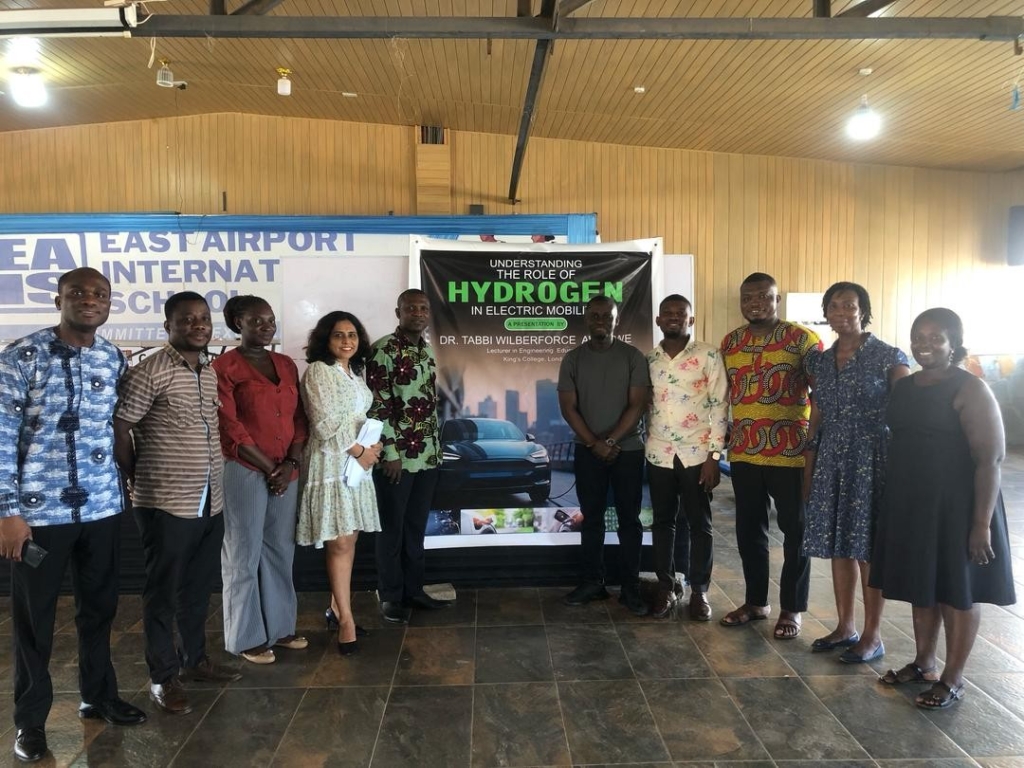
In a groundbreaking initiative aimed at transforming STEM education in Ghana, students at East Airport International School (EAIS) in Accra were recently introduced to project-based learning (PBL) through a specialised session on the topic “Understanding the Role of Hydrogen in Electric Mobility.”
The session was led by Dr. Tabbi Wilberforce Awotwe, a leading advocate for innovative engineering education and a lecturer in Engineering Education at King's College London.
The initiative forms part of a broader international project funded by The British Council and The Royal Academy of Engineering. The programme aims to embed project-based learning philosophies across Science, Technology, Engineering, and Mathematics (STEM) curricula, fostering critical thinking, innovation, and collaboration among students.
Dr. Awotwe, who also plays a pivotal role in engineering curriculum development in the UK and Africa, engaged students with an interactive and hands-on approach to understanding how hydrogen, a clean energy source, is reshaping the future of electric mobility. Students explored real-world applications of hydrogen fuel cell technology, discussed the environmental benefits of sustainable transport, and were challenged to develop their own ideas for hydrogen-powered vehicles.
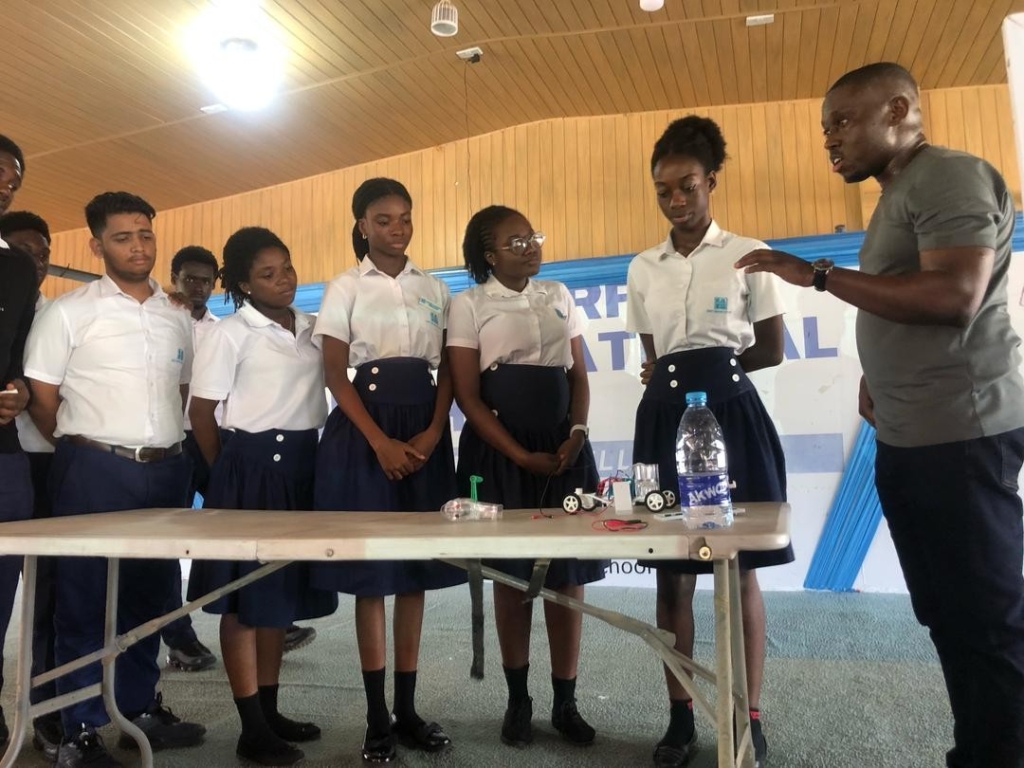
Speaking after the training, Dr. Awotwe commended the teachers and leadership of East Airport International School for their forward-thinking approach to STEM education. “I am truly honoured to have had the opportunity to engage with such enthusiastic learners and supportive educators,” he said. “Project-based learning is more than just a teaching method – it's a way of preparing students to become problem solvers, collaborators, and innovators. Ghana is teeming with talent, and platforms like this are key to unlocking it.”
Dr. Awotwe also emphasised the importance of cross-border collaboration in education and research. He called for the creation of more mutually beneficial partnerships between Ghanaian institutions and those in Europe, particularly the United Kingdom. “We need to move beyond one-off engagements,” he added. “There is a need for structured, long-term collaboration that allows for shared learning, exchange programmes, joint curriculum development, and co-supervised student projects.”
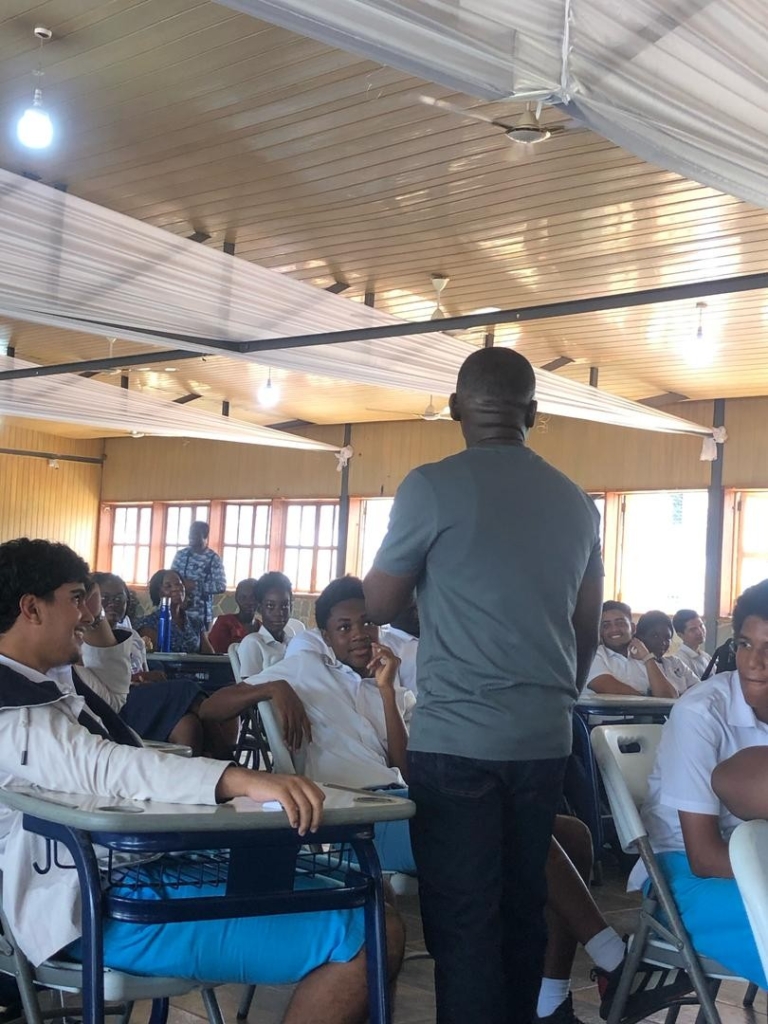
The programme, still ongoing, is expected to reach a target audience of at least 650 students across Ghana, spanning both secondary schools and universities. Its core objective is to integrate PBL methodologies into mainstream STEM education, equipping students with the skills required for future industries such as clean energy, robotics, and artificial intelligence.
Teachers at EAIS praised the session as eye-opening and transformative. “Our students were actively engaged, asking questions, thinking critically, and coming up with innovative ideas,” said one STEM coordinator. “This is exactly the kind of exposure they need to prepare for the future.”
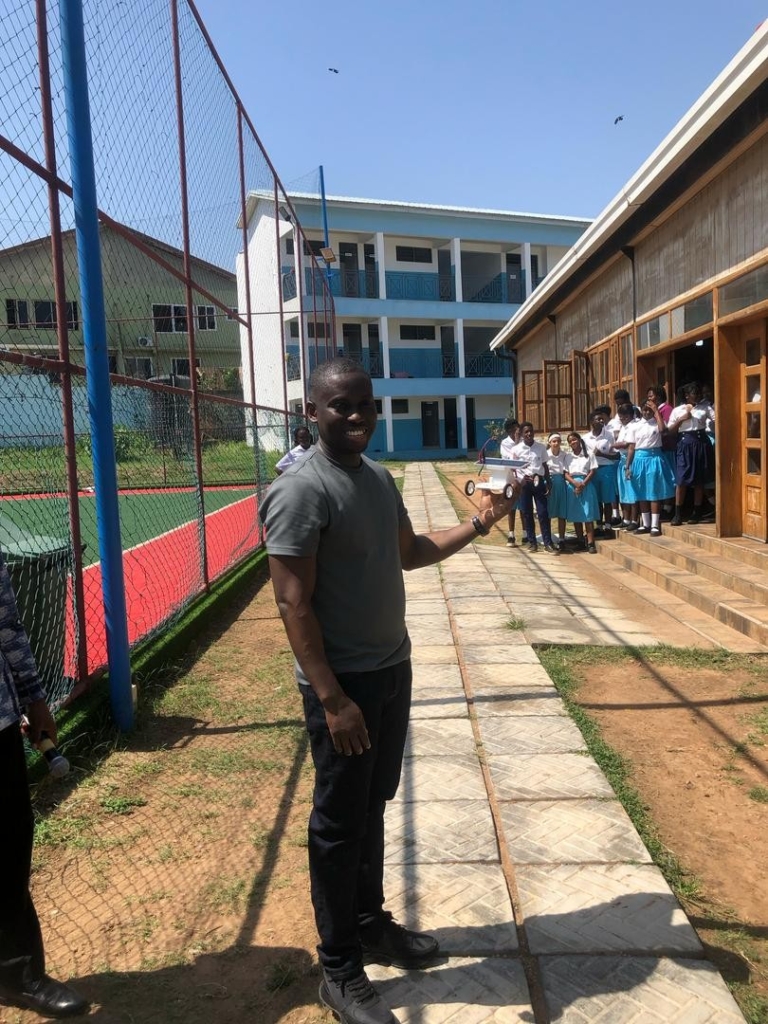
As Ghana continues its push towards educational reform and sustainable development, programmes like this stand as shining examples of how international collaboration and innovative pedagogy can empower the next generation of scientists, engineers, and global change-makers.
Latest Stories
-
Bekwai court jails mine worker 14 years for defiling 8-year-old girl
5 minutes -
CHASS conference calls for collective action to tackle indiscipline in schools
9 minutes -
Netflix names former Disney executive Peter Rice as new content chief as Bajaria departs
32 minutes -
India’s ‘cockroach’ protesters set to return despite police crackdown
40 minutes -
Porn showing choking or incest to be banned from early November, government says
52 minutes -
Russell Brand accuser says he turned ‘monster-like’ before alleged rape
1 hour -
US police identify remains of man found in barrel in shrinking reservoir
1 hour -
My uncle told me I will never make it in music – Lojay
1 hour -
Martinez apologises for outburst and fined by Man Utd
2 hours -
Infantino apologises to FIFA Council – but told he is still not fit to lead
2 hours -
Southgate does not see return to Premier League management
2 hours -
Could Wenger really take on Infantino and run for the FIFA presidency?
2 hours -
Ghana ranked joint 6th in 2026 Absa Africa Financial Markets Index
2 hours -
Demand and savings deposits decreased in August 2026, but currency outside banks increased by 4%
3 hours -
Fiscal policy implementation poses downside risk to inflation – BoG
3 hours