

Audio By Carbonatix
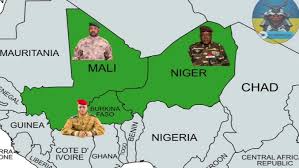
The Economic Community of West African States (ECOWAS) officially recognised the withdrawal of Burkina Faso, Mali, and Niger from the regional body.
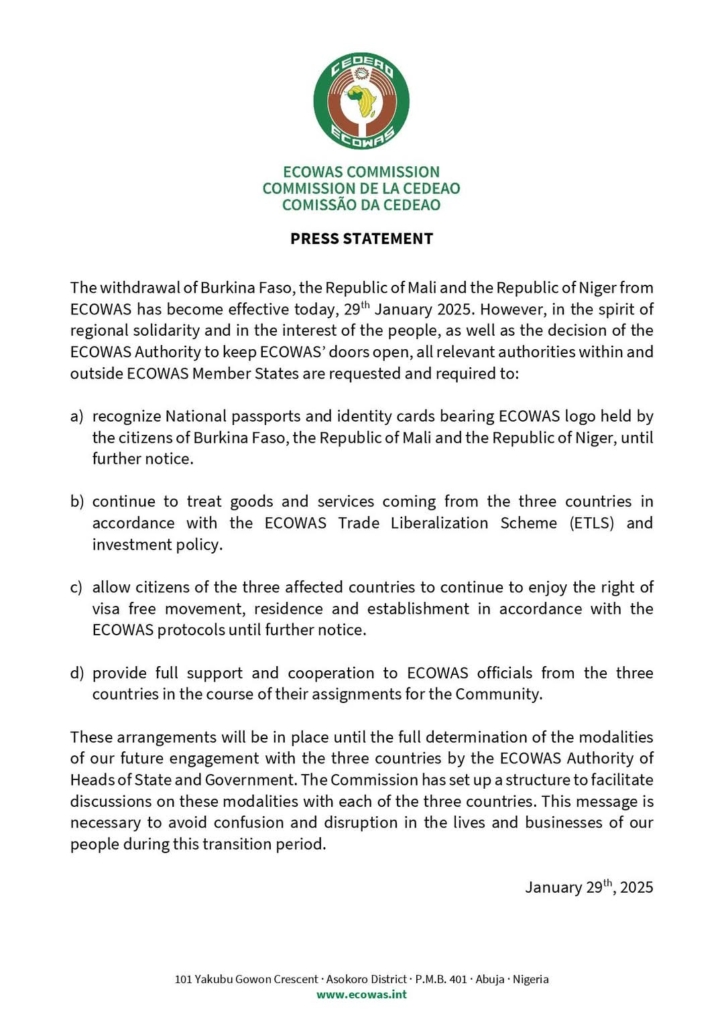
A press release issued by the ECOWAS Commission on Monday, January 29, confirmed that their departure had taken effect, following a six-month grace period.
The statement also emphasised the importance of regional solidarity, urging both member and non-member states to recognise national passports and identity cards featuring the ECOWAS logo.
The ECOWAS Trade Liberalisation Scheme (ETLS) will remain in place, allowing trade between member and non-member states, while citizens of non-member countries will continue to enjoy visa-free movement and other benefits as per ECOWAS protocols.
Background
The decision for Mali, Burkina Faso, and Niger to leave ECOWAS follows military coups.
In Mali, a military coup in August 2020 ousted the elected government of President Ibrahim Boubacar Keita, which led to the country’s suspension from ECOWAS.
Relations worsened following a second coup in 2021, resulting in Mali’s formal withdrawal from the regional body in 2022.
Burkina Faso experienced a similar trajectory, with a military coup in January 2022 followed by a second in September 2022, which further strained relations with ECOWAS and led to the country’s continued suspension.
Niger followed suit in July 2023, when President Mohamed Bazoum was ousted in a coup, prompting ECOWAS to suspend the country’s membership and impose sanctions.
Latest Stories
-
Mahama urges African governments to treat healthcare as an investment, not budget cost
26 minutes -
Bawumia congratulates John Boadu and new NPP executives, pledges support ahead of 2028
28 minutes -
‘No talent should be left out’ – Bawumia pledges inclusive NPP campaign for 2028
33 minutes -
Prof. Mike Oquaye recounts how he blocked Special Prosecutor’s attempt to arrest Bawku Central MP
49 minutes -
Make health sovereignty a priority for Africa – Mahama
1 hour -
Dorimon Naa, Wa West DCE lead massive clean-up exercise; threaten sanctions against recalcitrant residents
1 hour -
Photos From Adom FM Y2K Jam
1 hour -
Praye Tiatia steals the show at Adom FM Y2K Jam [Watch]
1 hour -
Boakye Agyarko congratulates John Boadu, pledges support for NPP leadership
2 hours -
Antwi HiMight thrills fans with Antwi ne Antwi hits at Adom FM’s Y2K Jam [Video]
2 hours -
Amb. Edward Boateng congratulates Boadu, Kodua on election wins
2 hours -
John Boadu pledges to rebuild NPP from grassroots and restore ‘winning machinery’
2 hours -
Ashaiman Assembly deploys monitoring system to curb dumping in storm drain
3 hours -
John Boadu must rebuild, unite NPP for 2028 – Edward Boateng
3 hours -
Executive intimidation of opposition undermines separation of powers – Prof Oquaye
3 hours