

Audio By Carbonatix
There’s a lot of movement towards Africa’s industrial future, and Ghana has a seat in the front row. With the right spark, Africa’s automotive industry can shift gears from low-revving used imports to a full-throttle ecosystem of production, innovation, and electrified mobility. But how do we get there?
Let’s start with where we are now.
The Current State of Play
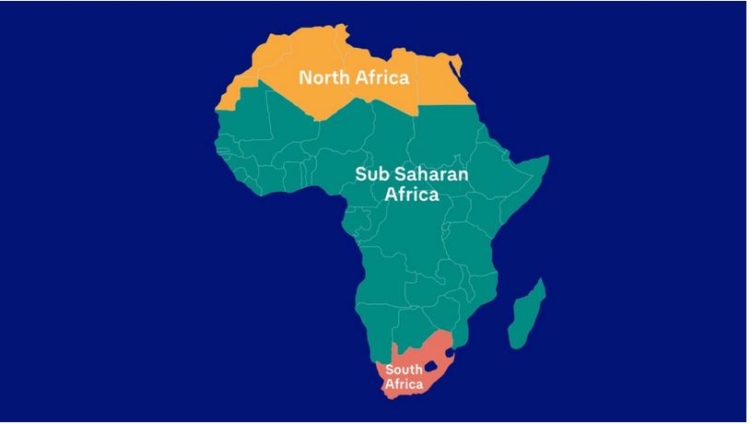
In 2024, only 175,915 new vehicles were sold across Sub-Saharan Africa (excluding South Africa), while over 1 million used vehicles poured into the region. Ghana, like many others, remains heavily dependent on these second-hand imports, often older, less efficient, and environmentally problematic.
Vehicle penetration in SSA stands at a modest three cars per 100 people, compared to a global average of 18. That’s a huge market waiting to be activated.
“We’ve barely scratched the surface of Africa’s potential,” says Martina Biene, Chairperson and Managing Director of Volkswagen Group Africa. “But for manufacturers to commit, we need a continent-wide commitment to policy alignment, trade facilitation, and clean energy infrastructure.”
So, what needs to change?
- Harmonised Automotive Policies
Currently, 41 out of 54 African countries lack basic automotive standards, including fuel quality and emissions regulations. For manufacturers and investors, this creates a logistical nightmare.
In Ghana, the government has taken early steps with local assembly policies and tax incentives, but regional fragmentation slows progress.

According to Victoria Backhaus-Jerling, CEO of the African Association of Automobile Manufacturers (AAAM), “What we need is one Africa, one automotive standard. That’s how we unlock efficiency, reduce costs, and create a value chain that benefits everyone, from Accra to Addis Ababa.”
- Implementing AfCFTA’s Rules of Origin
The African Continental Free Trade Area (AfCFTA) offers perhaps the continent’s greatest shot at industrial transformation. One key mechanism is the Rules of Origin (RoO), a proposed policy that mandates vehicles must contain at least 40% local content to qualify for tariff-free trade across the continent.
With proper implementation, RoO could:
– Support Ghana-based component manufacturing
– Attract OEMs to set up shop
– Boost intra-African exports
– Drive down costs of locally-assembled cars
It’s like building a highway that automakers can finally drive on, with far fewer tolls.
- Strategic Shift Away from Used Imports
It’s time to confront the elephant in the garage. Ghana’s auto market is flooded with cheap, imported used vehicles, often older than ten years and incompatible with today’s clean energy standards.
Banning used cars outright is unrealistic (and unpopular), but gradual reforms could include:
– Phasing age limits for imports
– Offering low-interest auto loans for new vehicles
– Prioritizing fuel-efficient and EV-ready models
This approach won’t just benefit the economy, it will clean the air, save fuel, and create jobs.
- Investing in People and Places
No auto revolution happens without a skilled workforce and strong infrastructure.
Ghana needs more technical training institutes focused on auto engineering, diagnostics, electronics, and EV technologies. Our ports must become export-ready. And we must electrify and digitize our grid to support a future that’s fast becoming battery-powered.
The Volkswagen-backed GenFarm project in Rwanda, which deploys electric tractors for sustainable farming, shows how strategic partnerships can create African-born solutions. Ghana can replicate and scale similar efforts.
- Plugging into the EV Opportunity
Electric vehicles are no longer a distant dream. From Kenya’s electric motorbike boom to Morocco’s EV exports, the continent is starting to plug in. Ghana must position itself to lead the EV value chain, including battery assembly, charging infrastructure, and local production of affordable electric cars, especially as the majority of our energy mix is renewable.
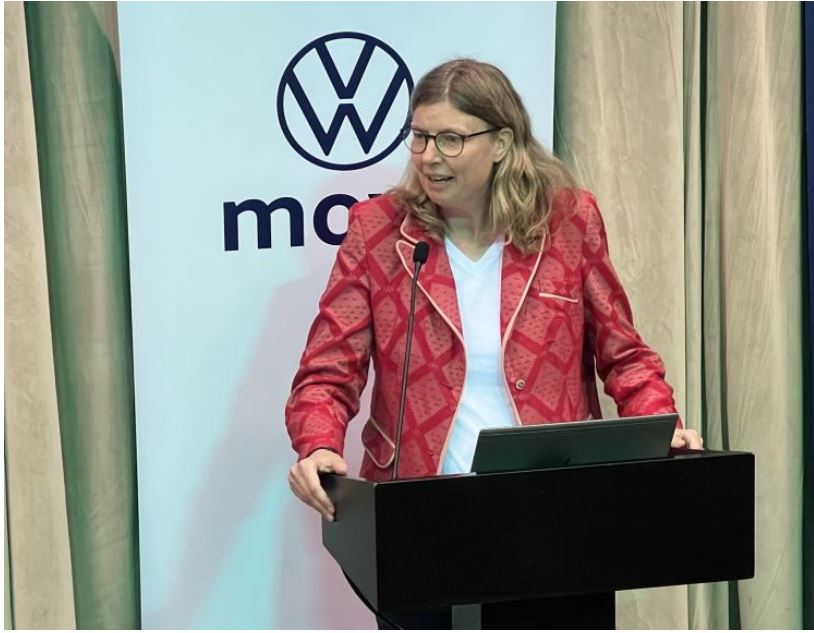
“If we get this right,” Biene says, “Africa could become a global player in the automotive industry, not just a market, but a maker of mobility solutions.”
So What’s the Finish Line?
With policy alignment, smart investment, and bold vision, Ghana and Africa as a whole can do more than catch up, we can lead. The continent’s youth, resources, and market potential make it the next frontier in global auto manufacturing.
But it won’t happen by chance. It requires drive, both literal and political.
And that’s the real engine of change.
-
The author, Edward Boateng Opoku, known as Eddie Poku, is an automotive enthusiast and the creative force behind Ryde Channel on YouTube.
His channel features in-depth car and motorcycle reviews, profiles of auto enthusiasts, and coverage of automotive events. Engaged in the automotive industry, Eddie actively participates in discussions about cars and motorcycles. Connect with him on YouTube at Ryde Channel, LinkedIn at www.linkedin.com/in/edwardopoku2018, and visit www.rydechannel.com for more.
Latest Stories
-
Ghana Faces Sierra Leone Moment as Prosecutorial Powers come under strain
4 minutes -
Don’t consume fish or seafood from Tema Shipyard until further notice – FDA warns
8 minutes -
Why volunteering might be Africa’s most underrated career accelerator
15 minutes -
ActionAid Ghana raises concern over gender gaps in Feed Ghana Programme
17 minutes -
Windstorm wreaks havoc in Gushegu, displacing nearly 2,000 residents and damaging schools
19 minutes -
Friends of Bridget Bonnie Marks her 35th birthday with donation to Kasseh Model Health Centre
1 hour -
From Ekumfi Kokodo to the Pulpit Stage: Essi Donkor’s gospel journey takes shape
1 hour -
Landfilling waste management creates no value, it’s an economic waste
2 hours -
Photos: Speaker Bagbin Commissions MPs constituency office under parliamentary decentralisation programme
2 hours -
Black Stars technical advisor Winfried Schäfer sacked as GFA shakes up backroom staff
2 hours -
Wenchi water project almost complete, critical to gov’t agenda – GWL MD
2 hours -
Anti-LGBTQ+ bill not part of government’s legislative agenda – Inusah Fuseini
2 hours -
Anti-LGBTQ Bill: Forget the rumour mongers, I’m a man of action, and will pass the bill – Speaker
3 hours -
Women and children among those killed in Sudanese army shelling of wedding celebration
3 hours -
President Mahama is not sincere with Ghanaians on LGBTQ bill matter – Hassan Tampuli
3 hours