

Audio By Carbonatix
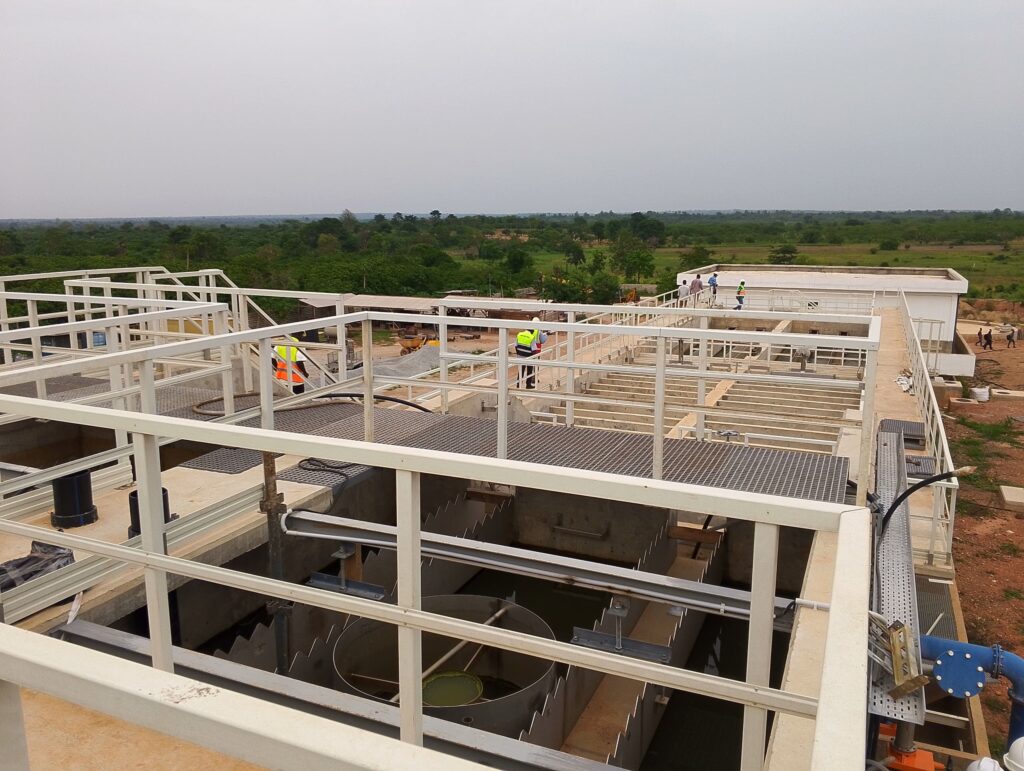
The Managing Director of Ghana Water Limited (GWL), Adam Mutawakilu, says the completion of the Wenchi Water Treatment Plant is a key priority for President John Mahama.
According to him, the project, initiated under the previous administration, is approximately 97 per cent complete.
He explained that President Mahama’s reset agenda places strong emphasis on making potable water accessible to Ghanaians, particularly in urban and peri-urban communities. He added that GWL, through the Ministry of Works and Housing, is working to meet growing demand.
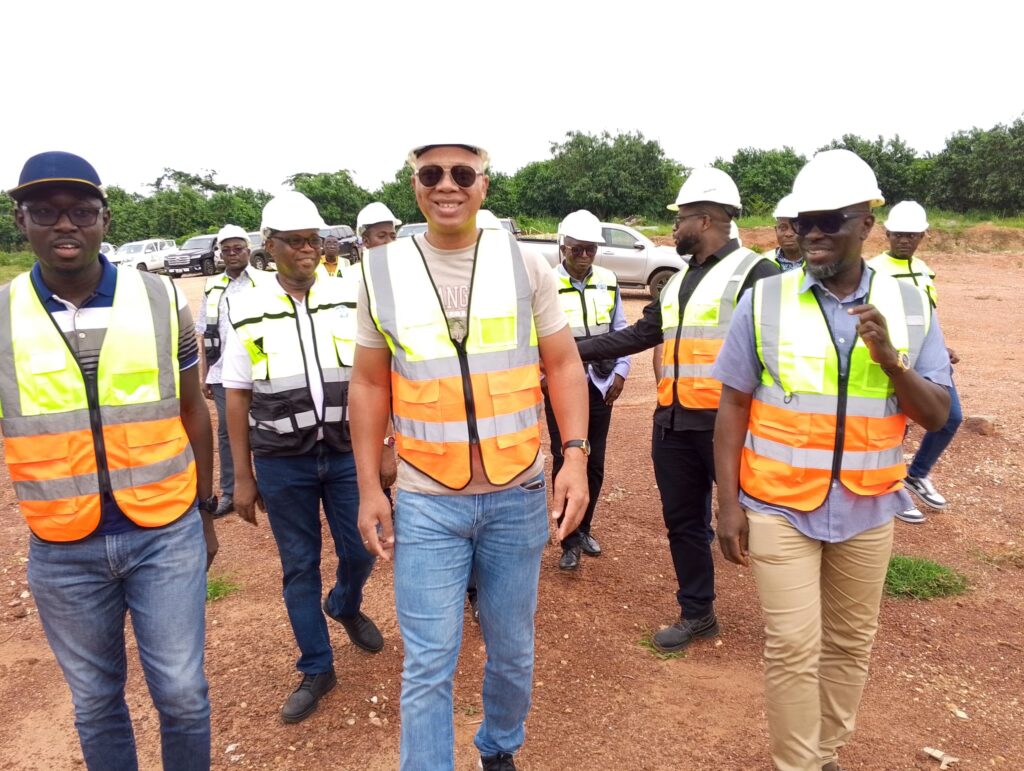
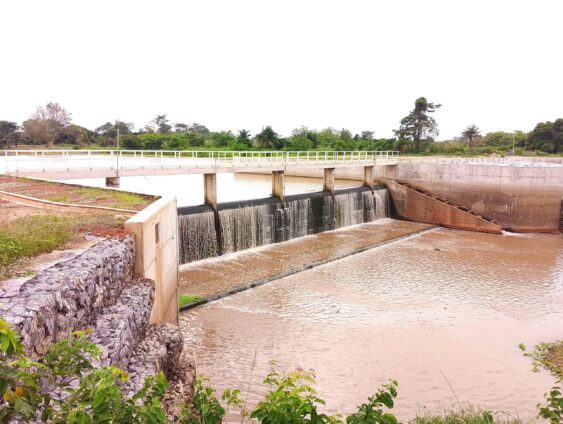
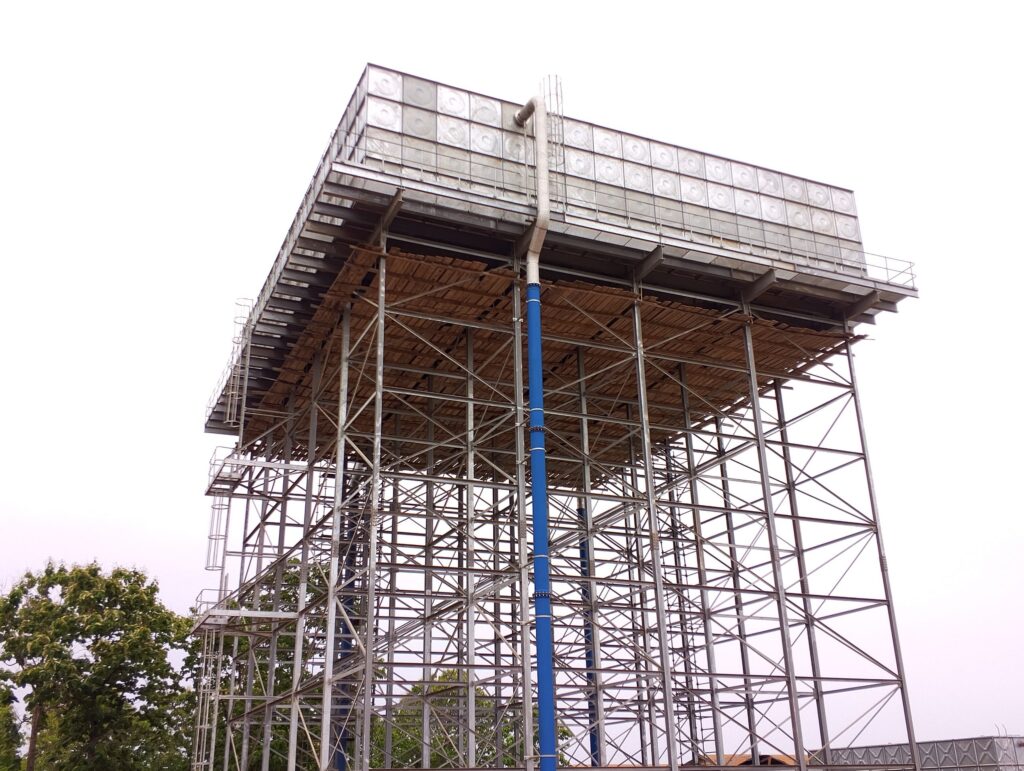
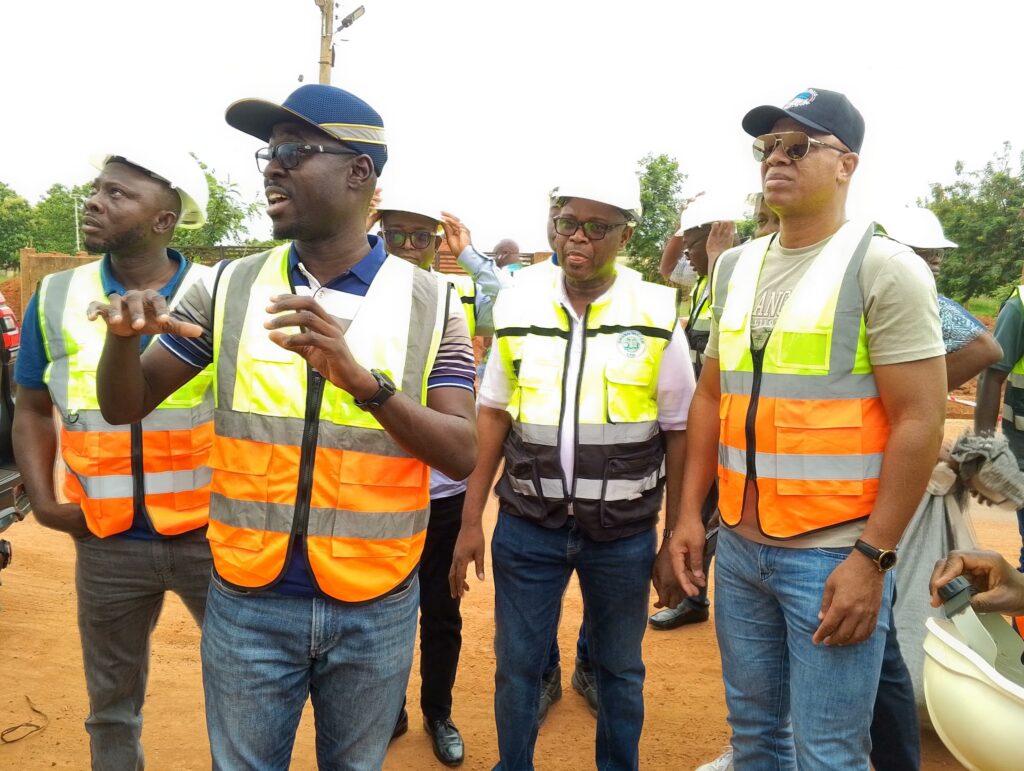
Mr Mutawakilu made these remarks during a one-day working visit to the Brong Ahafo Region, where he inspected ongoing works at the Wenchi Water Treatment Plant. The inspection covered the intake point, treatment facilities, and overhead tanks. Two tanks with capacities of 2,300 and 900 cubic metres have already been constructed.
Upon completion, the Wenchi project is expected to significantly enhance access to potable water in Wenchi and its surrounding communities, including Asuano, Awisa, Beposo, Droboso, Koase, Nkonsia, Nwoase, Tainso, Wurompo, and Yoyoano.
To meet projected demand over the next 15 years, the remaining three per cent of work is expected to be completed by the extended deadline in June.
Mr Mutawakilu attributed the delay in completing the project to outstanding payments related to some Interim Payment Certificates (IPCs). However, he assured that steps are being taken to address the issue.
He said he would engage the Minister of Works and Housing and the Minister of Finance "to see how it can be completed by the June extension given so that we can bring this plant to operation".
He expressed confidence that the identified challenges would be resolved, citing the government’s determination to see the project through.
Mr Mutawakilu also commended the progress made so far, noting that turbidity levels at the intake point are currently favourable and expressed hope that they will remain stable.
He, however, stressed the need for stakeholders to collaborate in protecting activities along the Tain River—the plant’s main water source—to maintain suitable turbidity levels for water production.
As part of his visit, the GWL Managing Director also inspected the Sunyani Water Treatment Plant, which is earmarked for expansion to augment existing capacity.
He noted that although the previous administration was unable to commence the expansion, he remains optimistic that the project will resume once the country exits IMF programme constraints.
On operational efficiency, Mr Mutawakilu said measures have been introduced to ensure revenue collection for all water supplied, in contrast to the 52.2 per cent non-revenue water level inherited.
He revealed that ongoing interventions have led to a marginal reduction in non-revenue water from 51.6 per cent in December to 45.59 per cent in February.
While expressing optimism about further reductions, he identified tackling fiscal leakages as the next priority. This will include the moulding and fabrication of pipelines to replace weak sections of transmission lines.
He said these efforts would significantly contribute to reducing non-revenue water.
Mr Mutawakilu also emphasised the need for improved staff performance, urging managers to ensure that employees meet key performance targets.
"We encourage the general public. We cannot do it alone. We need their assistance to be able to fight this illegal connection and misclassification of customers".
He appealed to Ghanaians to remain patient as the company works to address supply shortfalls.
On his part, the Brong Ahafo Regional Chief Manager of GWL, Theophilus Collins, speaking at the Abesim Water Works, raised concerns about illegal mining activities upstream, which he said are affecting water quality.
He described the situation as involving "a few illegal mining activities" that are impacting production.
Due to this, "intermittently, we have to put our pumps to a stop and wait and monitor the (water turbidity) levels," he lamented.
Mr Collins, however, noted that the Regional Coordinating Council, led by the Regional Minister, together with other stakeholders, is acting swiftly to contain the situation upstream to ensure a consistent water supply to Sunyani and its surrounding communities.
Latest Stories
-
Don’t let speed of information become your judgement – CJ tells new lawyers
35 minutes -
World Cup visa scandal: People have leveraged public office to facilitate fraud – Senyo Hosi
40 minutes -
Glut! Farmers count losses as prices crash, customers happy
1 hour -
GSA postpones auction of unserviceable vehicles
1 hour -
Man charged with attempted murder after stabbing
1 hour -
World Cup visa scandal: Senyo Hosi says issue goes beyond calls for Sports Minister’s resignation
1 hour -
Yaw Ampofo Ankrah hasn’t taken or received any money to facilitate visas – Lawyer insists
2 hours -
World Cup visa scandal: Senyo Hosi urges focus on constitutional accountability
2 hours -
La Beach demolition: Senyo Hosi condemns lack of consultation
2 hours -
Russian glide bomb attack on Zaporizhzhia kills at least 15 people
2 hours -
Jinapor warns underperforming energy sector CEOs of consequences, says no protection for failure
2 hours -
Fire destroys head of tipper truck on Lower Volta Bridge
2 hours -
Palmer signs new Chelsea contract until 2034
2 hours -
World Cup visa scandal: Mahama will act on corruption allegations – Abass Nurudeen
2 hours -
Abass Nurudeen accuses Minority of ‘scandal scavenging’ over World Cup visa controversy
2 hours