

Audio By Carbonatix
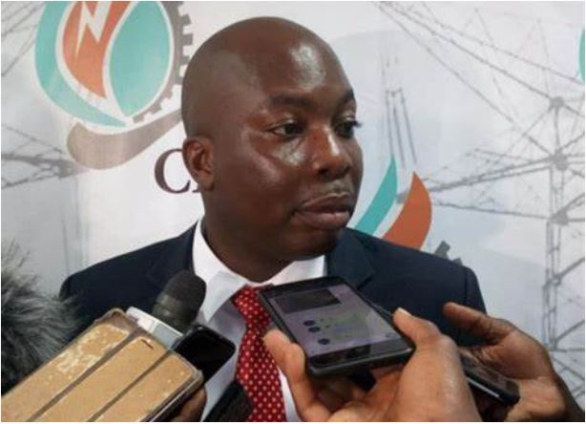
The CEO of Independent Power Generators, Ghana (IPGG) has expressed concerns about a potential increase in electricity prices following the introduction of the Emissions Levy.
Dr. Elikplim Kwabla Apetorgbor emphasised the necessity for a comprehensive review of electricity generation tariffs.
In a statement on Sunday, February 3, the Power System Economist highlighted the importance of such a review to protect the financial obligations of power producers.
He suggested that an upward adjustment in tariffs would be necessary to address the heightened operational costs resulting from the implementation of the Emissions Levy.
“This law imposes a levy of GHS100 per tonne on carbon dioxide equivalent emissions from the electricity producers…As a direct consequence of this statutory incidence on the power producers, there will be an upward adjustment in the cost build-up of the electricity generation.
"Power plant management and operation are cost-sensitive, just as the downstream petroleum sectors. Specifically, the levy will be added to the operational costs build-up of the power plants,” he said.
“The implementation of the Emissions Levy Act, 2023 necessitates an equal measure of review of the electricity generation tariff, to ensure the predictability of the cash flow obligations of the power producers.
"This adjustment is essential to cover the increased operational costs induced by the imposition of the Emissions Levy, Act 2023 (Act 1112) to ensure an operational reliability and sustainability.”
Read the statement below
Impact of the Emissions Levy Act, 2023 (Act 1112) on Electricity Generation Tariffs in Ghana.
- The implementation of the new tax laws and amendments directs the enactment of the Emissions Levy Act, 2023 (Act 1112). This law imposes a levy of GHS100 per tonne on carbon dioxide equivalent emissions from the electricity producers, as statutory incidence;
- In accordance with the Power Purchase Agreements (PPAs), this legislation is a political risk (an Increased Cost Event) mitigated by an Increased Costs clause in the Agreements, which suggests a pass-through mechanism, where the economic incidence goes to the end user;
- As a direct consequence of this statutory incidence on the power producers, there will be an upward adjustment in the cost build-up of the electricity generation. Power plant management and operation are cost sensitive, just as the downstream petroleum sectors. Specifically, the levy will be added to the operational costs build-up of the power plants;
- Impact on Electricity Users – The implementation of the Emissions Levy Act, 2023 necessitates an equal measure of review of the electricity generation tariff, to ensure the predictability of the cash flow obligations of the power producers; and.
- This adjustment is essential to cover the increased operational costs induced by the imposition of the Emissions Levy, Act 2023 (Act 1112) to ensure an operational reliability and sustainability.
Dr. Elikplim Kwabla Apetorgbor
Power Systems Economist & CEO, IPGG
February 3, 2024.
Latest Stories
-
Afoko: Women’s inclusion key to NPP’s electoral comeback
2 minutes -
2026 U-20 WWC: Black Princesses suffer another group stage exit after defeat to France
14 minutes -
No policy to teach Arabic, Chinese in all public schools – Mahama
14 minutes -
Students’ academic freedom central to Africa’s democratic future – Prof Appiagyei-Atua
29 minutes -
Ɔdadeɛ Global Executives congratulate PRESEC on historic 9th NSMQ trophy
31 minutes -
Mahama announces maize processing plant for Sissala area to tackle glut
35 minutes -
Ghana undertaking Africa’s largest road infrastructure programme – Agbodza claims
1 hour -
Prospective homeowners troop to Day 2 of JoyNews-Republic Bank Habitat Fair, engage experts on homeownership
1 hour -
Video: Medeama suffer preliminary round exit after losing to TP Mazembe
2 hours -
Police interdict officer over death of 23-year-old law student, Ivan Baidoo
2 hours -
BECE: ‘I’m happy we’re seeing our children’s true results because cheating is curtailed’ – Mahama
2 hours -
24-Hour Economy targets greenhouses, cold storage and air cargo to transform horticulture
2 hours -
Taxpayers’ money shouldn’t fund National Cathedral; Christians can contribute towards it – Mahama
3 hours -
U.S. Embassy launches Girls’ soccer initiative in Ghana to build leaders on and off the pitch
3 hours -
CAF Champions League: GPL champions Medeama eliminated at the preliminary round
3 hours