

Audio By Carbonatix
The 2022 budget showed an aggressive fiscal consolidation, with the fiscal deficit expected to return to the constitutional limit of no more than 5% of GDP by 2024.
Ghana entered the COVID-19 crisis on a relatively stronger footing than its African peers.
Structurally, the economy has seen major shifts over the past few years, positioning it for significant growth going forward.
This is supported not only by primary-sector industries like oil and gold but accelerated development in the tertiary sector.
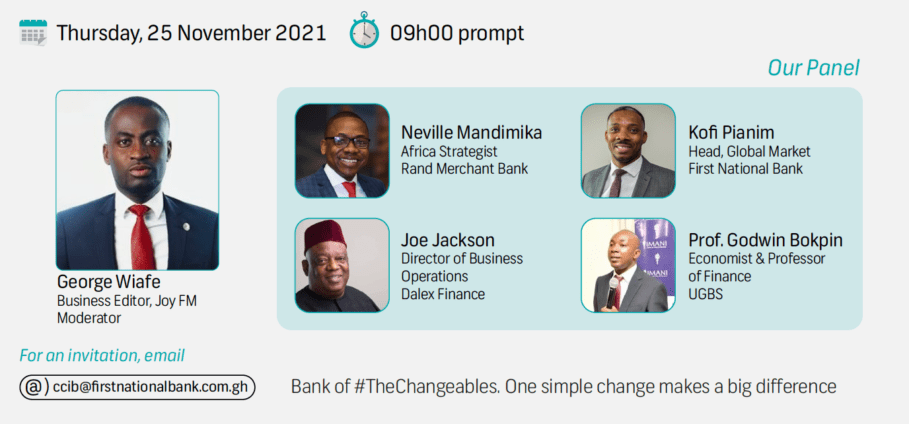
Be our guest as we discuss Ghana’s budget for the year 2022 and explore the impact and economic expectations for businesses, individuals as well as the implications for the entire economic ecosystem in-country and for offshore relations.
Latest Stories
-
Power restoration fault suspected in Kumasi Central Market fire
41 minutes -
The 7-foot giant of Ngleshie Amanfro: Seven-foot Ghanaian Ephraim Saawa dreams of joining the national basketball team
1 hour -
Government promises support for Kumasi Central Market fire victims
1 hour -
Vibes The Movie: Big Ghun’s Ghanaian film earns five nominations at 2026 REFFA
2 hours -
MamaCare CEO warns unresolved conflicts among health workers could undermine maternal and neonatal care
2 hours -
Health professionals urged to translate medical knowledge into practice to save mothers
2 hours -
Conflicts among care providers linked to maternal, neonatal deaths – Expert
4 hours -
GIS marks 10th TIME conference, champions improved teaching practices
4 hours -
BRICS Or Balance? What Ghana’s bid really means
5 hours -
GPRTU wants full TRAFFITECH-GH implementation to start in 2027
5 hours -
Mahama announces plans to import electric wheelchairs for PWDs
5 hours -
KGL U17 Colts 2026: Western beat Prempeh Elite Academy to set up final final with Greater Accra Region
5 hours -
Late Solanke strike salvages 10-man Spurs draw at Man United
5 hours -
Gender Ministry to monitor welfare of Nana Akua Addo’s children amid domestic violence case
6 hours -
Benedict Okyere Yeboah: Ghana’s football problem goes beyond sacking a coach
6 hours