

Audio By Carbonatix
The Fisheries Commission has stated that it will collect data during this year’s closed season to analyse the effect of the exemption of artisanal fishers from its observation.
The closed season, which aims at sustaining Ghana’s marine stock, would begin from July 1 and end on July 31 for inshore vessels, while industrial trawlers would also observe it between July 1 and August 31, 2025.
Artisanal fishers who form a large number of fishers in Ghana are, however, exempted from this year's closed season following a directive from the Minister of Fisheries and Aquaculture.
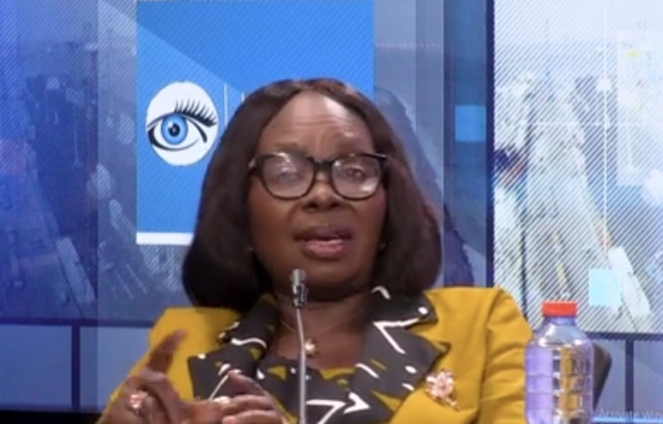
The Director of Marine at the Fisheries Commission, Madam Esi Bordah Quayson, at a media forum powered by the Ghana Ports and Harbours Authority (GPHA), said the exemption was just for one year.
The forum was themed “Sustaining Ghana’s Closed Fishing Season: Science, Policy, and the Future of Fisheries”.
Madam Quayson said just as they did during and before every closed season, the Fisheries Commission would collect the data and do their biological analysis to see the difference between when everyone was observing the season, and when there was an exemption.
She said with that, they would come out with the necessary recommendations to help sustain the country’s fish stock while taking into consideration the economic plight of the coastal community.
She said even though before the introduction of the closed season as a conservation measure, the commission had a lot of consultation with stakeholders and got their agreement, it was normal to have a few people who would object to it.
“All is not lost; we are scientists; therefore, we must find alternative ways to reach the same results. We are not doing the close season alone but also with a moratorium running for three years to reduce effects on the resources,” she said.
Madam Quayson added that her outfit was also pursuing other measures to be implemented soon, disclosing that “the documents are almost ready for the reclassification to put a cap on the size of the canoe.”
Further, the fisheries minister was already talking about the closed area; therefore, they, as scientists, had identified some of the areas that they thought were vulnerable, such as the spawning grounds, feeding and nursery grounds, and resting spots for them to be earmarked for closing, Madam Quayson said.
She said that it was unfortunate that about 80 per cent of the artisanal fishers did not have alternative livelihoods, making it difficult to accept sitting at home for one month without fishing, revealing that “the fishers don’t want to hear anything about alternative livelihoods”.
Madam Quayson said these fishers were even being encouraged to go into aquaculture, but they did not want to, arguing that couldn't wait for the fishes to grow.
Latest Stories
-
Oil prices retreat as investors weigh supply outlook, Middle East tensions
3 minutes -
Mahama Ayariga highlights Jimi reclamation project as effort to tackle flooding
9 minutes -
Ayine pushes duty-lawyer scheme to protect suspects at police stations
16 minutes -
Fire at GRIDCo’s Mallam Substation cuts power to parts of Accra
21 minutes -
Stephen Amoah criticises 20% digital services tax as excessive
22 minutes -
Ghana secures $3.5bn investment commitments to revive oil and gas sector – Jinapor
27 minutes -
Court to hear Wontumi’s bail application today
27 minutes -
DPC flags six companies for data protection breaches
33 minutes -
Chief Justice appointment from outside Supreme Court possible but unlikely – Bentil
34 minutes -
NEDCo replaces faulty transformer at Saasigli
37 minutes -
Dr Seidu Jasaw urges climate financiers to align funding with farmers’ planting seasons
41 minutes -
Bank of Ghana urges public to uphold dignity of local currency
42 minutes -
Global Chairman of World Assemblies of God Fellowship lauds Mahama’s sterling leadership
47 minutes -
Global economy’s resilience nearing limits – IMF
54 minutes -
Trust-building is crucial for sustaining confidence with communities – Police Commander
59 minutes