

Audio By Carbonatix
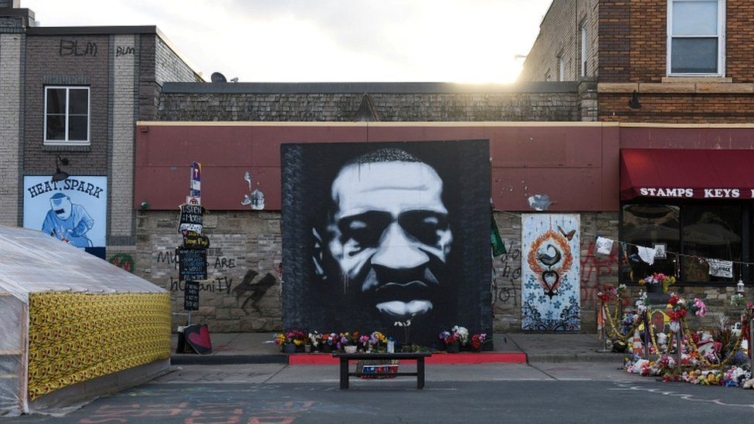
The trial of Derek Chauvin, the white American policeman accused of killing George Floyd in May last year, is due to begin later on Monday.
Mr Chauvin was recorded by passers-by in the city of Minneapolis kneeling on the neck of Mr Floyd, who was black, for more than nine minutes.
The incident sparked protests in the US and across the world against police brutality and racism.
Mr Chauvin, 45, is one of four officers involved to stand trial.
He is facing the most serious charges of the four, including second-degree murder, which carries a sentence of up to 40 years in prison. Mr Chauvin, who was fired from the police, has pleaded not guilty.
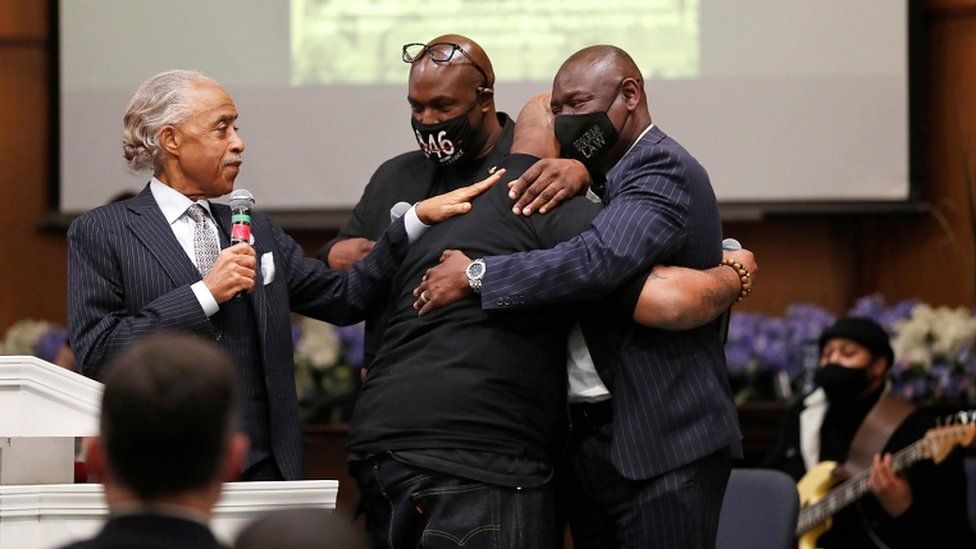
Family and friends of George Floyd held a vigil and prayer service in Minneapolis ahead of the trial.
"We are [a] God-fearing family, we [are] church people. So, therefore, I'm just going to end it on this - we're asking the system for the justice," his brother Terrence said.
Another of his brothers, Philonise Floyd, told reporters on Sunday: "I have a big hole right now in my heart. It can't be patched up... I need justice for George. We need a conviction."
How will the prosecution and defence make their case?
Twelve jurors - plus two alternate (back-up) jurors - will remain anonymous and unseen throughout the televised trial.
Prosecutors are expected to play the video showing Mr Chauvin's knee on Mr Floyd's neck early on in the trial. In order to secure a conviction, they must prove that his conduct was a "substantial causal factor" in Mr Floyd's death.
Mr Chauvin's defence team is expected to focus on the fact that Mr Floyd used drugs before his arrest which may have contributed to his death, along with underlying health conditions, and whether Mr Chauvin followed police procedure.
How were the jurors picked?
Fifteen jurors - nine women and six men - have been selected; nine of them are white and six are black or multiracial.
One juror - who was a back-up option in case a juror dropped out before proceedings began - is expected to be dismissed on Monday, and the trial is expected to go ahead with 12 jurors and two alternates.
They were asked to submit questionnaires describing their existing knowledge of the case, any previous contact with police, and their media habits.
The trial is expected to last for about four weeks.
The courthouse in central Minneapolis has been fortified with concrete barriers, fencing, and barbed and razor wire.
What happened to George Floyd?
The 46-year-old bought a pack of cigarettes at a convenience store in South Minneapolis on the evening of 25 May 2020.
A shop assistant believed he had used a counterfeit $20 bill and called the police after Mr Floyd refused to give the cigarettes back.
Officers arrived and handcuffed him, but when they tried to put him into the squad car, he resisted. A struggle ended with Mr Floyd face down on the pavement.
Mr Chauvin placed his left knee on Mr Floyd's neck, and kept it there for more than nine minutes, according to prosecutors. Two other officers helped pin him down, while another prevented witnesses from intervening.
More than 20 times, Mr Floyd said he could not breathe. The video shows him go limp and get carried away by police.
He was pronounced dead in hospital an hour later.
Latest Stories
-
Imprisonment should be rehabilitative, not punitive – Ghana Prisons boss at UNGA
20 minutes -
Ga Adangbe traditional priests petition Mahama over McDan aviation licence revocation
31 minutes -
Anti-LGBTQ Bill: NDC’s arrogance is worrying – Hassan Tampuli
41 minutes -
Let’s give OSP time to mature, not to scrap it – Hassan Tampuli
45 minutes -
Nigeria convicts 386 Islamist militants in mass trials
50 minutes -
Djibouti president wins election with 97.8% of vote, state media says
55 minutes -
We don’t have mandate to deduct tax from rent allowance of security services personnel – Interior Ministry clarifies
1 hour -
Ablakwa receives Presidential Special Envoy on Reparations to advance global agenda
1 hour -
Christina Koch becomes first woman to travel around the moon on Artemis II
2 hours -
Epstein survivors’ calls to meet King Charles and Queen harder to ignore as US visit approaches
2 hours -
UN Secretary-General names Ghana’s Anita Kiki Gbeho as South Sudan envoy
2 hours -
Mali withdraws recognition of Sahrawi Republic, backs Morocco’s autonomy plan
2 hours -
Gov’t distributes over 8,500 laptops to One Million Coders project
2 hours -
Julius Debrah, ‘man to beat’ as NDC’s James Agbey dismisses Musah Dankwah’s polls
2 hours -
GPRTU in Savannah Region to protest alleged eviction in Damongo
2 hours