

Audio By Carbonatix
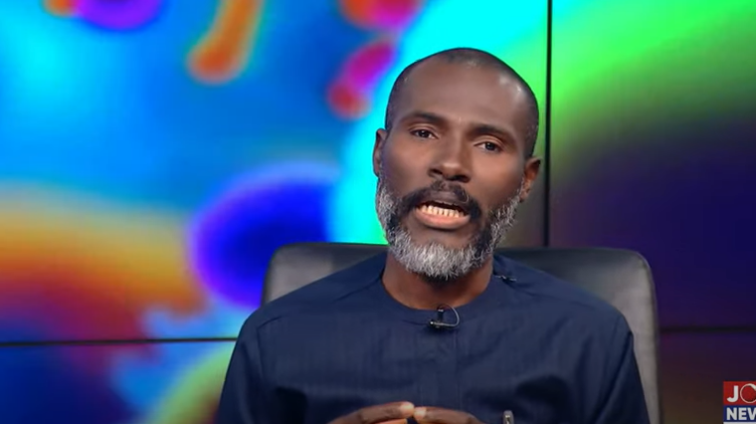
The head of Monitoring and Evaluation at the Ministry of Health, Dr Eric Nsiah–Boateng, is advocating that the government leverage bilateral relations to secure additional funding to support the fight against non-communicable diseases (NCD).
Speaking on the JoyNews 'National Dialogue on "NCD - The Silent Killer', he said that globally, it was a challenge fighting these diseases according to reports from the United Nations High Commissioner for Refugees (UNHCR).
He argued that even in Ghana, the biggest challenge was funding; hence, if the government wants to tackle the problem, it must seek support from its bilateral relations.
“The previous policy, one of the biggest challenges was funding, it was a major issue. We couldn’t get money to implement most of the activities that we did.
"The global community is also recognising the importance of this [NCDs]. So we want to leverage on the bilateral arrangements that we have with our partner countries to get funding support apart from the local ones that we have,” he said.
In the interim, he said the government was using the Nation Health Insurance Scheme to finance some costs of NCDs.
He said this was to help reduce the burden of individuals suffering from the diseases.
Meanwhile, the Ghana Health Service in the Ashanti region is set to launch a door-to-door screening and awareness campaign to combat non-communicable diseases (NCDs), which health experts warn are quietly claiming lives.
“We want to create this awareness about screening. We will go to the doorsteps of everybody. The institutions, churches, markets, lorry stations, schools to alert them and create awareness so they understand the dangers,” said Lydia Owusu Ansah, Regional Coordinator for NCDs.
According to Madam Lydia, a significant proportion of the population affected by these conditions are between 20 and 40 years old, with young people being particularly vulnerable, which is a cause for concern. The region is grappling with a high burden of 20,000 cases of non-communicable diseases.
Madam Lydia emphasises that the initiative will be an ongoing effort, not a one-time event, aiming to make early detection a daily priority.
Latest Stories
-
2026/2027 GPL: Kelvin Nkrumah strike sends Medeama top of league table
4 minutes -
Emmanuel City crowned champions of maiden Global Game Scouting Tournament
13 minutes -
Thomas Partey loses father Jacob Teye Partey
26 minutes -
Martin Kpebu explains when EOCO can arrest Manhyia South MP after securing court warrant
44 minutes -
EOCO’s reasons for seeking Manhyia South MP arrest warrant not justified – Kpebu
47 minutes -
MTN Ghana warns SMEs against sharing PINs amid digital fraud risks
48 minutes -
Yendi nursing students warn restricted access to skills lab could affect their training
49 minutes -
Minority awaits formal notice of arrest warrant for Manhyia South MP – Annoh-Dompreh
52 minutes -
LTIF announces 2026 Pan-African edition in Accra from October 6-7
52 minutes -
Mfantsipim needs broader funding partnerships to bridge infrastructure gap – Prof Baiden
53 minutes -
MP status must not shield anyone from law enforcement – Kwakye Ofosu
1 hour -
EOCO had tactical team ready to arrest Baffour Awuah – Felix Kwakye Ofosu
1 hour -
Afoko can unite NPP’s factions, says Charles Owusu Juanah
2 hours -
Guardiola backing Man City after guilty verdicts
2 hours -
Annoh-Dompreh questions EOCO’s claim that Manhyia South MP was unavailable for questioning
2 hours