

Audio By Carbonatix
A medicinal plant widely used in Ghana for prostate disorders may help slow the growth of prostate cancer by blocking the formation of blood vessels that feed tumours, according to a new study by researchers at the Kwame Nkrumah University of Science and Technology, Kumasi (KNUST) and partner institutions.
The study, published in Cancer Cell International, found that a hydroethanolic root extract of Croton membranaceus significantly suppressed angiogenesis, the process through which new blood vessels form to supply oxygen and nutrients to growing tumours.
The researchers demonstrated that the extract reduced blood vessel density in prostate cancer tissue and disrupted the development of vascular networks in laboratory models.
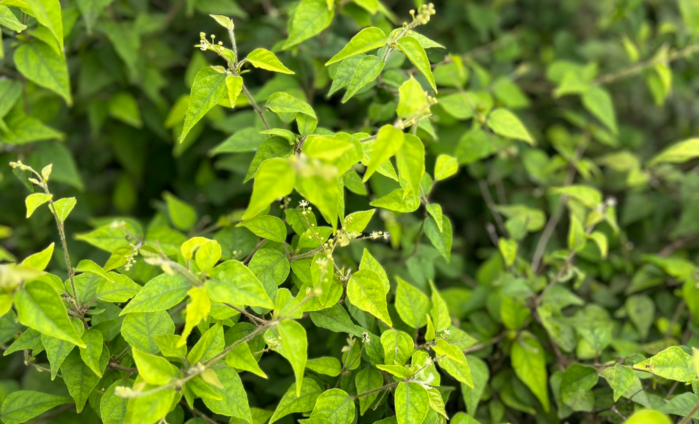
The plant locally known as Bokum is widely used in the management of benign prostatic hyperplasia (BPH), commonly known as prostate enlargement, and related urinary symptoms.
The research team, led by Dr. Kofi Oduro Yeboah of the Department of Pharmacology at KNUST, investigated the effects of the plant extract in rats with zinc-testosterone-induced prostate adenocarcinoma and in chick chorioallantoic membrane (CAM) models commonly used to study blood vessel formation.
The researchers found that treatment with the extract reduced microvessel density in prostate tissue and suppressed the expression of platelet-derived growth factor receptor beta (PDGFRβ), a protein associated with blood vessel development and tumour progression.
In the CAM model, the extract significantly reduced blood vessel density, length and diameter. It also disrupted the normal branching structure of blood vessels, reducing the number of vascular junctions and microcirculatory pathways.
According to the researchers, the findings are particularly important because resistance to existing anti-angiogenic drugs has limited their long-term effectiveness in cancer treatment, creating a need for alternative therapeutic approaches.
Previous studies had already shown that Croton membranaceus could suppress the growth of prostate cancer cells. The latest research provides evidence that one mechanism behind this effect may be the plant's ability to prevent tumours from establishing the blood supply required for continued growth and spread.
The new findings provide scientific evidence that the plant's medicinal benefits may extend beyond symptom management to the suppression of biological processes that drive cancer growth.
“Angiogenesis plays a pivotal role in the growth, progression and metastatic spread of cancer cells,” the researchers wrote. “These findings demonstrate that Croton membranaceus effectively inhibits angiogenesis.”
The researchers noted that while the findings are promising, further studies, including clinical trials in humans, will be required to establish the safety, dosage and effectiveness of the extract as a therapeutic agent.
Latest Stories
-
Prime Insight: Making room for meaningful national conversations on Joy Prime
5 minutes -
FABAG commends Ato Forson’s over removal of 20% excise duty on locally manufactured fruit juices
12 minutes -
HIV stigma discourages testing, prevention and treatment in Ghana – Ghana AIDS Commission
15 minutes -
Blocking cocaine probe lends weight to claims of political protection for traffickers – Assin South MP
18 minutes -
NPP Vice Chair race: I may be the youngest, but most experienced – Nana B
20 minutes -
Last UK and US troops leave Iraq as anti-Islamic State mission ends
20 minutes -
Don’t stay home idle, embrace entrepreneurship while awaiting posting – Unemployed nurses urged
32 minutes -
Aayalolo buses not speeding on contra-flow lanes – GAPTE assures commuters
35 minutes -
Effia MP calls for Kurt Okraku’s removal, overhaul of Ghana football structure
36 minutes -
CAS hearing on AFCON final appeal by Senegalese Football Federation set for October 8
36 minutes -
STC fares to go up by up to 8% this week – Deputy MD
37 minutes -
Photos: Accra-Kumasi bypasses get new lease of life as contractors return to site
37 minutes -
Man allegedly swallows five SIM cards to conceal evidence after arrest
38 minutes -
After three finals, Ayikuma Methodist Basic School finally lifts National Juniors Challenge trophy
38 minutes -
Black Stars management ignored players’ health conditions ahead of Gambia game – Ernest Thompson alleges
40 minutes