

Audio By Carbonatix
The Ghana Publishers Association (GPA) on Tuesday, March 10, launched its 50th anniversary celebrations with renewed calls to strengthen Ghana’s publishing industry, promote indigenous literature and expand the reach of locally produced books.
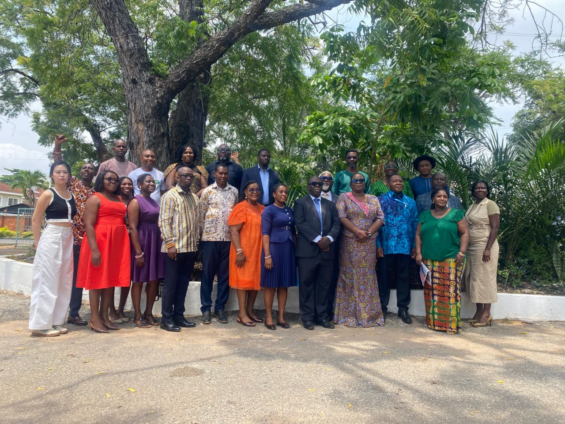
The commemorative event, held at the Ghana Press Centre on March 10, brought together publishers, authors, educators, policymakers and development partners to reflect on five decades of indigenous publishing in Ghana and chart a path for the future.
Speaking at the launch, the President of the GPA, Edward Yaw Udzu Esq., described the anniversary as a defining moment in Ghana’s intellectual and cultural journey.
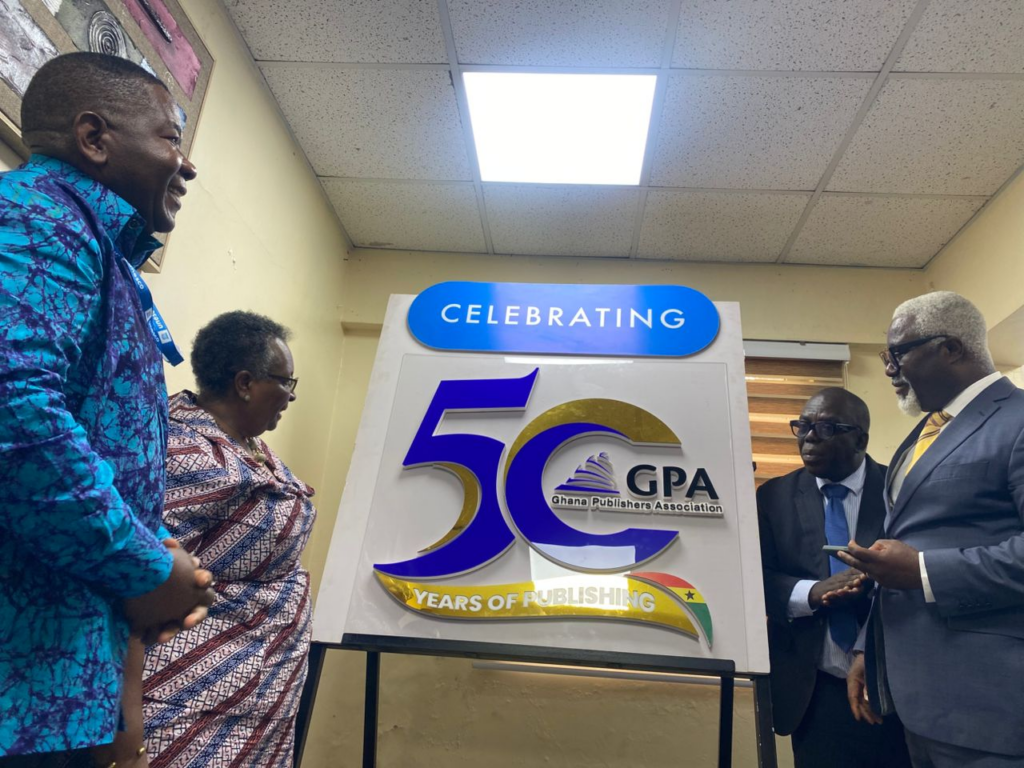
According to him, the Association was founded in 1976 when a group of Ghanaian publishers resolved to change the dominance of foreign books in the country’s schools and classrooms.
“Fifty years ago, visionary Ghanaian publishers came together with a bold conviction—that Ghana must tell her own stories, publish her own knowledge and shape her own intellectual destiny,” he said.
Mr Udzu noted that before the formation of the Association, many textbooks used in Ghanaian schools were produced abroad, leaving little room for local perspectives and cultural representation.
With support from the United Nations Educational, Scientific and Cultural Organization (UNESCO), indigenous publishers began producing locally authored books that reflected Ghana’s history, traditions and lived realities.

“From then on, Ghanaians were able to own their stories, own their curriculum and disseminate knowledge to the population through publishing,” he said.
The anniversary is being marked under the theme “50 Years of Indigenous Book Publishing: Our Stories, Our Future.”
Mr Udzu explained that the theme highlights the importance of Ghanaian narratives in shaping national identity and preserving cultural heritage.
For many years, he noted, African stories were often written and interpreted by outsiders, but indigenous publishing has helped to correct that imbalance.

Through textbooks, novels, biographies, academic publications and children’s literature, Ghanaian publishers have contributed significantly to preserving local languages, traditions and historical memory.
“When Ghanaian children read books written by Ghanaian authors and published by Ghanaian publishers, they do more than read stories—they discover themselves,” he said.
“They understand their history and begin to imagine their future.”
Reflecting on the Association’s journey over the past five decades, Mr Udzu said the publishing industry has played an important role in supporting education and national development.
Publishers have produced textbooks and learning materials that support Ghana’s education system while also nurturing local writers, editors and illustrators.
The sector has also created employment opportunities across the book value chain, including printing, bookselling and library services.

Beyond publishing, the GPA has engaged government institutions, educational authorities and development partners to advocate policies that support the local book industry.
Through book fairs, reading campaigns and partnerships with schools and libraries, the Association has also worked to promote a stronger reading culture among young people.
“A strong publishing industry is not only a cultural asset,” Mr Udzu remarked. “It is a strategic national resource.”
Also addressing the gathering, the Managing Director of the Ghana Publishing Company, Nana Kwasi Boatey, urged publishers and writers to place greater emphasis on commercialising their creative works.
While acknowledging the role of publishers in preserving Ghana’s cultural narratives, he said the industry must also focus on transforming literary creativity into economic value.
“When I think about publishing, I get a little sad,” he said. “We are too committed to the art, but where is the commercialisation?”
Mr Boatey encouraged authors and publishers to partner with professionals who understand marketing and distribution in order to expand the reach and profitability of Ghanaian books.
“I would encourage you to partner with people who know how to sell your stories and make you rich,” he said.
Mr Boatey also highlighted the growing importance of digital technology in the publishing industry, noting that new platforms offer opportunities to reach wider audiences.

He cited the increasing influence of social media platforms such as Facebook and Instagram in promoting storytelling and generating revenue through digital engagement.
According to him, the Ghana Publishing Company is investing in digital infrastructure and developing an online e-book platform to make Ghanaian publications more accessible.
“We are creating an e-book shop,” he revealed, adding that the initiative aims to support publishers and expand the availability of Ghanaian literature.
The UNESCO Representative to Ghana, Edmond Moukala N’Gouemo, also praised the GPA for its contributions to preserving Ghana’s cultural identity and promoting intellectual independence.
“Fifty years of dedication to the written word is not just a corporate anniversary,” he said. “It is a celebration of the preservation of the Ghanaian soul and the strengthening of its intellectual sovereignty.”
Mr N’Gouemo described books as powerful instruments for disseminating knowledge and advancing cultural identity.

He said indigenous publishing plays a vital role in reclaiming Africa’s education system by ensuring that textbooks and learning materials reflect the realities and values of African societies.
“When a Ghanaian student opens a book published locally and written by a fellow citizen, they are not just acquiring literacy—they are acquiring dignity,” he said.
Mr N’Gouemo also emphasised the importance of publishing in indigenous languages, noting that language is a repository of cultural knowledge and heritage.
He referenced the International Decade of Indigenous Languages (2022–2032), which aims to promote and preserve linguistic diversity globally.
By publishing books in languages such as Akan, Ewe, Ga and Dagbani, he said Ghanaian publishers are helping to ensure that these languages remain vibrant and relevant in modern society.
“A vibrant local language publishing industry is the best defence against the homogenisation of culture,” he said.
The Deputy Director-General for Technical Services at the National Council for Curriculum and Assessment (NaCCA), Eric Amoah, also congratulated the GPA for its achievements.

In remarks delivered on his behalf by Esther Arthur, Mr Amoah highlighted the essential role publishers play in Ghana’s education ecosystem.
“Curriculum is incomplete without quality books that bring learning to life,” he said.
He noted that publishers, authors and educators form the backbone of the national book and education value chain, ensuring that learners across the country have access to relevant and culturally grounded materials.
As part of the anniversary celebrations, the GPA has outlined a year-long programme of activities, including workshops for authors and illustrators, reading campaigns in schools and industry engagements aimed at strengthening the publishing ecosystem.
Mr Udzu said the Association will also organise book marketing and capacity-building programmes to help publishers expand the reach of their publications.

He urged the government to recognise the strategic importance of the publishing industry and provide greater support to enable it to thrive.
“This is an industry that has come to stay,” he said.
“But government must see that publishing contributes to national development and invest in the industry.”
Latest Stories
-
Power restoration fault suspected in Kumasi Central Market fire
3 hours -
The 7-foot giant of Ngleshie Amanfro: Seven-foot Ghanaian Ephraim Saawa dreams of joining the national basketball team
4 hours -
Government promises support for Kumasi Central Market fire victims
4 hours -
Vibes The Movie: Big Ghun’s Ghanaian film earns five nominations at 2026 REFFA
4 hours -
MamaCare CEO warns unresolved conflicts among health workers could undermine maternal and neonatal care
5 hours -
Health professionals urged to translate medical knowledge into practice to save mothers
5 hours -
Conflicts among care providers linked to maternal, neonatal deaths – Expert
6 hours -
GIS marks 10th TIME conference, champions improved teaching practices
7 hours -
BRICS Or Balance? What Ghana’s bid really means
7 hours -
GPRTU wants full TRAFFITECH-GH implementation to start in 2027
7 hours -
Mahama announces plans to import electric wheelchairs for PWDs
7 hours -
KGL U17 Colts 2026: Western beat Prempeh Elite Academy to set up final final with Greater Accra Region
8 hours -
Late Solanke strike salvages 10-man Spurs draw at Man United
8 hours -
Gender Ministry to monitor welfare of Nana Akua Addo’s children amid domestic violence case
8 hours -
Benedict Okyere Yeboah: Ghana’s football problem goes beyond sacking a coach
8 hours