

Audio By Carbonatix
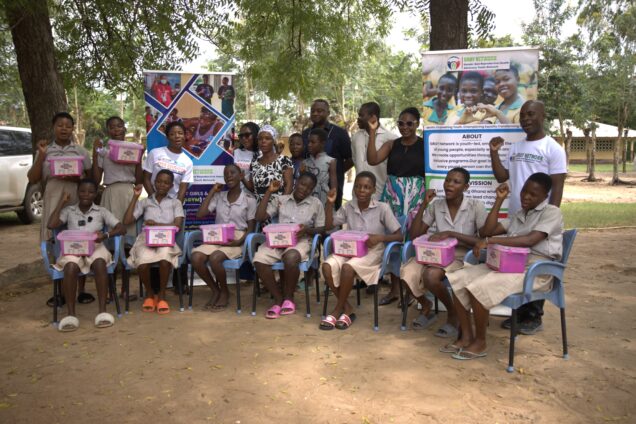
A menstrual hygiene project initiated by GRAY Network has significantly promoted inclusive education in the Central and South Tongu Districts in the Volta Region.
The project led to decreased absenteeism, increased confidence, and a safe, supportive environment for young girls to thrive both in school and within their communities.
It was titled Strengthening Volunteer-Led Sexual and Reproductive Health and Rights (SRHR), Menstrual Hygiene Management (MHM), and Life Skills Education in Schools and Communities, sponsored by STAR-Ghana Foundation.
School-based Menstrual Hygiene Management Clubs were established as part of the initiative, where community sensitisation sessions were held, and parents were engaged.
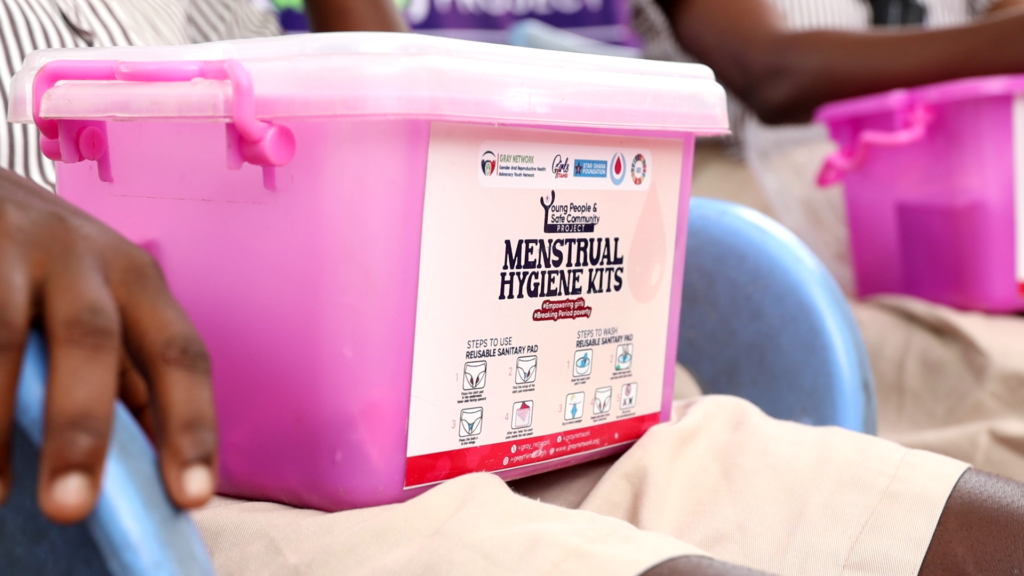
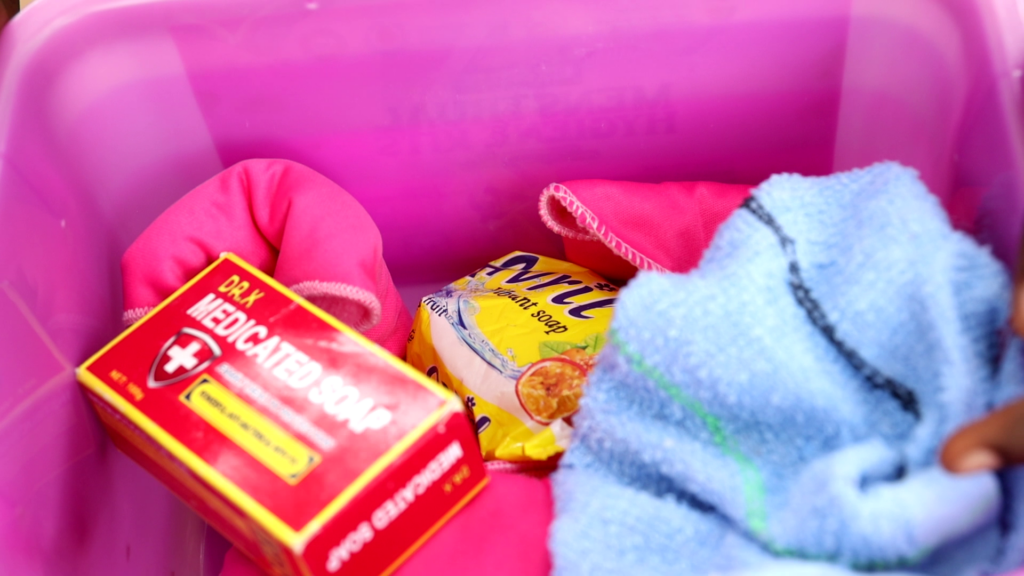
Implementation of the project introduced young females to producing reusable sanitary facilities, provided with menstrual hygiene kits, trained volunteers to supervise beneficiaries, and distributed reusable sanitary pads to adolescent girls.
Through a unique volunteer-led approach, GRAY Network trained teachers, nurses, community health volunteers, seamstresses, and peer educators to deliver comprehensive education on menstrual hygiene management, sexual and reproductive health and rights, life skills, and gender equality.
The project, piloted at Atsieve D/A Basic School and Lakpo D/A Basic School, has demonstrated that investing in menstrual health promotes quality education, gender equality, and contributes to shaping the country’s future.
Beyond improving girls' participation in education, the initiative has transformed school culture. Boys who took part in the educational sessions developed a better understanding of menstruation, challenged harmful myths, reduced teasing, and became active supporters of their female classmates.
Teachers in the beneficiary schools described this positive behavioural change as a major factor in creating safer, more respectful, and inclusive learning environments.
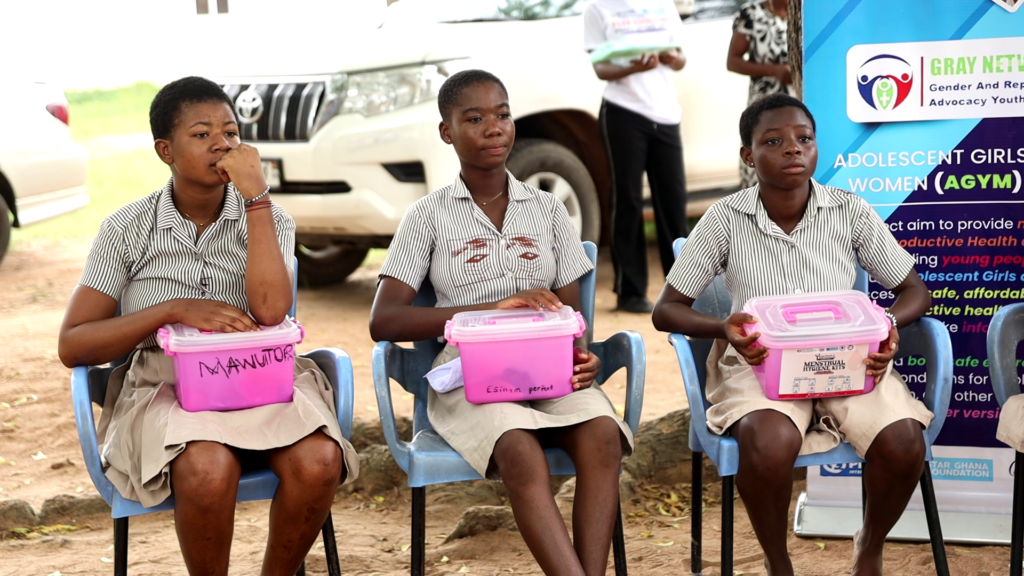
They explained that the clubs have grown into platforms that not only provide menstrual health education but also foster leadership, communication, public speaking, peer mentoring, and advocacy skills among students.
These clubs continue to empower learners to educate one another while promoting dignity and gender equality within their schools.
The impact of the project extends beyond classrooms into homes and communities, with parents reporting improved understanding of menstrual hygiene, better communication with their daughters, reduced household expenditure on sanitary products, and increased confidence in supporting girls throughout their education.
Families also indicated that savings from reusable sanitary pads are now being redirected towards educational expenses such as books, uniforms, school bags, and future Senior High School education.
According to Madam Esinam Tekpor, the South Tongu District Girl Child Coordinator of the Ghana Education Service, the intervention has significantly improved the overall school environment.
"Education cannot be achieved when learners face barriers that prevent them from participating fully in school. This project has demonstrated that addressing menstrual health is essential to ensuring every child has an equal opportunity to learn, participate, and succeed,” she said.
She mentioned that teachers across the beneficiary schools unanimously reported positive changes among girls following the intervention.
“They observed increased confidence, regular school attendance, improved classroom participation, stronger relationships with teachers, greater willingness to discuss menstrual health issues, and better academic engagement,” she added.
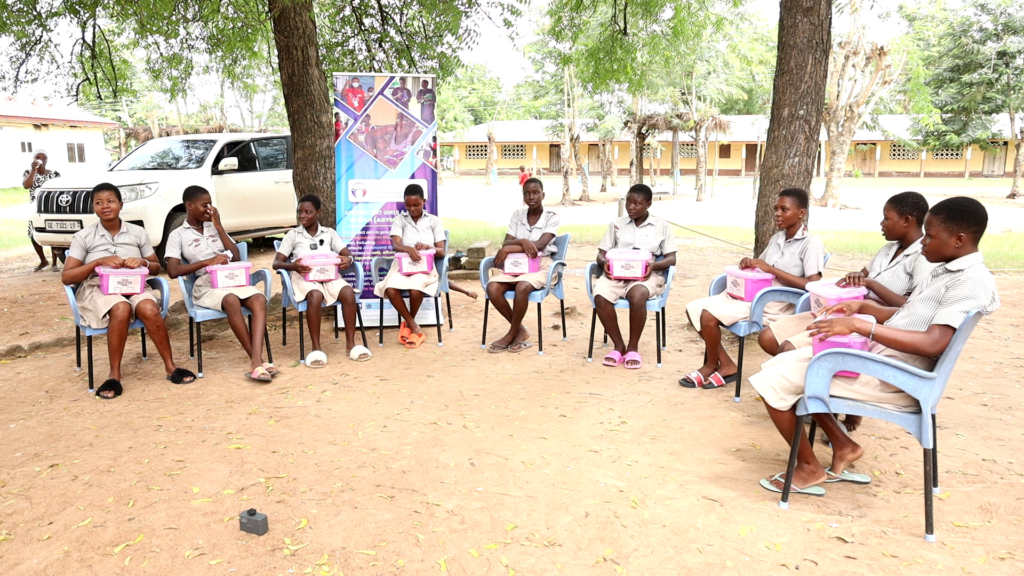
She also highlighted a significant reduction in menstruation-related absenteeism after girls gained access to reusable sanitary pads and menstrual hygiene education.
She stressed that sustainable educational progress requires collaboration among schools, families, health institutions, and community partners.
"What makes this initiative exceptional is that it goes beyond distributing reusable sanitary pads. It strengthens the entire educational ecosystem by engaging teachers, parents, community leaders, health professionals, and students themselves. When communities work together, schools become safer, more inclusive, and more responsive to the needs of every learner."
Latest Stories
-
Government tackling drug trafficking head-on – Tanko-Computer assures
40 minutes -
Climate, conflict and the struggle for resources: Why peacebuilding must look beyond the battlefield
44 minutes -
GRAY Network’s Menstrual Health project transforms education in Central and South Tongu
53 minutes -
Green finance goes beyond banks and big corporations to driving climate and environmental solutions – Nanabanyin Addo-Brown
56 minutes -
The journey is short
60 minutes -
Teacher unions give government September 24 deadline to resolve promotion arrears
1 hour -
Restoring BDC confidence helped turn around TOR – MD
1 hour -
Chipper Cash launches bank-backed virtual accounts through collaboration with Universal Merchant Bank in Ghana
1 hour -
I’m beginning to suspect NPP members may be involved in drug trafficking – Mustapha Gbande
1 hour -
How hasty reading and inattention to complex texts may affect Ghanaian learners’ comprehension
1 hour -
Public transport fares to increase by 8% from September 26
1 hour -
How a $125m plant meant to fix Teshie-Nungua’s water crisis became a $235m judgment debt
1 hour -
NPP calls for parliamentary inquiry into cocaine trafficking concerns
1 hour -
Appiatse redevelopment enters final phase with 69 new housing units
1 hour -
Ahafo Ano South West DCE was tipped to win parliamentary for NDC seat in 2028 – Ashanti Region NDC Chairman
1 hour