


Audio By Carbonatix
A Ghanaian-led private equity transaction involving two of the country’s most recognised textile brands, GTP and Woodin, is putting local ownership and homegrown investment expertise at the center of the conversation about the future of African businesses.
The acquisition, led by private equity professional Kofi Kwakwa through Olive Africa Partners Fashions, marks a new chapter for GTP and Woodin, two brands that have played a significant role in Ghana’s textile and fashion industry.
GTP has been part of Ghana’s textile landscape since 1966, while Woodin grew into one of the country’s most recognizable fashion and lifestyle textile brands. Over the decades, both brands have developed strong associations with Ghanaian fashion, culture and ceremonial wear.
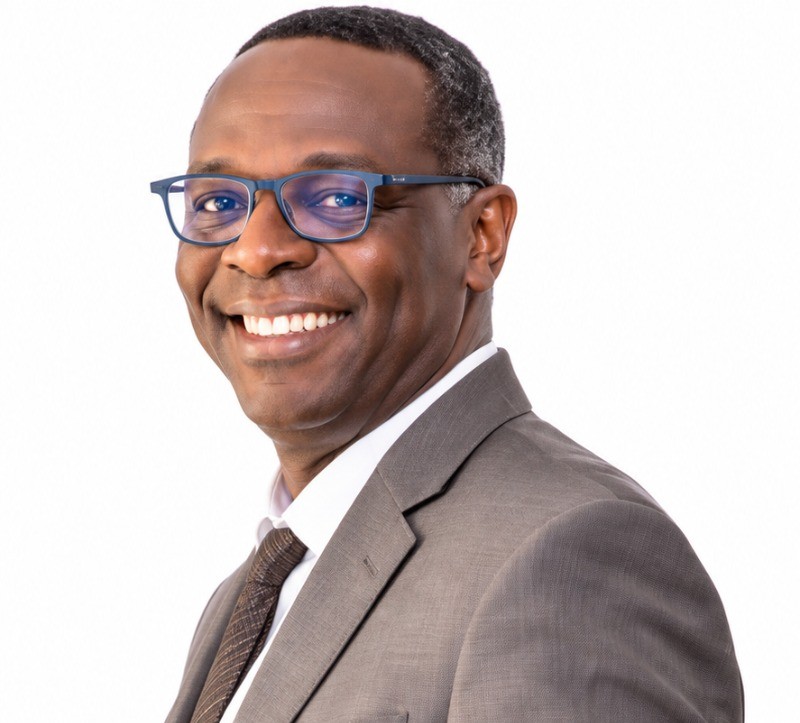
Under the new ownership structure, Olive Africa Partners Fashions will control TexStyles Ghana, as well as the trademarks associated with GTP and Woodin.
Beyond the commercial significance of the transaction, the acquisition highlights an emerging trend in Africa’s private equity market: the use of local investment expertise and capital to acquire, restructure and grow established businesses rather than building new ventures from the ground up.
This distinction is important for African economies where some of the most valuable businesses already have established brands, distribution networks, employees and customer bases but require fresh capital, stronger governance and strategic management to unlock their next phase of growth.
From start-ups to acquisitions
Much of the discussion around entrepreneurship and private capital in Africa has traditionally focused on start-ups and venture capital. While new businesses remain important, private equity is increasingly demonstrating the value of acquiring existing companies with established operations and transforming them through capital, management and strategic expertise.
The GTP and Woodin transaction is an example of that approach. Rather than creating another textile business from scratch, the investment brings new ownership and potentially fresh capital and management to brands that already have deep roots in the Ghanaian market.
For Africa, this model could have important implications for ownership and wealth creation. When established businesses remain under African ownership and are supported by African investment professionals, a greater share of the economic value created from their growth can potentially remain within the continent.
It also creates opportunities for local fund managers to demonstrate their ability to execute complex acquisitions, strengthen governance and build businesses for long-term growth.
Local expertise matters
The growing role of African private equity managers is particularly significant because successful acquisitions require more than capital.
They require an understanding of local markets, consumer behaviour, regulatory environments, management structures and the challenges businesses face on the ground.
Chief Executive Officer of the Ghana Venture Capital and Private Equity Association (GVCA), Amma Gyampo, believes the transaction demonstrates the importance of that expertise.
“This deal showcases the distinct technical expertise of local private equity fund managers actively reclaiming and scaling legacy assets,” Ms Gyampo said.
She added that the success of such investments depends on strong governance, management capacity and technical private equity expertise.
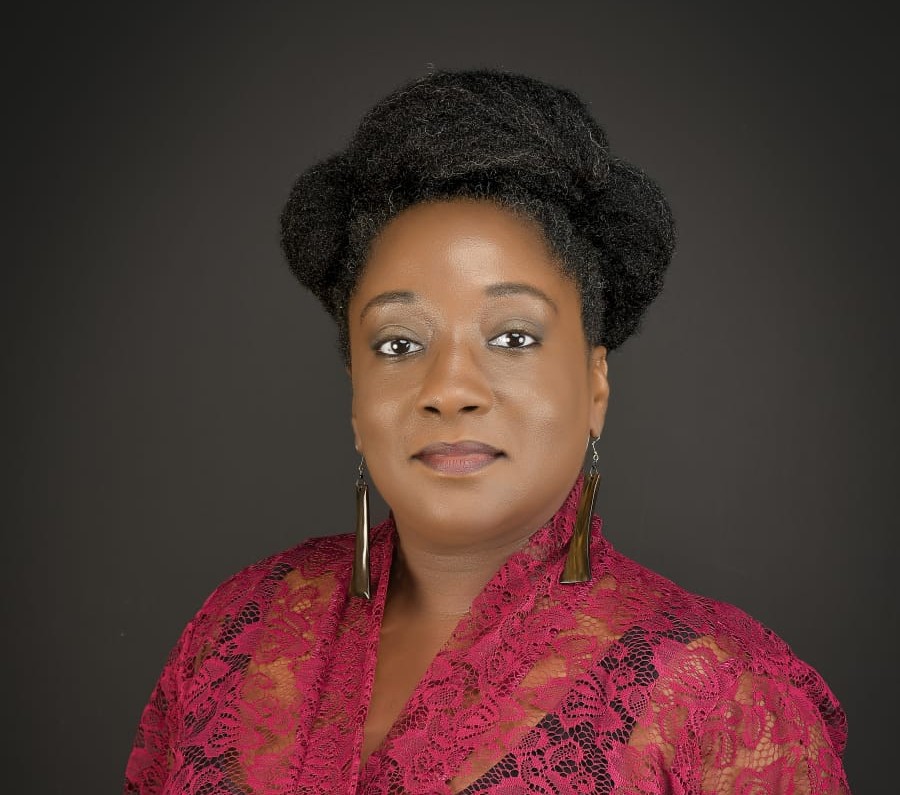
“Deals like the Olive Africa acquisition demonstrate that rigorous governance, management capacity building, and technical private equity fund management expertise are exactly what drive both superior financial returns and deep development impact,” she said.
For Ms Gyampo, the ownership dimension is equally important.
“It is important for wealth creation and ownership to be sustained and rooted within our own markets,” she added.
The acquisition also raises a broader question about how African capital can be deployed to create sustainable businesses.
Start-ups can introduce new ideas, technologies and business models, but acquisitions offer investors an opportunity to strengthen companies that already have products, employees, customers and market recognition.
For private equity investors, this can mean identifying businesses with untapped potential and providing the capital and expertise needed to reposition them for growth.
For the wider economy, the benefits can extend beyond the companies themselves. Well-managed growth businesses can support employment, create demand for local suppliers, strengthen distribution networks and contribute to the formalization of economic activity. This is where local private equity can play a particularly important role.
Private sector growth firms are central to economic development, but capital alone is rarely enough. Businesses also need governance, strategic direction, operational discipline and access to networks that can help them expand.
Local private equity managers are increasingly positioning themselves to provide that combination.
A test for African private equity
The GTP and Woodin acquisition comes at a time when private equity across Africa continues to evolve, with investors increasingly looking beyond traditional approaches to deploying capital.
For local fund managers, transactions involving established African businesses provide an opportunity to demonstrate that homegrown investment firms can compete in complex transactions and create value through active ownership.
The bigger test, however, will be what happens after the acquisition.
The real measure of success will be whether the new ownership can restore and expand the brands, strengthen their competitiveness, preserve and create jobs, deepen local supply chains and position GTP and Woodin for sustainable growth.
If that happens, the transaction will represent more than a change in ownership.
It will provide a practical example of how African private capital can help keep strategic businesses in African hands while using professional investment and management expertise to build greater value from assets that already exist.
For Ghana’s private equity industry, that may ultimately be one of the most important shifts underway: moving from simply financing new businesses to actively acquiring, rebuilding and scaling the businesses that already form part of the country’s economic and industrial heritage.
Latest Stories
-
SMEs can use vehicles, movable assets as collateral under Borrowers and Lenders Act
26 seconds -
Two dead in Canada after vehicle hits pedestrians taking part in First Nations event
3 minutes -
Cornell case highlights ‘draining’ maze for victims to report campus sex assaults
4 minutes -
Konadu Irrigation Project reaches 96% completion, set for commissioning in one month
4 minutes -
Joyce Bawah Mogtari calls for sustained investment in Ghana’s legal profession
8 minutes -
Close salary gap between lower bench and superior court judges—JUSAG
9 minutes -
Police arrest three over GH¢100,000 ransom demand in Yendi kidnapping case
13 minutes -
Mahama urges Microsoft to support digital skills, cybersecurity and jobs in Ghana
21 minutes -
Justice system depends on lawyers’ integrity and commitment – Joyce Bawah Mogtari
22 minutes -
CSSPS resolves 83% of placement issues, day-to-boarding requests dominate outstanding cases
23 minutes -
Hohoe floodwaters recede, leaving over 5,000 homeless
34 minutes -
Three arrested after drones allegedly flown over EOCO headquarters during Baffour Awuah probe
35 minutes -
Gender Ministry urges Ghanaians to see older persons as contributors, not beneficiaries
38 minutes -
Flydubai passenger describes hugging his children as plane nosedived during attack
38 minutes -
Africa’s richest man launches Kenya oil refinery despite land protests
39 minutes