

Audio By Carbonatix
Menstrual cramps, also known as dysmenorrhea, are a common experience for many girls and women during their monthly periods.
They occur when the muscles of the uterus contract to help shed its lining. For some, the discomfort is mild, while for others, the pain can be intense enough to interfere with school, work, and daily activities.
The good news is that there are several effective ways to manage menstrual cramps and feel more comfortable during your period.
1. Apply heat to the lower abdomen
One of the most effective and natural remedies for menstrual cramps is heat therapy. Placing a hot water bottle, heating pad, or warm towel on your lower abdomen helps relax the uterine muscles and improves blood flow, reducing pain and tension.
A warm bath or shower can provide similar relief and also help your body relax.
2. Take over-the-counter pain relievers
Nonsteroidal anti-inflammatory drugs (NSAIDs) such as ibuprofen and naproxen are commonly used to relieve menstrual cramps. These medications work by reducing prostaglandins, the hormone-like substances responsible for uterine contractions and pain.
They tend to work best when taken as soon as cramps begin, or even just before your period starts if your cycle is predictable.
Always follow the instructions on the package and consult a healthcare professional if you have any medical conditions or concerns
3. Stay physically active
Although exercising while in pain may seem difficult, light physical activity can significantly reduce menstrual discomfort.
Walking, stretching, yoga, and other gentle exercises stimulate the release of endorphins, which are the body’s natural painkillers. Regular exercise throughout the month may also help reduce the severity of cramps over time.
4. Drink plenty of water
Staying hydrated can help reduce bloating and ease discomfort during menstruation. Warm beverages such as herbal teas, warm lemon water, or ginger tea may provide additional relief by relaxing muscles and reducing inflammation.
Limiting caffeine and sugary drinks may also help, as these can worsen bloating and irritability.
5. Eat a balanced diet
What you eat can influence how severe your cramps feel. Foods rich in magnesium, calcium, omega-3 fatty acids, and vitamins B1 and B6 may help reduce menstrual pain. Good choices include leafy vegetables, bananas, nuts, seeds, fish, and whole grains.
Cutting back on salty foods, processed snacks, and excessive sugar can help minimise bloating and discomfort.
6. Reduce stress
Stress can make menstrual cramps feel worse. Relaxation techniques such as deep breathing, meditation, listening to calming music, and getting enough sleep can help your body cope better with pain. Even taking a short break to rest can make a noticeable difference.
7. Try a gentle massage
Massaging the lower abdomen or lower back can relax tight muscles and improve circulation. Some people find that using essential oils such as lavender or peppermint diluted in a carrier oil provides additional soothing effects.
Massage can be especially helpful when combined with heat therapy.
8. Rest in comfortable positions
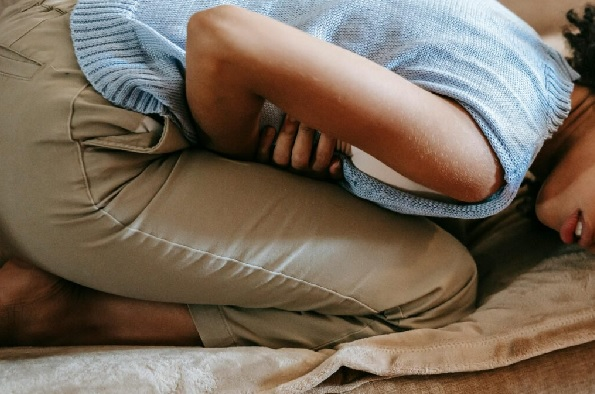
Certain body positions may ease cramping. Curling up on your side with your knees bent or lying flat with a pillow under your knees can reduce pressure on the abdominal muscles. Resting when your body feels tired is an important part of managing menstrual discomfort.
9. Track your menstrual cycle
Keeping a record of your menstrual cycle can help you anticipate when cramps are likely to begin. With this information, you can prepare by having pain relievers, heating pads, and comfortable clothing ready ahead of time.
Many people use journals or apps to track symptoms and identify patterns.
10. Know when to see a doctor
While mild to moderate cramps are common, severe pain should not be ignored. Consult a healthcare professional if your cramps
• Prevent you from attending school or work
• Become worse over time
• Are accompanied by very heavy bleeding
• Begin suddenly after years of relatively painless periods
• Do not improve with home remedies or pain medication
Severe menstrual pain may be linked to conditions such as Endometriosis, uterine fibroids, or pelvic infections
Conclusion
Menstrual cramps can be uncomfortable, but they do not have to control your life. Simple strategies such as using heat, staying active, eating nutritious foods, reducing stress, and taking appropriate medication can make a significant difference.
By understanding your body and responding to its needs, you can manage menstrual pain more effectively and continue with your daily activities in greater comfort.
Latest Stories
-
Engage Now Africa to construct a 10-unit classroom block for struggling Navrongo Vocational Training Centre
2 minutes -
One digital financial breach could expose linked accounts to fraud – Financial Crimes Manager
6 minutes -
Ghana Russia Centre signs ICT cooperation agreement with Moscow University
10 minutes -
The powerhouses of the village: Honouring Ghana’s rural women on International Rural Women’s Day
11 minutes -
Vincent Assafuah petitions CHRAJ to investigate alleged irregularities in 2026 World Cup visa arrangements
12 minutes -
12-year-old boy found dead in muddy pit at Opeikuma
13 minutes -
GHS begins Yellow Fever vaccination campaign in three Upper West districts
14 minutes -
Organised Labour pushes for higher 2027 base pay despite slowing inflation
16 minutes -
Parliament’s Human Rights Committee demands swift justice in Obuasi SHTS sexual abuse case
26 minutes -
From Campaign Propaganda to Gov’t Accountability: When the message-makers demand a seat at the table
45 minutes -
Ashanti Region Security Coordinator warns sand winners to stay off Accra–Kumasi Expressway site
49 minutes -
PZ Cussons Ghana promotes hand washing among schoolchildren through Camel campaign
1 hour -
30 NDC aspirants file nominations in Upper West as regional election approaches
1 hour -
UPSA launches laptop assembly plant, requiring new students to assemble their own devices
2 hours -
UCC sociologist calls for action on gender inequality to end child marriage
2 hours