

Audio By Carbonatix
Despite global commitments like the UN’s 2030 Agenda and its 17 Sustainable Development Goals – including SDG 2 on ending hunger and improving nutrition – food insecurity continues to affect more than 1 billion people worldwide.
To address this challenge, innovative local solutions are emerging. In Ghana, a new wave of young entrepreneurs is pioneering aquaponics, a sustainable farming method that integrates aquaculture (fish farming) with hydroponics (soil-less plant cultivation). This innovative approach addresses food security challenges while promoting environmentally friendly agricultural practices.
Pioneering Youth-led Aquaponics Initiatives
Glean Aquaponics is a social enterprise project that promotes efficient food production by growing fish, such as catfish and tilapia, alongside vegetables like lettuce and tomatoes, using minimal water and space. Its closed-loop system recycles fish waste to nourish plants, conserving resources and reducing environmental impact. To date, the project has reached approximately 2,000 households and provided training for over 500 individuals.
In the Ashanti Region, African Youth Employment Initiatives (AYEI) has developed a solar-powered, aquaponics-based food system to empower rural youth and women. Using locally sourced materials, their raised fishponds recycle fish waste to fertilise nearby vegetable gardens, eliminating the need for chemical inputs. The initiative promotes self-employment and community development through hands-on training in aquaponics construction and maintenance. AYEI has completed seven projects and operates in 10 countries, reaching over 1,000 beneficiaries globally.
Additionally, institutions such as the Youth Employment Agency (YEA) and the International Water Management Institute (IWMI), with support from the Ministry of Fisheries and Aquaculture Development, have launched a training programme to equip young people across the country with the skills needed to pursue careers in aquaculture and create sustainable employment opportunities.
Aquaponics as a Tool for Food Security and Economic Empowerment
Aquaponics presents a viable solution to Ghana's food security challenges, particularly in urban and peri-urban areas where land and water resources are limited. By enabling year-round production of fish and vegetables, these systems contribute to a steady food supply and offer alternative income streams for households.
The integration of aquaponics into community development projects also addresses youth unemployment by providing training and entrepreneurial opportunities in sustainable agriculture.
Support and Recognition for Youth-led Agricultural Innovation
Organisations like the Kosmos Innovation Center (KIC) and the Mastercard Foundation have been pivotal in supporting young agripreneurs. In 2024, 24 startups received seed funding to scale their agricultural innovations, many of which focus on sustainability and environmental responsibility.
Complementing these grassroots efforts, the Zayed Sustainability Prize recognises and rewards proven solutions across Health, Food, Energy, Water, Climate Action, and Global High Schools. Since its launch in 2008, it has positively impacted over 400 million lives worldwide, reflecting the vision of the UAE’s founding father, Sheikh Zayed bin Sultan Al Nahyan.
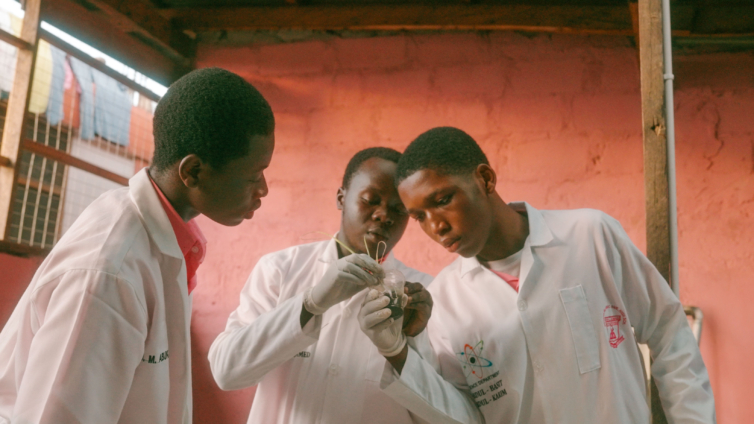
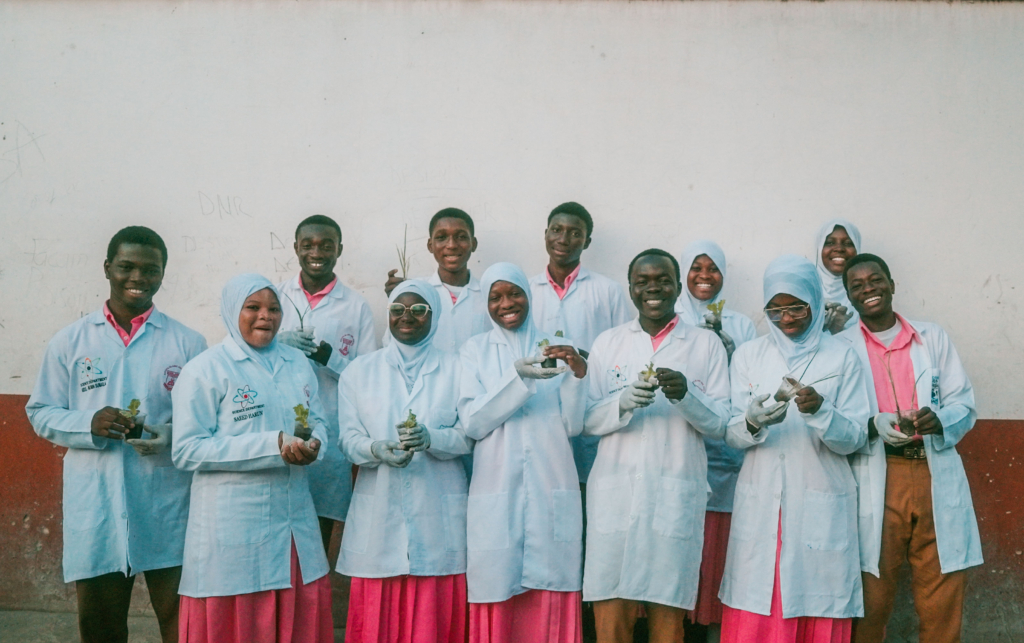
Sakafia Islamic Senior High School in Kumasi, Ghana, won the 2025 Zayed Sustainability Prize in the Global High Schools – Sub-Saharan Africa category for its innovative aquaponics project.
Designed to tackle food insecurity and promote sustainable agriculture, the project will establish a full-scale urban aquaponics system that efficiently produces fish and vegetables while reducing water usage and environmental impact. The US$150,000 award will enable the school to integrate the system into its curriculum, providing hands-on training for about 50 students and benefiting over 1,000 people through access to fresh produce and training workshops.
The project will also serve as a community hub to promote sustainable farming practices. Since 2013, 62 schools have been recognised, impacting over 56,590 students and 480,660 community members.
The rise of young entrepreneurs in Ghana’s aquaponics sector marks a shift toward sustainable agriculture and food security. With innovation, community engagement, and support from development partners, these youth-led projects are feeding communities while promoting economic empowerment and environmental sustainability. Their continued growth offers strong potential for a more resilient agricultural future in Ghana.
Latest Stories
-
A source of excellence across generations – Vice President Opoku-Agyemang lauds Mfantsipim
54 minutes -
(Photos) Mfantsipim School launches historic 150th anniversary
1 hour -
Knights and Ladies of Marshall group backs Catholic Bishops’ stance on anti-LGBTQ+
2 hours -
Bright Simons writes: All the Filla in the Ibrahim Mahama/E&P – Gold Fields Saga
3 hours -
Monetise Idiocy In Ghana
3 hours -
The Ghanaian prophet and the mysterious death of his scottish wife Charmain Speirs
4 hours -
Nearly 400 sentenced in Nigeria for links to militant Islamists
4 hours -
Ghana’s recovery supported by gold strength despite global oil price pressures – Standard Bank Research
4 hours -
Methodist Church hails Mfantsipim@150; calls for “fresh consecration” to excellence
4 hours -
‘Excellence is our inheritance’ – Nana Sam Brew-Butler hails Mfantsipim’s 150-year reign in leadership
4 hours -
Kwaku Azar writes: A-G vs OSP
5 hours -
Mfantsipim–Adisadel rivalry built excellence, not division – Sam Jonah
5 hours -
Vice President launches Mfantsipim’s 150 years of shaping Ghana’s greatest mind
5 hours -
I assure Otumfuo, Mahama will join him to commission KNUST Teaching Hospital by end of this year – Haruna Iddrisu
6 hours -
Barcelona dominate derby to extend La Liga lead
6 hours