

Audio By Carbonatix
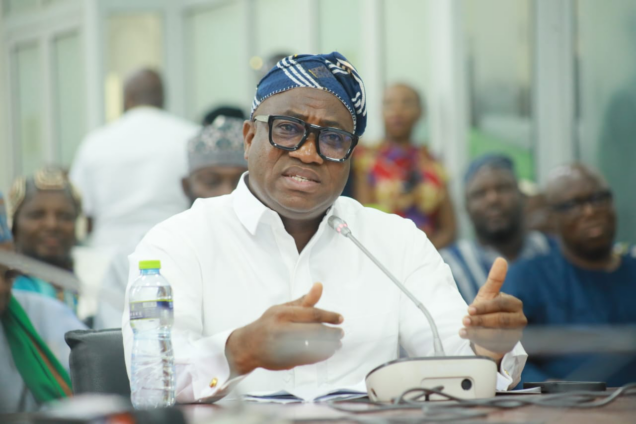
Nominee for Minister of Environment, Science, Technology, and Innovation, Murtala Mohammed, has stated that he has no reservations about the consumption of genetically modified organisms (GMOs) as long as they are certified safe by the relevant authorities.
During his vetting on Thursday, January 30, the Okaikwei North MP, Patrick Boamah, questioned him on his stance regarding the ongoing GMO debate and whether the country should consider banning genetically modified foods.
In response, Murtala Mohammed stated that the food scarcity challenges faced by developing nations necessitate a balanced approach rather than outright prohibition.
“There is a debate about whether we should continue consuming GMOs, and I think that debate is also occasioned by food scarcity, particularly in many developing countries,” he noted.
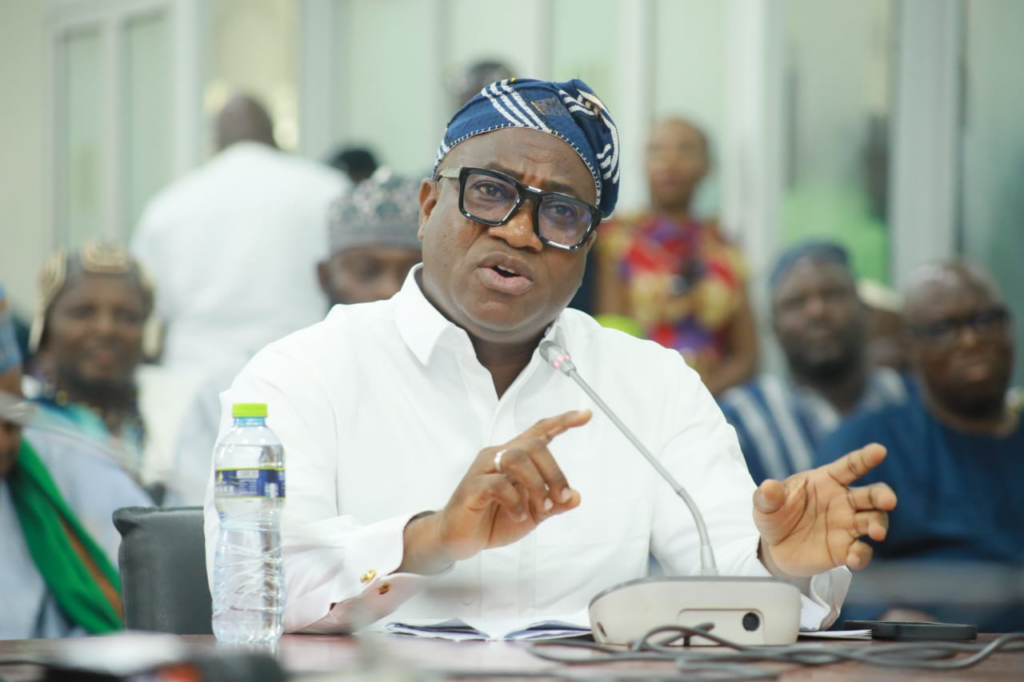
“Some hold the view that we should ban GMOs, but the question we must ask is: If we ban GMOs, what will be the effect on us?”
The nominee stressed the importance of trusting the National Biosafety Authority (NBA) and the Biosafety Act, which regulate and assess the safety of genetically modified foods.
According to him, the NBA is well-equipped to evaluate GMO products and provide expert advice to the government through relevant ministries.
“I believe the Biosafety Act and the National Biosafety Authority are capable of determining the processes through which certain genetically modified organisms (GMOs) can be used in our domestic market,” he said.
“I have absolute confidence in the capacity of the NBA to assess and advise the government, whether through the Ministry of Agriculture, the Ministry of Health, or any relevant authority.”
For Murtala Mohammed, the key determinant in the GMO debate should be scientific certification rather than speculation or fear-mongering.
“As long as the National Biosafety Authority certifies that a particular food is healthy for consumption, I have no problem at all with that,” he reiterated.
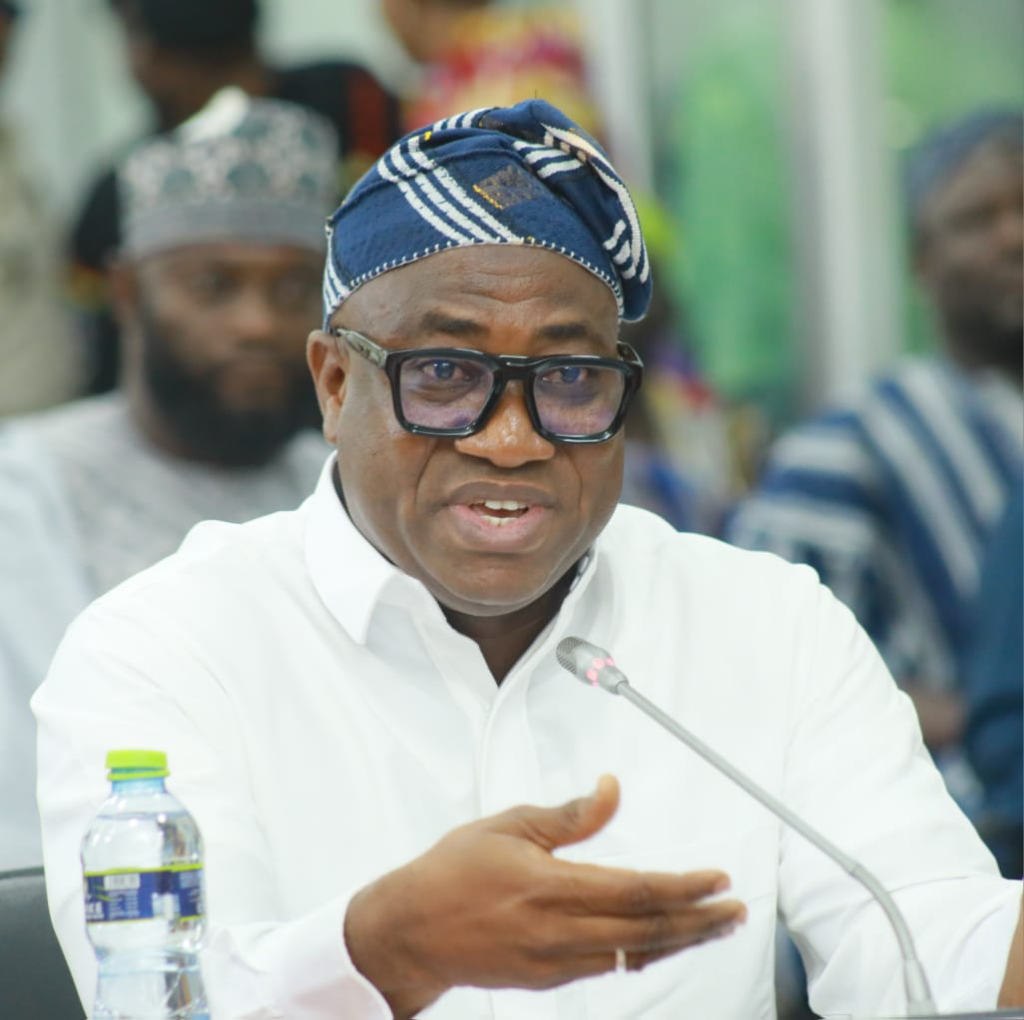
His position aligns with a growing global consensus that GMOs can play a crucial role in addressing food security when properly regulated.
However, the debate remains contentious, with critics raising concerns about potential health risks and environmental implications.
As the country navigates its policy direction on GMOs, the nominee’s comments suggest a science-based approach, where regulatory institutions hold the authority to determine what is safe for public consumption.
Latest Stories
-
Cedi depreciates by 7.11% against dollar in August 2026 – BoG report
10 minutes -
Put women and youth at the centre of mineral resource governance — ActionAid
25 minutes -
Theovision provides free healthcare to 2,500 rural residents and Ejura prison inmates
40 minutes -
UG warns public against fake resumption and hall fees notice
1 hour -
‘Follow Ghana’s steps’ – IMF Africa Director hails economic gains
2 hours -
Kwame Nkrumah’s son Gamal dies; burial scheduled for Saturday in Egypt
2 hours -
Ghana will beat IMF’s upgraded 5.7% growth forecast – Ato Forson
2 hours -
Middle East tensions, global risks to shape November policy rate decision – BoG Governor
2 hours -
MTN Ghana to invest $1.1bn over three years, deploy 500 new sites in 2026
2 hours -
15 arrested over alleged sand-winning activities along new Accra-Kumasi Expressway project
2 hours -
Agriculture slows to 3.9% as Ghana’s economy grows by 6%
3 hours -
Government launches rCOMSDEP to promote responsible mining in Western Region
3 hours -
Foreign Affairs Ministry procures 20 pickups to improve passport services
3 hours -
Oil prices retreat as investors weigh supply outlook, Middle East tensions
3 hours -
Mahama Ayariga highlights Jimi reclamation project as effort to tackle flooding
3 hours