

Audio By Carbonatix
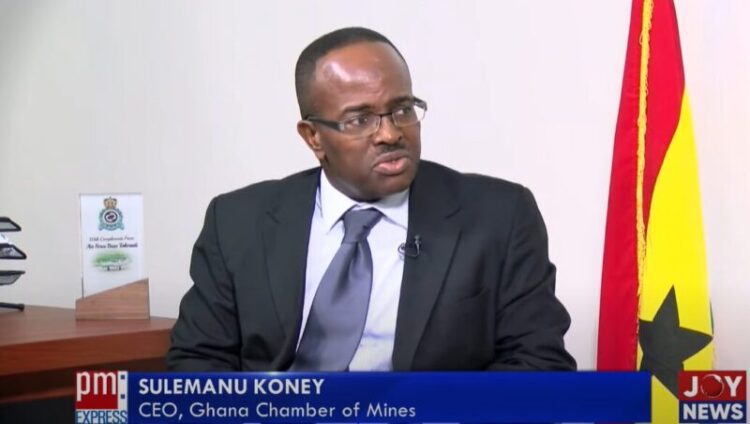
The CEO of the Ghana Chamber of Mines, Sulemanu Koney, has provided critical insights into the role of the mining sector in stabilising the local currency.
Speaking to Joy News’ PM Express Business Edition on Thursday, September 19, he stated that without the contributions of the mining industry, the Ghanaian cedi could be in far worse shape, possibly reaching ¢25 to $1.
He countered arguments suggesting that the mining industry has not sufficiently impacted the local currency, stating, “Trust me, if you didn’t have the mining industry, we would probably be heading to around ¢25 to $1.”
Mr Koney acknowledged that while there are misconceptions about the industry’s contribution to the economy, he stressed that the facts speak for themselves.
Read also: BoG says it capped allocation to ‘Gold for Oil’ policy in line with IMF directive
According to him, a significant portion of the country’s foreign exchange earnings comes from mining, and initiatives like the collaboration between the Bank of Ghana and mining companies to sell part of their gold reserves have played a crucial role in shoring up the currency.
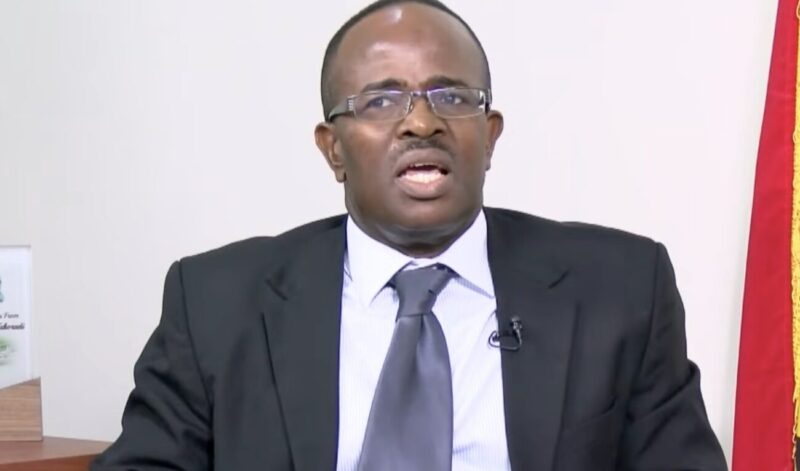
“Over the last few years, we’ve had a collaboration with the Bank of Ghana where part of our gold is sold to them as part of their reserves. This has been voluntary, not compulsory, but we still do it,” Mr Koney explained.
In response to claims that Ghana’s mining sector should bolster its gold reserves more effectively like some non-mining nations, he highlighted a key difference: “Countries that don’t mine gold often have huge reserves, but that’s because they play in a different space.
"Mining companies are not in that business. We bring the foreign exchange into the country to run our operations.”
Read also: Analysis: Ghana’s Gold-for-Oil gamble
He also pointed out that mining companies contribute to the economy by purchasing various inputs, including labour, energy, and consumables, all of which are paid for in cedis.
“You have to pay for labour, energy, and other inputs locally. How do you do that if you don’t bring money into the country? Naturally, a significant portion of revenue comes back,” Koney said.
Latest Stories
-
Anti-LGBTQ Bill: NDC’s arrogance is worrying – Hassan Tampuli
6 minutes -
Let’s give OSP time to mature, not to scrap it – Hassan Tampuli
10 minutes -
Nigeria convicts 386 Islamist militants in mass trials
15 minutes -
Djibouti president wins election with 97.8% of vote, state media says
19 minutes -
We don’t have mandate to deduct tax from rent allowance of security services personnel – Interior Ministry clarifies
34 minutes -
Ablakwa receives Presidential Special Envoy on Reparations to advance global agenda
51 minutes -
Christina Koch becomes first woman to travel around the moon on Artemis II
1 hour -
Epstein survivors’ calls to meet King Charles and Queen harder to ignore as US visit approaches
1 hour -
UN Secretary-General names Ghana’s Anita Kiki Gbeho as South Sudan envoy
1 hour -
Mali withdraws recognition of Sahrawi Republic, backs Morocco’s autonomy plan
1 hour -
Gov’t distributes over 8,500 laptops to One Million Coders project
1 hour -
Julius Debrah, ‘man to beat’ as NDC’s James Agbey dismisses Musah Dankwah’s polls
1 hour -
GPRTU in Savannah Region to protest alleged eviction in Damongo
2 hours -
Re: Reinsurance does not replace process — A response to the SIGA–SIC defence
2 hours -
Gender Ministry supports Harriet Amuzu in ongoing abuse case
2 hours