

Audio By Carbonatix
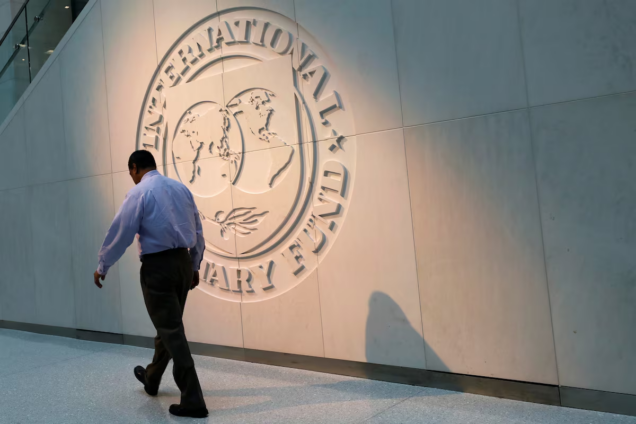
An International Monetary Fund (IMF) staff mission is expected in Accra at the end of September 2025 to assess Ghana’s economic progress and conduct the 5th review under the Fund programme.
The visit follows Ghana’s completion of the 4th review earlier this year and will serve as the penultimate assessment before the programme concludes in May 2026.
The final review is scheduled for April 2026.
Market analysts describe the 5th review as crucial, warning that Ghana may struggle to sustain fiscal discipline after exiting the programme.
Donor partners have urged the government to establish “shock absorbers” to safeguard stability once IMF support ends.
The government, however, insists it has already implemented measures to assure markets of continued expenditure discipline, stressing that there is no cause for alarm.
If Ghana passes this review, the country is expected to receive about US$360 million in October 2025. So far, Ghana has received GH¢2.3 billion since signing up for the IMF programme.
Focus of the 5th Review
Joy Business understands the review will examine Ghana’s economic data up to June 2025, with attention on:
- Inflation performance.
- Sustainability of reserve build-up.
- Audit of arrears.
- Weak private sector banks in need of recapitalisation.
- State-owned banks facing recapitalisation challenges similar to NIB.
- Fiscal revenue shortfalls amid an appreciating currency and the need to meet the 1.5% of GDP primary surplus target.
- Arrears build-up in NHIL, GETFund, and Road Fund.
- Social spending gaps.
Ghana’s IMF Programme
On May 17, 2023, the IMF Executive Board approved a 36-month Extended Credit Facility (ECF) arrangement worth SDR 2.242 billion (about US$3 billion). This included an immediate disbursement of SDR 451.4 million (about US$600 million), with subsequent disbursements tied to successful programme reviews.
The programme’s priorities include:
- Restoring public finances to a sustainable path by boosting domestic revenue and improving spending efficiency, while protecting the vulnerable.
- Expanding social protection, including doubling the benefits of the LEAP cash transfer programme and increasing allocations for school feeding.
- Implementing structural reforms in tax policy, revenue administration, public financial management, and addressing weaknesses in the energy and cocoa sectors.
- Controlling inflation through tighter monetary policy, eliminating central bank financing of the budget, and maintaining a flexible exchange rate to rebuild reserves.
- Preserving financial stability and encouraging private investment, growth, and job creation.
Latest Stories
-
Drug bust case: Only Customs officers, MPS officials in scanning room – NACOC
49 minutes -
I don’t mind being insulted; I have a crocodile skin – President Mahama
1 hour -
Samson’s Take: Verify the badge – and verify the story
1 hour -
President Mahama explains why Ghana must rethink regulation of TikTok, other new media platforms
1 hour -
Rule of law must be protected – GBA condemns EOCO action against Baffour Awuah
3 hours -
950,000 barrels of Sankofa crude head to TOR as GNPC deepens domestic refining
3 hours -
Scales of deception removed – Annoh-Dompreh attacks new cocoa price
3 hours -
Young Positivist Writes : My Experience with GCLP
5 hours -
Strong Day 1 turnout sets tone for Day 2 of Republic Bank-JoyNews Habitat Fair Clinic
5 hours -
Ghana Army warns new soldiers against social media misuse, uniform abuse
5 hours -
AMA calls for science-led action to tackle environmental health risks in Accra
5 hours -
NPP Canada Organizer BigMo urges Diaspora to support Kodua Frimpong
6 hours -
He entered at eight; he is now 16: Ghana’s children growing up in prayer camps
9 hours -
‘Development must not always begin from Accra’ — Anwelle Foundation launched in Jirapa
9 hours -
PKO trio eye victories at Odwira Festival
12 hours