


Audio By Carbonatix
India’s capital territory of Delhi sweltered to its highest-ever temperature of 49.9 degrees Celsius (121.8 degrees Fahrenheit) on Tuesday, as an oppressive heat wave forced authorities to impose water rationing.
The Indian Meteorological Department (IMD) said the new record was measured in the suburb of Mungeshpur, surpassing Delhi’s previous high of 49.2 degrees Celsius (120.5 degrees Fahrenheit), observed in May 2022.
Some areas of Delhi are struggling to access water, while others have none at all, said Atishi Marlena Singh, a senior minister in the Delhi government, at a news conference.
Areas that normally receive water supplies twice a day will now have their delivery cut to once a day to redirect resources to areas that have had little to no supply at all, Singh said.
The water shortages were caused by the “acute heatwave,” as well as a lack of water deliveries from the northern state of Haryana to Delhi, which are not being made as usual, Singh said.
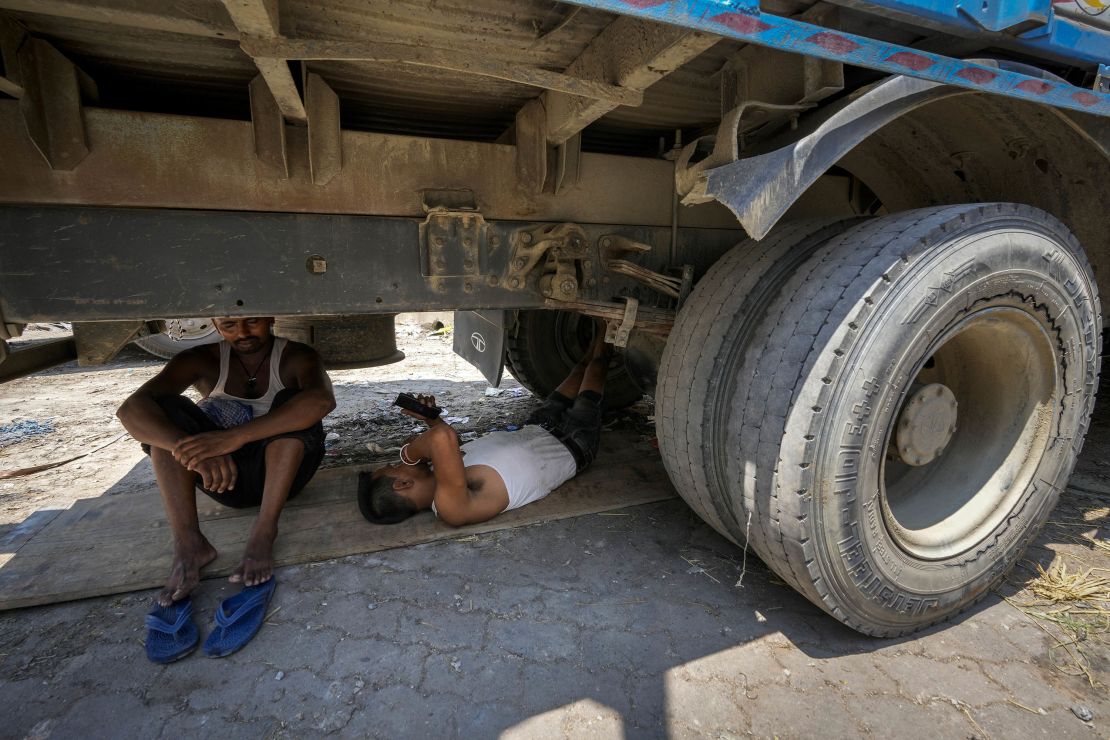
Delhi was not alone, as the mercury spiked across northwestern India. The temperature in the city of Churu in the state of Rajasthan soared to 50.5 degrees Celsius (122.9 degrees Fahrenheit).
Sirsa, a city in the state of Haryana, saw thermometers reach 50.3 degrees Celsius (122.5 degrees Fahrenheit), Indian authorities said.
Heatwave conditions will prevail in Delhi on Wednesday but are expected to subside starting Thursday, the IMD said.
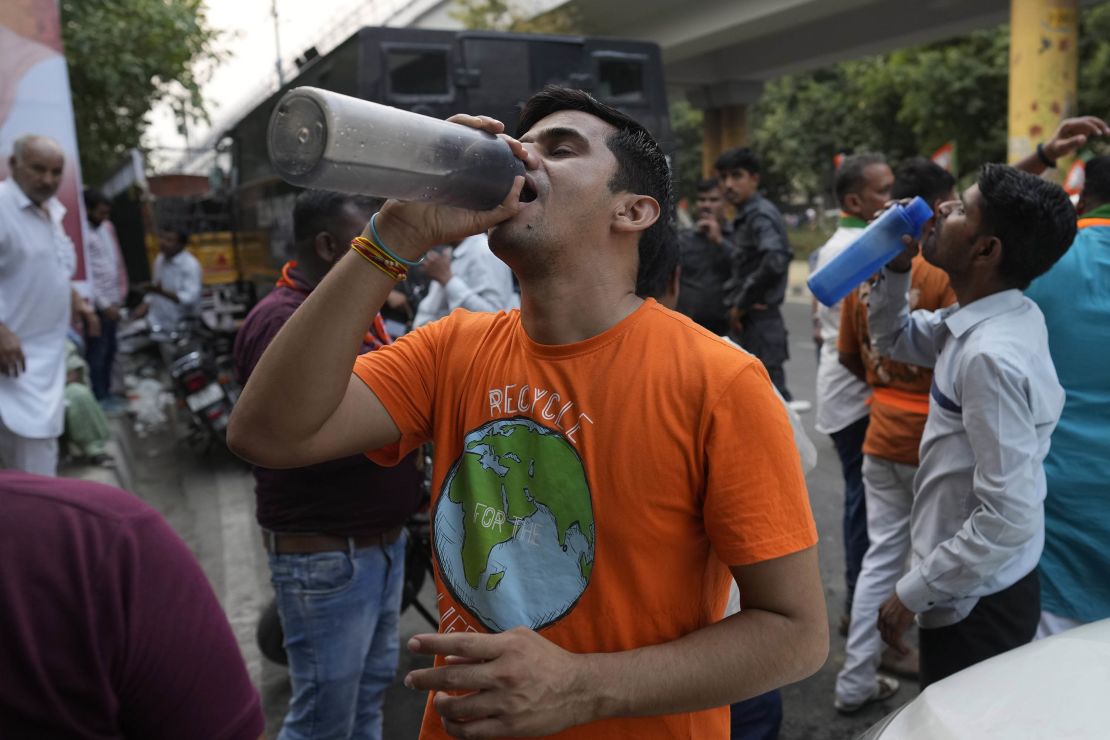
A man drinks water at a roadside stall serving free drinking water to commuters in New Delhi on May 22. Manish Swarup/AP
Extreme heat is becoming more common and intense in much of the world because of the human-caused climate crisis. India is particularly vulnerable to extreme heat and some places there are pushing the limits of human survivability, experts say.
One study found that heat waves have killed more than 24,000 people in the country since 1992.
The increase in heat events in coming years could threaten India’s development, and risk reversing its progress on poverty alleviation, health and economic growth, the study said.
Latest Stories
-
Mobile Money Fintech LTD, UMB train hairdressers and beauticians
1 hour -
Asylum votes show people want help, says Kemi Badenoch
2 hours -
Badenoch welcomes expanded grooming gangs inquiry
2 hours -
GACL MD sues Samuel Buabeng over alleged Facebook defamation
2 hours -
Christa Pike in critical condition after surviving two lethal injections, lawyer says
2 hours -
Kemi Badenoch backs face covering ban at protest
3 hours -
Man City not ‘above the rules’, says No 10 after backlash to Burnham remarks
3 hours -
Real Madrid submit ‘substantial’ dossier in Barca payments case
3 hours -
Messi completes purchase of second Spanish club
3 hours -
Government must engage horticulturists on tomato crisis – GhIH
3 hours -
King Promise’s ‘Can’t Tame Us’ becomes official Chelsea anthem
3 hours -
Afenyo-Markin demands Baffour Awuah’s release from EOCO’s custody, end to alleged political intimidation
3 hours -
Rapper Rick Ross arrested on domestic violence charges
3 hours -
Minority demands security review of Ghana-Colombia visa waiver and port deals
4 hours -
Pursue drug kingpins, not persecute political opponents – Afenyo-Markin tells EOCO
4 hours