

Audio By Carbonatix
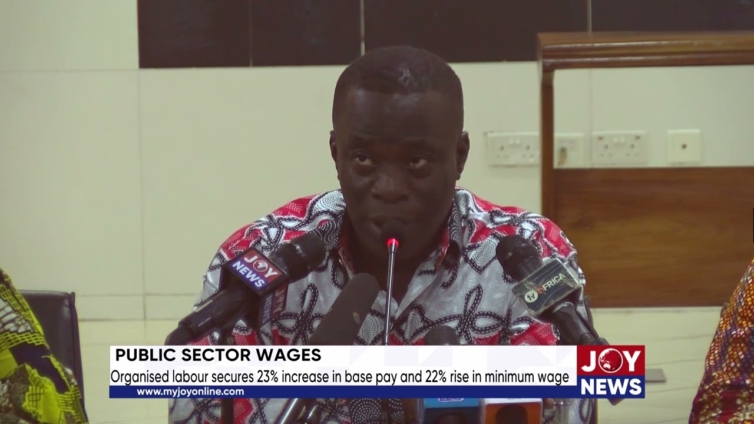
The issue of public sector wages in Ghana has become one of the most unintelligent conversations in our national discourse. Public sector wages consume a colossal 45% of our total national revenue, but what do we get in return for this lion’s share? We end up with a tiny $77 billion economy reminiscent of the 15th century, with a pitiful 14% tax component.
Our public sector delivers very little for the huge chunk of revenue they consume, and no one demands any return on this investment. We never have meaningful discussions about public sector productivity and resourcefulness. Are we content paying workers at the Grains and Legumes Development Board, Parks and Gardens, or Irrigation Development Authority for doing virtually nothing?
Who are we deceiving?
Someone should tell the Employment Ministry that their responsibilities extend beyond annual salary negotiations. Productivity must take centre stage in their daily affairs.
Why does Organised Labour in Ghana demonstrate and strike against many issues but never against the lack of productivity, which is the main factor impeding higher wages among other factors? This question is vital for our national development and economic growth. If we are serious about transforming our economy and improving our living standards, we need to address the elephant in the room: public sector productivity.
The current state of affairs is unsustainable. We cannot continue to allocate almost half of our national revenue to a sector that does not deliver commensurate value. It is time for a paradigm shift. We need to move away from the entrenched culture of entitlement and towards a culture of accountability and performance. Public sector employees must be held to the same standards of productivity and efficiency as their counterparts in the private sector.
The Employment Ministry must take the lead in this transformation. It must go beyond merely negotiating salaries and ensure that public sector workers contribute meaningfully to national development. This involves setting clear performance targets, monitoring outcomes, and implementing consequences for underperformance. It also requires a change in mindset from both employees and employers, recognising that public service is not a right but a responsibility.
Moreover, Organised Labour must play a constructive role in this transformation. Instead of focusing solely on wage increases, labour unions should advocate for measures that enhance productivity. This includes training and development programmes, better working conditions, and the adoption of modern management practices. By doing so, they will not only improve the welfare of their members but also contribute to national prosperity.
In conclusion, the conversation about public sector wages in Ghana needs to evolve. It is not enough to talk about how much we pay; we must also demand value for money. The focus must shift from entitlement to productivity, from consumption to contribution. Only then can we build a robust and dynamic economy that meets the aspirations of all Ghanaians. The time for change is now. Let us stop deceiving ourselves and start demanding more from our public sector.
Latest Stories
-
Haruna Iddrisu calls for limits on annual university accommodation fee increases
8 minutes -
Today’s front pages: Tuesday, October 13, 2026
55 minutes -
Wealth Over Water: How Galamsey Is Threatening Ghana’s Water Security
2 hours -
LA 2028: Black Queens pumped up for second leg of Mauritius tie
2 hours -
LA 2028: Black Queens hold final training session ahead of second leg against Mauritius
2 hours -
Standards are not Seasonal: What the EC appointments teach both sides
2 hours -
King Mohammed VI urges private sector to create youth jobs and spread benefits of growth
2 hours -
KGL U17 Colts 2026: Greater Accra win title after penalties win over Western Region
2 hours -
UK Investment Roadshow opens in London to advance UK-Ghana growth partnership
3 hours -
Assemblies of God requires pastors to resign before entering partisan politics – Rev. Wengam
3 hours -
Ghana targets 20% annual reduction in maternal deaths – Health Minister
3 hours -
Cyber attacks in Africa grow faster than global rate, report finds
3 hours -
Ghana signs UAE deal to create 5,000 overseas jobs
3 hours -
One Million Coders Programme targets 100,000 digital jobs in two years – Sam George
3 hours -
John Jinapor, Italian Ambassador explore opportunities for energy sector investment
3 hours