

Audio By Carbonatix
Lassa fever vaccines could prevent deaths, protect communities, and strengthen economies across West Africa.
By vaccinating enough people, the spread of the virus in villages, towns, and cities would be reduced, lowering the risk of outbreaks. Fewer infections also mean reduced healthcare costs, less productivity lost from missed work, and less financial strain on families and governments.
The disease, endemic in Nigeria, Sierra Leone, Liberia, Guinea, and other West African countries, has pushed governments and experts to fast-track vaccine development.
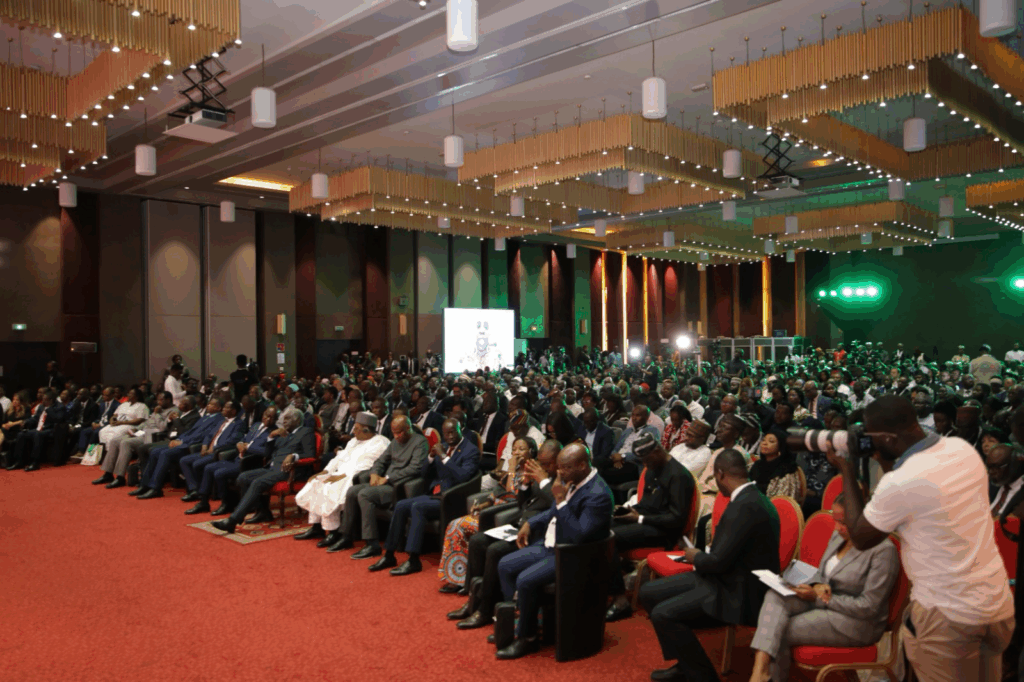
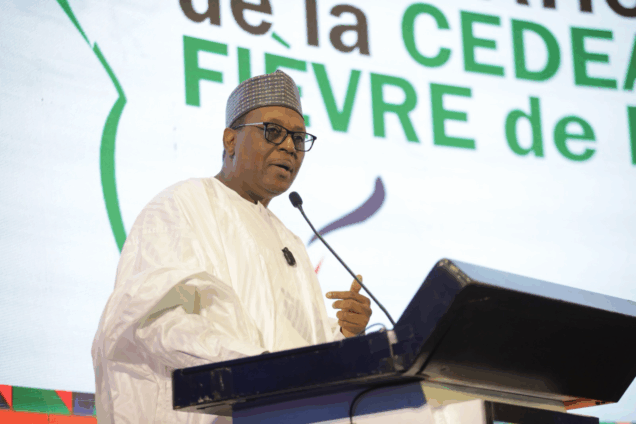
On the opening day of the West African Health Organisation’s 2nd Lassa Fever International Conference in Abidjan, Nigeria’s Coordinating Minister of Health and Social Welfare, Prof. Muhammad Ali Pate, urged the region to take ownership of the fight.
“Ultimately, this disease is local to us – the solution will not primarily come from outside. It is our problem. We must rise up, invest, and mobilise support from our region and beyond to find a solution to this local challenge,” he said.
Prof. Pate stressed that no single country can defeat Lassa fever alone, insisting that a united, coordinated, and sustainable response was essential.
“Our strength lies in the unity of our response, in our willingness to work together, share knowledge, and coordinate resources to protect our people,” he added.
Across West Africa, Lassa fever continues to threaten lives, livelihoods, and fragile health systems, with many communities bearing the brunt of the disease.
Prof. Pate urged countries to strengthen national health systems, improve primary healthcare, train frontline workers, engage communities, and foster research and innovation.

“We must foster the development of diagnostic tools and vaccines,” he emphasised.
Speaking on the theme “Beyond Borders: Strengthening Regional Cooperation to Combat Lassa and Emerging Infectious Diseases,” the African Union Commissioner for Health and Humanitarian Services, Ambassador Amma Twum-Amoah, reminded delegates that Lassa fever does not respect national borders, warning that its solution cannot be delayed.
“Only through solidarity between states and partners can the region protect lives. Let’s ensure the outcomes and recommendations here translate into real action,” she said.
The conference opened with a welcome address from Mr. Pierre N’Gou Dimba, Minister of Health and Public Hygiene and Universal Coverage of Côte d’Ivoire, setting the tone for the high-level gathering.
The International Conference (#ELFIC2025) was officially launched by His Excellency Robert Beugré Mambé, Prime Minister of Côte d’Ivoire, who later visited the WAHO exhibition stand, presented by Prof. Sombie, underscoring WAHO’s commitment to strengthening health systems and regional cooperation.
Latest Stories
-
Anti-LGBTQ Bill: Forget the rumour mongers, I’m a man of action, and will pass the bill – Speaker
21 minutes -
Women and children among those killed in Sudanese army shelling of wedding celebration
24 minutes -
President Mahama is not sincere with Ghanaians on LGBTQ bill matter – Hassan Tampuli
42 minutes -
Gov’t to establish Prison Industrial Hub to equip inmates with income-generating skills – Prison Service boss
1 hour -
Alhassan Tampuli donates cement, roofing sheets to support storm victims in Gushegu
1 hour -
Alhassan Tampuli appeals for urgent support for storm victims in Gushegu
1 hour -
The hypocrisy must stop; pass Anti-LGBTQ+ Bill now – Alhassan Tampuli to Mahama
1 hour -
Imprisonment should be rehabilitative, not punitive – Ghana Prisons boss at UNGA
2 hours -
Ga Adangbe traditional priests petition Mahama over McDan aviation licence revocation
2 hours -
Anti-LGBTQ Bill: NDC’s arrogance is worrying – Hassan Tampuli
2 hours -
Let’s give OSP time to mature, not to scrap it – Hassan Tampuli
2 hours -
Nigeria convicts 386 Islamist militants in mass trials
2 hours -
Djibouti president wins election with 97.8% of vote, state media says
2 hours -
We don’t have mandate to deduct tax from rent allowance of security services personnel – Interior Ministry clarifies
2 hours -
Ablakwa receives Presidential Special Envoy on Reparations to advance global agenda
3 hours