

Audio By Carbonatix
The Media Coalition for Good Governance (MCGG) has pushed back against recent claims by some civil society organisations regarding Ghana’s port operations, describing the allegations as lacking verifiable evidence and warning that they risk derailing critical reforms in trade facilitation and public health security.
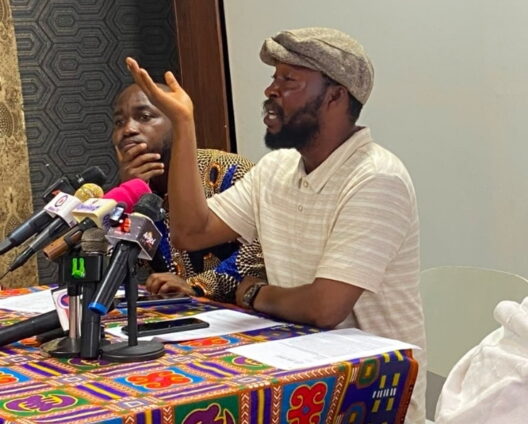
Speaking at a press briefing in Accra on Wednesday, MCGG Convener Kwadwo Baffour Atuahene cautioned that unsubstantiated assertions distract from genuine, ongoing efforts to modernize Ghana’s ports and strengthen its health surveillance systems. “Let me be equally clear on another important point,” Mr. Atuahene told journalists. “Acknowledging that systems can improve is not the same as accepting unsupported allegations. “He stressed that no port system globally is flawless. “Like all advanced ports worldwide, Ghana’s ports require continuous enhancement across customs operations, terminal management, shipping logistics, health surveillance systems, and regulatory frameworks. We fully support those efforts. However, Atuahene insisted that constructive reform must be rooted in facts, data, and professional analysis — not in claims without factual backing. “MCGG fully supports ongoing work to improve efficiency, transparency, infrastructure, and operational standards at the ports. But reform cannot be built on sensationalism. “While recognizing the vital role of CSOs in democratic accountability, the Convener underscored that the role comes with responsibility. “Public statements must meet a minimum standard of accuracy, fairness, and evidentiary integrity,” he said. “Assertions made without data, methodology, or verifiable findings do not advance reform.
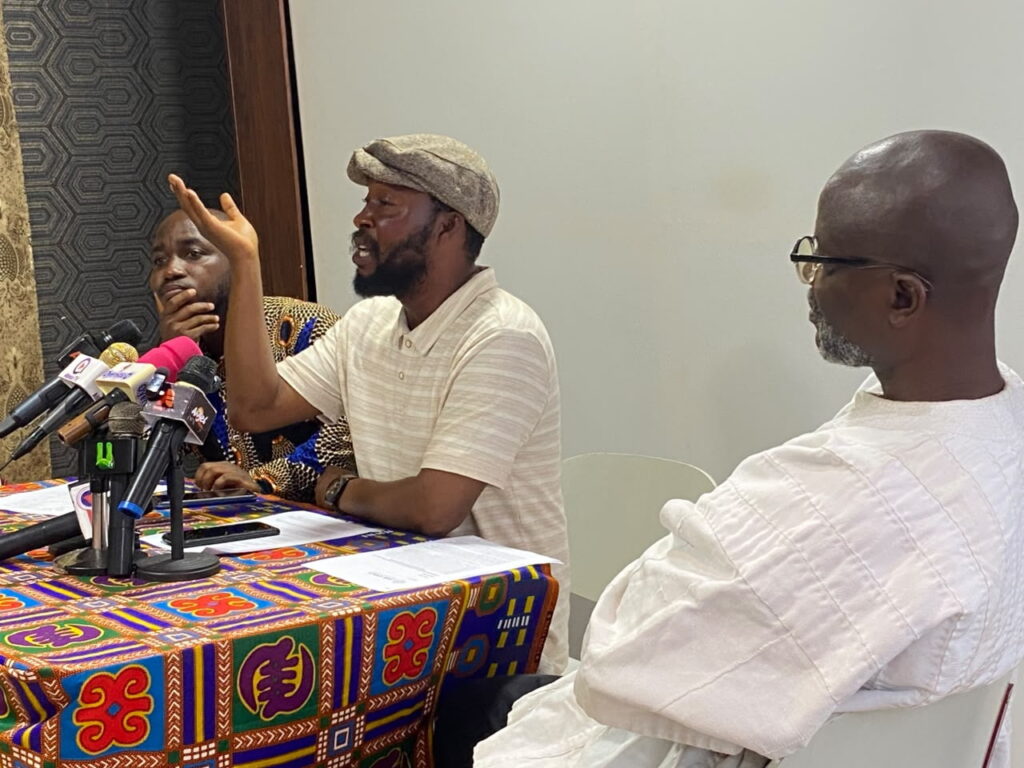
They undermine it.” Atuahene noted that sectors as sensitive as national trade facilitation and public health protection require fact-based discourse, constructive engagement, and responsible advocacy. “That is how institutions are strengthened.
That is how public confidence is maintained. And that is how Ghana’s health security architecture can continue to evolve and improve in the national interest,” he stated.
His remarks follow recent concerns raised by a coalition of CSOs questioning the effectiveness of port disinfection services and the reliability of the Integrated Customs Management System (ICUMS), which they claimed was disrupting trade flows.
In response, MCGG reaffirmed its commitment to transparency and accountability but urged all stakeholders to avoid speculation and focus on evidence-driven solutions.
The Coalition said it remains open to engaging with all actors, provided discussions are anchored in verifiable data. “Ghana’s ports are a gateway to the economy,” Atuahene concluded. “Getting reform right matters — but getting the facts right comes first.”
Latest Stories
-
“NSA did not tell us of any embassy arrangement” – Kofi Adams
8 minutes -
Glasner suffers loss on Selhurst return as Palace beat Forest
2 hours -
WAFU B U17: ‘We won but I expected more from my boys’ – Kassim Ocansey
2 hours -
Man City cruise to statement win over 10-man Liverpool
2 hours -
Be careful with cross-border lending, foreign currency exposures – BoG to financial institutions
4 hours -
GPL 2026/27: Medeama go three clear as Hearts of Oak recover and Bechem stage stunning comeback
4 hours -
Ntiamoah Foundation launches “BEYOND 20” anniversary campaign
5 hours -
Credit Risk Management Directive: BoG to begin implementation for banks, others from July 1, 2027
5 hours -
Ghana Brands Awards 2026: Leading brands, business trailblazers to shine on November 20
5 hours -
T-bills auction: Demand improves as government exceeds target by about 76%; interest rates soften
5 hours -
Ziope undertakes initiative to build a technologically inclined community, commissions self-help ICT lab
6 hours -
ECG announces power outage in parts of Tema, Central Region due to network fault, maintenance
6 hours -
When the Gospel Becomes a Weapon: The church, blackmail and the abuse of faith
7 hours -
JoyNews’ Jacqueline Ansomah Yeboah selected for UK Media Excellence for Emerging Technologies Fellowship
7 hours -
Mental Health Alliance urges government to operationalise Mental Health Fund
7 hours