

Audio By Carbonatix
The Merian Institute for Advanced Studies in Africa (MIASA) on Wednesday, May 29, 2024, organised a public roundtable event focused on strategies to enhance female academic leadership across African universities.
The event was held in collaboration with the German Historical Institute Paris (GHIP) and the Centre for Gender Studies and Advocacy (CEGENSA) at the University of Ghana. The roundtable is part of the 7th Female Academic Careers in Africa workshop, which brings together early- and mid-career female academics from across Africa.
Under the theme "Re-thinking the Academic Environment for Increasing Gender-Balance and Inclusion," the event occurred at the Institute of African Studies, University of Ghana, Legon.
MIASA, part of the College of Humanities at the University of Ghana, partners with four German institutions: the University of Freiburg, Goethe University Frankfurt, the German Institute for Global and Area Studies (GIGA), and GHIP. Funded by the German Federal Ministry of Education and Research (BMBF) and the University of Ghana, MIASA aims to elevate African perspectives in global academic discussions.
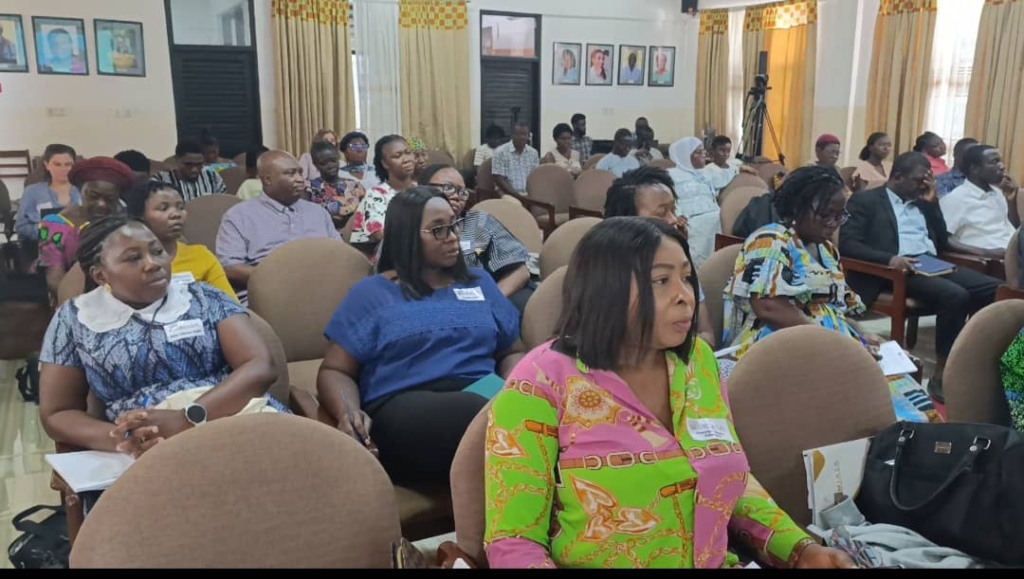
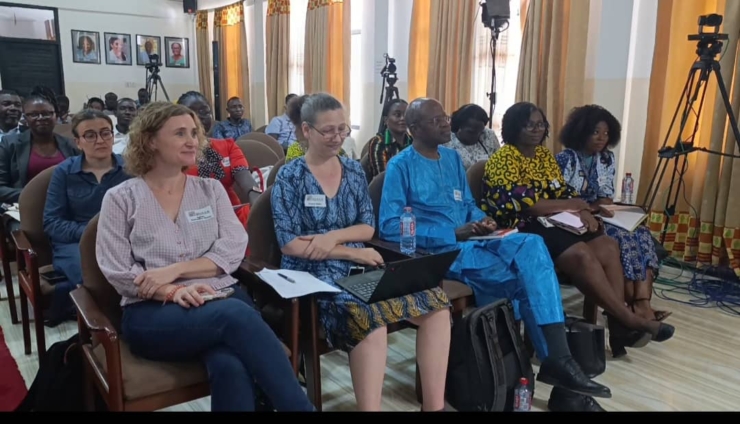
The workshop welcomed nineteen early- and mid-career female academics from the Social Sciences and Humanities, representing universities and research institutes from Ghana, Nigeria, The Gambia, Burkina Faso, Uganda, Kenya, South Africa, Botswana, Tunisia, and Morocco.
The event provided a platform to discuss the challenges and opportunities faced by women in academia within the African context.
Participants engaged with a professional coach through various modules that addressed professional relationships within universities, navigating university hierarchies, handling workplace conflicts, and managing academic careers amidst multiple time constraints.
The coaching aimed to help participants define their working and leadership styles while adapting to different contexts and challenges.
The overarching goal was to empower female academics to advance their careers, maintain a work-life balance conducive to their research and academic pursuits, and prepare for leadership roles or other professional opportunities.
The workshop emphasised creating support systems through peer coaching, networking, and sharing information.
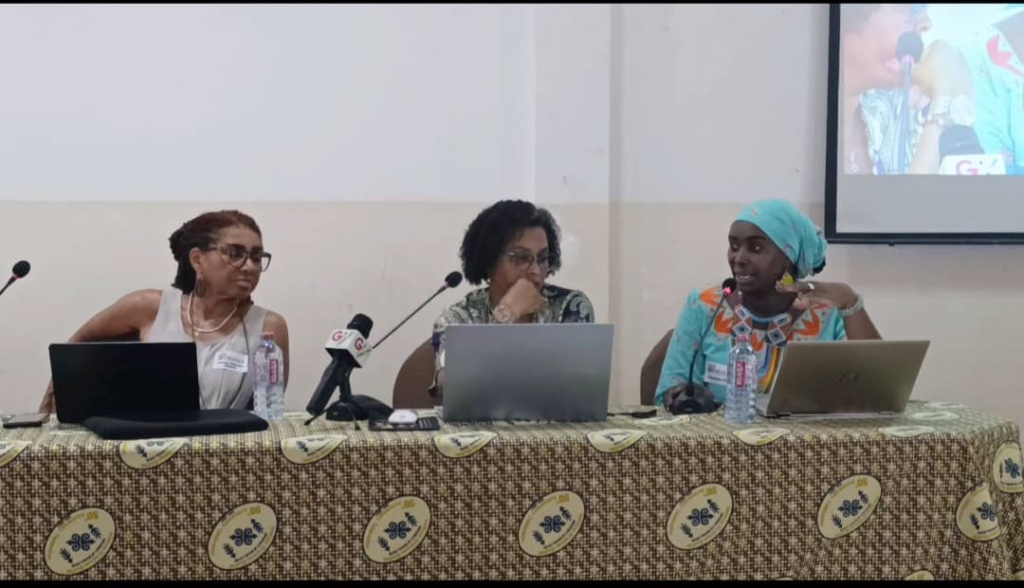
A public roundtable featured three experienced scholars namely Professor Akosua Adomako Ampofo, University of Ghana, Professor Clementina Baptista de Jesus Furtado, University of Cape Verde and Professor Fatoumata Keita, University for Arts and Human Sciences of Bamako discussing leadership that promotes gender equality and an inclusive working environment.
The roundtable also tackled structural challenges and inequalities in resource distribution within academia, the unique barriers faced by African female academics, and the role of pan-African networks in strengthening female academic careers.
Additionally, the workshop included a non-public panel discussion focusing on the role of networking and coaching. Experts led discussions on the workshop's impact on personal career development, effective strategies, and potential distractions post-workshop.
The panel also explored useful academic networks and their influence on career development, as well as strategies for creating a safe and inclusive academic work environment, addressing sensitive issues, and promoting mental well-being.
Professor Mary Setrana in a speech read on behalf of the Vice Chancellor of the University of Ghana, Professor Nana Aba Appiah Amfo, said the event's theme aligned with the University of Ghana’s strategic plan, priority four (4) which is on gender and diversity.
"The University through this strategic priority aims to create the best environment for equal opportunity in gender and diversity; and the University of Ghana is committed to this. Apart from this public roundtable, the University has a gender policy, a day care centre and a functional affirmative action
policy among others. But we also acknowledge that there is more room for improvement."
The VC expressed beliefs that the roundtable will be a great occasion to celebrate achievements as female scholars, irrespective of their levels and positions; to recognise, identify and find gender transformative
approaches to addressing the inequalities they are faced with in their academic journies.
Latest Stories
-
Power restoration fault suspected in Kumasi Central Market fire
5 hours -
The 7-foot giant of Ngleshie Amanfro: Seven-foot Ghanaian Ephraim Saawa dreams of joining the national basketball team
5 hours -
Government promises support for Kumasi Central Market fire victims
5 hours -
Vibes The Movie: Big Ghun’s Ghanaian film earns five nominations at 2026 REFFA
6 hours -
MamaCare CEO warns unresolved conflicts among health workers could undermine maternal and neonatal care
6 hours -
Health professionals urged to translate medical knowledge into practice to save mothers
6 hours -
Retired judge Justice Francis Korbieh charges 1,568 new lawyers to uphold integrity
8 hours -
Conflicts among care providers linked to maternal, neonatal deaths – Expert
8 hours -
GIS marks 10th TIME conference, champions improved teaching practices
8 hours -
BRICS Or Balance? What Ghana’s bid really means
9 hours -
GPRTU wants full TRAFFITECH-GH implementation to start in 2027
9 hours -
How 10-mile walks for basic education birthed a 50-year legal career for Justice Korbieh
9 hours -
Mahama announces plans to import electric wheelchairs for PWDs
9 hours -
KGL U17 Colts 2026: Western beat Prempeh Elite Academy to set up final final with Greater Accra Region
9 hours -
Late Solanke strike salvages 10-man Spurs draw at Man United
9 hours