

Audio By Carbonatix
The New Patriotic Party's (NPP) running mate, Dr Matthew Opoku Prempeh, has highlighted the significant achievements of Ghana’s Free Senior High School (SHS) policy, stressing its positive impact on educational outcomes and equity.
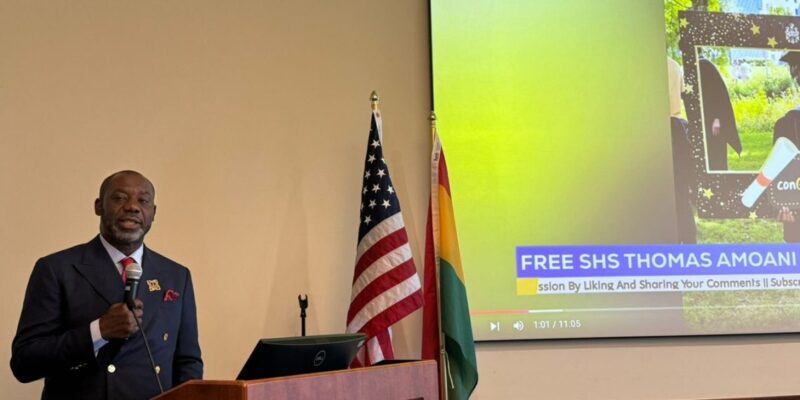
Speaking at the University of Memphis on Saturday, October 19, Dr Prempeh, widely known as NAPO, affirmed that the Free SHS programme has expanded access to education, particularly for disadvantaged students, while refuting claims that it has compromised the quality of education.
As the former Minister of Education during the policy’s implementation in 2017, NAPO emphasized that the initiative has strengthened academic performance and helped reduce educational inequality nationwide.
He noted that the programme has allowed more students to pursue secondary education without the financial obstacles that once hindered many Ghanaian families.
Dr Prempeh also highlighted the long-term benefits of the Free SHS policy, describing it as a vital investment in Ghana’s future.
He underscored that the programme is shaping a more educated and skilled workforce, which is essential for driving national development and improving the country's global competitiveness.
In addressing criticisms, NAPO reiterated that the Free SHS initiative has maintained educational standards and continues to foster greater opportunities for all students, regardless of their financial background.
“It is important to state that a cursory analysis of core subject performance from 2015 to 2023 points to a significant improvement in the past 5 years. For the 2022- and 2023-year groups, for example, more than 60% of candidates obtained A1-C6 in all core subjects, which are the qualification grades required for admission into a tertiary institution in Ghana."
“In fact, the 2023 results in this context are the best in 9 years. This, clearly, further refutes the argument by some naysayers that the Free Senior High School Policy was to compromise quality education."
“The equity component of the Free SHS programme has been crucial. Beyond removing financial barriers, we actively ensured that children from disadvantaged backgrounds could access our top schools. This led to the introduction of the 30% equity policy, reserving 30% of spaces in top schools for children from public basic schools, who often come from deprived backgrounds but had performed well in their final junior high school exams the BECE considering their backgrounds and other challenges within their study environment," he stated.
Latest Stories
-
Man City suffer as PSG masterclass sets up Champions League win
1 hour -
Customer Service Africa CEO urges business leaders to observe staff and customer interactions
2 hours -
On night of mayhem for Liverpool, Barcola arrives in style
2 hours -
Muzic Mensah finds healing and renewed love in new single ‘WayƐ Late’
2 hours -
FIFA to offer extra £2.6bn for football development
2 hours -
Government backing is no EPA permit – Authority warns GoldBod, ministries
2 hours -
Real Madrid produce stunning late fightback to down Roma
2 hours -
EPA orders immediate halt to unpermitted reclamation and dredging nationwide
2 hours -
Afenyo-Markin’s lawsuit against Sammy Gyamfi takes focus away from development – Kpebu
2 hours -
FWSC urges media to guard against misinformation in proposed IPEC transition
2 hours -
MoMo Fest 2026: Shatta Wale to Rock Accra Stadium on October 17
3 hours -
GTEC’s letter directing public universities to reopen by October 16 is unprofessional – GAUA
3 hours -
Suspect in viral video assaulting wife jailed for 3 months
3 hours -
GAUA insists strike will end only after Fair Wages addresses market premium issue
3 hours -
Kpemka seeks compensation as he sues BOST over alleged unlawful termination
3 hours