

Audio By Carbonatix
Nigeria's Ogoni activists on Friday rejected a posthumous pardon for nine members executed three decades ago by a military dictatorship, criticising President Bola Tinubu's move as inadequate and perpetuating injustice.
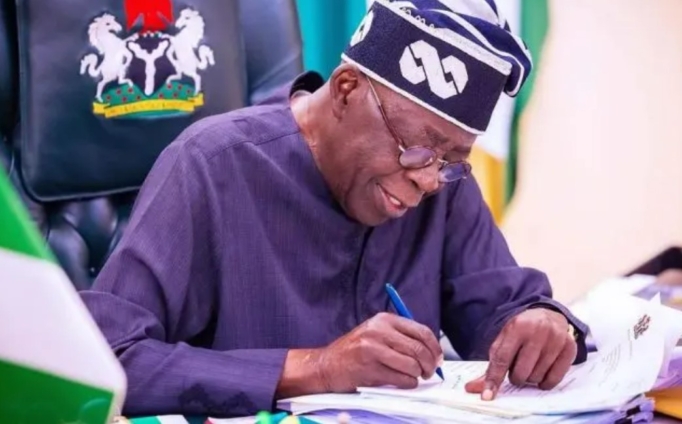
To commemorate Nigeria's Democracy Day on June 12, Tinubu pardoned the men, known as the "Ogoni Nine", including writer Ken Saro-Wiwa, who were hanged after being tried by a military tribunal for their protests against Shell's pollution in the oil-rich Niger Delta, which is home to the Ogoni ethnic group.
The executions sparked international condemnation against Nigeria's then-military junta and continue to be a contentious issue in the nation's history.
"You cannot pardon someone who has not committed an offence; we are demanding total exoneration," said Celestine Akpobari, coordinator of the Ogoni Solidarity Forum.
"To say 'pardon', I think it is insulting. If there is any group that needs pardon, it is the Nigerian government that has committed so many crimes against the Ogoni people," he told Reuters.
Tinubu's spokesperson rejected such criticism.
"The president has done what is normal. They can make an argument for exoneration and the president will look into it," Bayo Onanuga told Reuters.
Shell, which halted oil drilling in the area in the early 1990s and later sold its assets there, has denied any responsibility or wrongdoing.
Tinubu's efforts to resume oil drilling in Ogoniland have drawn fresh criticism from environmental activists.
Alagao Morris, deputy executive director of the Environmental Defenders Network, an interest group in the Niger Delta, said the pardon appeared to be an attempt to mollify the Ogoni people in the face of the region's continued environmental devastation.
"The pollution that ought to be addressed has not been addressed," Morris said.
He said the issue of oil drilling should be decided by the Ogoni people, but the complete exoneration of Saro-Wiwa and other executed activists should come first.
Nigeria, Africa's most populous country, relies on oil for more than 90% of export earnings and around two-thirds of government earnings, exposing its economy to global price shocks.
Latest Stories
-
Hawa Koomson pledges experienced and mature leadership of NPP women’s wing
40 minutes -
Young woman found dead at Kasoa Peace Town
1 hour -
Playback: The Law examined lawful arrest in Ghana
2 hours -
Mahama urges African governments to treat healthcare as an investment, not budget cost
2 hours -
Bawumia congratulates John Boadu and new NPP executives, pledges support ahead of 2028
2 hours -
‘No talent should be left out’ – Bawumia pledges inclusive NPP campaign for 2028
2 hours -
Prof. Mike Oquaye recounts how he blocked the Special Prosecutor’s attempt to arrest Bawku Central MP
3 hours -
Make health sovereignty a priority for Africa – Mahama
3 hours -
Dorimon Naa, Wa West DCE lead massive clean-up exercise; threaten sanctions against recalcitrant residents
3 hours -
Photos from Adom FM Y2K Jam
3 hours -
Praye Tiatia steals the show at Adom FM Y2K Jam [Watch]
3 hours -
Boakye Agyarko congratulates John Boadu, pledges support for NPP leadership
3 hours -
Antwi HiMight thrills fans with Antwi ne Antwi hits at Adom FM’s Y2K Jam [Video]
4 hours -
Amb. Edward Boateng congratulates Boadu, Kodua on election wins
4 hours -
John Boadu pledges to rebuild NPP from grassroots and restore ‘winning machinery’
4 hours