

Audio By Carbonatix
The International Monetary Fund (IMF) has raised concerns over rising non-performing loans (NPLs) in Ghana’s banking sector.
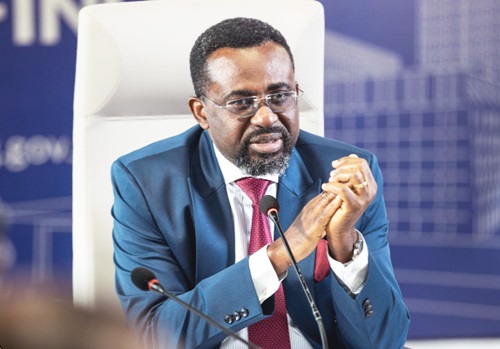
IMF Mission Chief Ruben Atoyan warned that stronger supervisory action is needed to safeguard recent gains in financial stability.
Speaking on PM Express Business Edition on Thursday, he said that while Ghana’s banking sector had improved significantly under the Extended Credit Facility programme, key vulnerabilities remain.
“Absolutely, the reforms need to be completed, that’s how we see that,” he stated.
According to him, the overall strength of the banking sector has improved “drastically” during the IMF-supported programme, but the reform process is not yet complete.
“The few remaining blocks will complete this agenda going forward,” he said.
However, Dr Atoyan cautioned that risks persist, particularly regarding rising non-performing loans.
“Where we do see risk, that NPLs are still fairly high, especially among the state-owned banks, and this needs to be addressed going forward,” he noted.
He stressed that while loan defaults are part of normal banking operations, the growing ratio of bad loans poses a broader systemic concern.
“While it’s okay for some of the loans being defaulted, when you see the ratios going up, this is a non-performing loans ratio going up,” he explained.
“This is something that we would like to be addressed by stronger supervisory action.”
The IMF Mission Chief said the Fund is currently working closely with Ghanaian authorities to address the challenges in the financial sector, particularly through tighter oversight and reforms.
He also pointed to additional risks within the financial system beyond traditional banks.
“Another sector, which needs to be addressed going forward, is specialised deposit-taking institutions (SDI), and this is a sector where the future challenges need to be addressed,” he said.
The comments come as Ghana continues efforts to stabilise its financial sector following years of restructuring, recapitalisation and regulatory tightening under the IMF programme.
While progress has been made, the Fund is signalling that the next phase of reforms will require deeper action to address asset-quality challenges, especially in state-linked financial institutions.
Latest Stories
-
Ghana Water revenue mobilisation below 50% of potential – MD
5 minutes -
Ghana’s democracy must accommodate dissent and constructive criticism – Haruna Iddrisu
6 minutes -
Fact check: Trump posts fake quote of Denzel Washington supposedly praising him
7 minutes -
UPSA students lament high fees at private hostels, call for government intervention
17 minutes -
We will upgrade Ghana’s credit ratings if government maintains fiscal discipline, policy effectiveness – Moody’s
18 minutes -
Gender Ministry supports four siblings allegedly sexually abused by their father
22 minutes -
UMB MD wins ‘CEO of the Year’, banking category at 2026 Ghana Credit Excellence Awards
23 minutes -
Don’t throw away empty egg cartons — 6 smart ways to reuse them
27 minutes -
GoldBod poised to surpass 2025 forex performance – Sammy Gyamfi
27 minutes -
Old students of Peki SHS break ground to give 70-year-old school infrastructure a facelift
42 minutes -
Ablakwa facing ‘personal vendetta’ over refusal to grant Nana B service passport – Majority
42 minutes -
Every year, the lawyers come out, and so does the nonsense! – Ace Ankomah writes
55 minutes -
Digital transformation without an ownership culture can digitise poor service
58 minutes -
Fishing communities demand revocation of offshore gold exploration licences over livelihood concerns
1 hour -
How Ghanaian tycoon Manoj Lakhiani built a water and plastics empire from a $25,000 loan
1 hour