

Audio By Carbonatix
There is a weary, paradoxical narrative long assigned to Africa: a continent matchless in natural wealth, holding 40 per cent of the world’s renewable energy potential, 18 trillion cubic meters of natural gas, and vast critical mineral reserves, yet constrained by systemic energy poverty.
Today, over 600 million Africans live without access to electricity. It is a story of resources divorced from results, and potential decoupled from power.
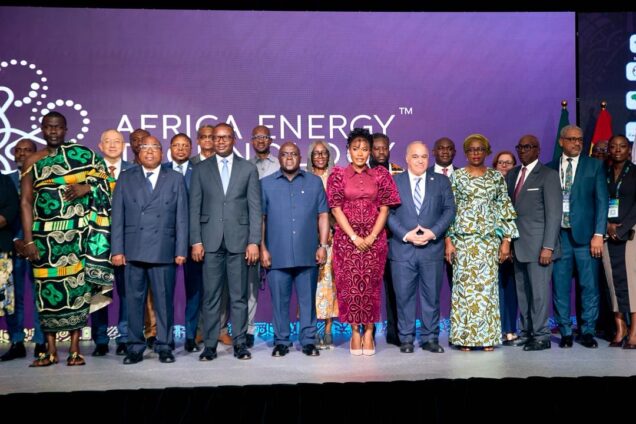
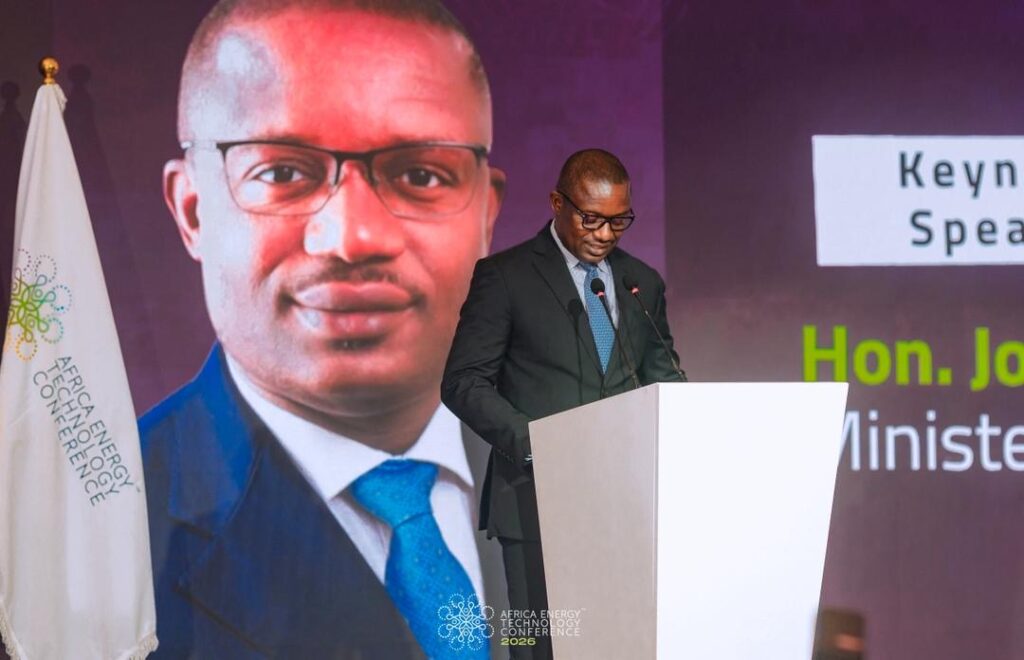
It was against this backdrop that the Africa Energy Technology Conference (AETC 2026) convened in Accra under the defining theme, “From Borders to Bridges: Driving Intra-African Trade & Development through Energy & Technology Services.”
The imperative was clear: to transition Africa from economic isolation to structural harmonisation.
Critically, the platform refused to decouple energy from technology. Energy without technology is merely dormant potential; technology without energy is an unbacked aspiration. Together, they constitute the foundational infrastructure of a modern, integrated African economy.
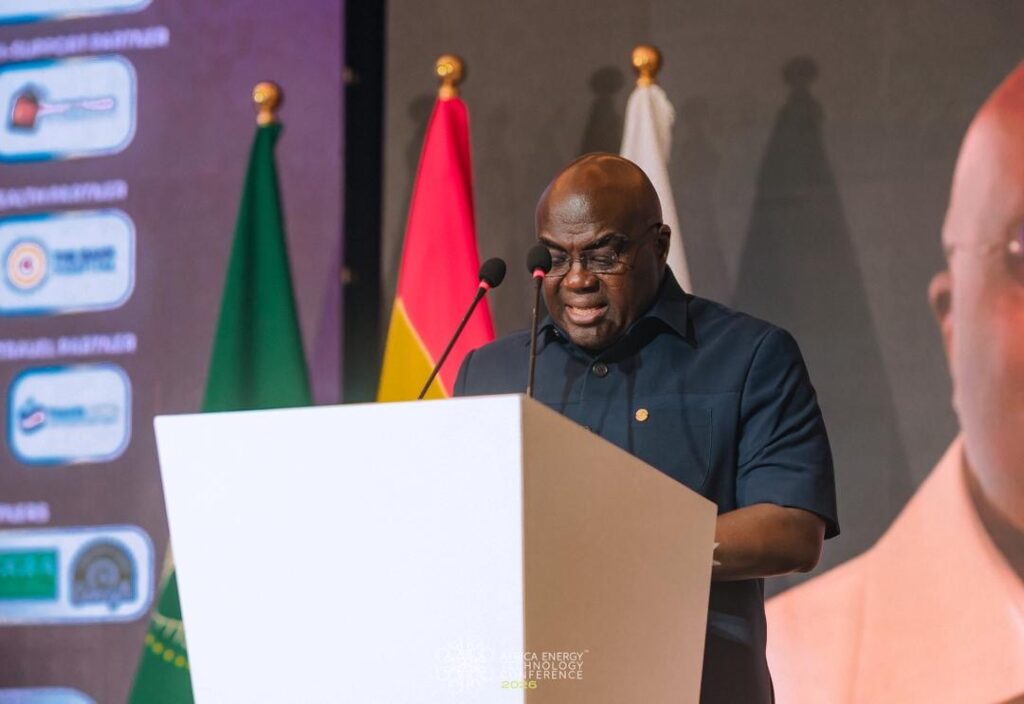
At this third edition of AETC, a paradigm shift took root, one defined by deliberate, courageous, and institutionalised execution. At the vanguard of this shift is the Africa Energy Technology Centre (AETC), a pan-African institution headquartered in Accra, Ghana.
The Centre’s mandate is to pivot Africa from a passive consumer of imported technologies into an active, globally competitive producer of homegrown innovation.
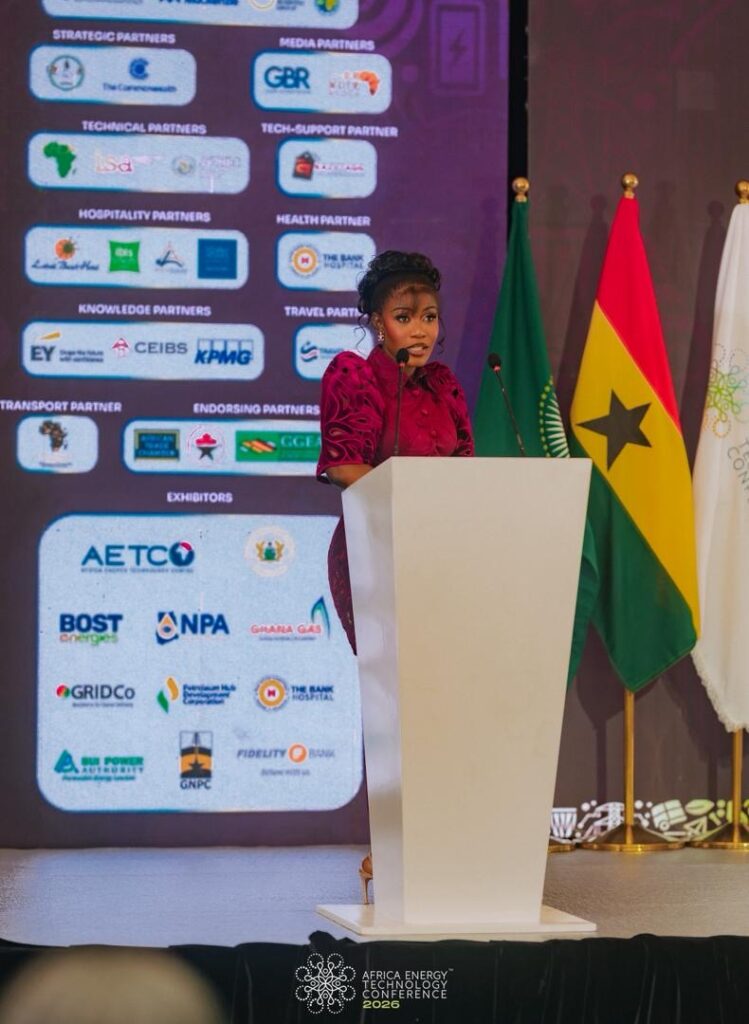
“The future is not something we wait for,” posited Emelia Cedar-Palm Akumah, Founder and President of AETC, during her plenary address. “It is an architecture we build deliberately, courageously, and sustainably.”
The paradox of Africa’s energy deficit is not a crisis of geology; it is a crisis of coordination, financing, and sustained political will. Under the African Continental Free Trade Area (AfCFTA), the continent commands a market of 1.4 billion people with a combined GDP exceeding $3 trillion. Yet, intra-African trade stagnates below 20 per cent.
The reality is stark: trade cannot move at the speed of economic ambition when infrastructure moves at the speed of regional bureaucracy. Without integrated energy systems, regional value chains remain entirely theoretical.
The Operational Pillars of Transformation
To bridge this chasm, the AETC has deployed three interconnected flagship initiatives engineered to fundamentally restructure Africa’s energy architecture:
1. The Youth Energy Entrepreneurship & Incubation Program (YEEIP)
Launched systematically during the conference, YEEIP shifts youth demographics from passive observers to active equity owners of Africa’s energy destiny. Targeting high-potential graduates and early-stage innovators, the programme delivers rigorous technical training, structured business incubation, mentorship, and catalytic seed funding.
By preparing the next generation of energy-tech pioneers to become investment-ready, YEEIP ensures that the demographic inheriting the consequences of today’s decisions holds a seat at the table where those decisions are negotiated.
2. The Africa Smart Energy Technology & Innovation Hub (ASETIH)
Established as a premier institutional laboratory, ASETIH is Africa’s first purpose-built centre dedicated exclusively to energy technology innovation, advanced workforce development, and international intellectual property (IP) creation.
Engineered to complement, not compete with, broader digital and AI initiatives, ASETIH serves as a nexus for local content development. Its mission is aggressively upward-mobile: to move beyond supplying manual labour for multinational projects and instead create an ecosystem where Africans design, patent, and own high-value energy technologies.
3. The Africa National Solar Prosumer Initiative (GNSPI)
GNSPI introduces a profound paradigm shift in utility economics by transforming ordinary consumers, including households, factories, schools, and public institutions, into decentralised clean electricity producers, or “prosumers.”
By deploying smart rooftop solar PV technology across eligible infrastructure and establishing net-metering compensation frameworks, the initiative democratises and decentralises the grid. It ensures that economic productivity, from cross-border trading enterprises to local manufacturing plants, is never halted by structural blackouts.
A Pragmatic Approach to the Energy Mix
A distinguishing feature of the AETC’s strategy is its insistence on technological pragmatism over ideological prescription. The Centre remains deeply committed to championing advanced technology integration within traditional oil and gas operations alongside renewable energy systems.
“We do not face a binary choice between energy security and environmental stewardship,” Akumah emphasised. “Through advanced technology, we can achieve
Latest Stories
-
Tear gas in Paris and Marseille as school protests grow across France
10 minutes -
Kane inspires England to win over Czech Republic in UEFA Nations League
19 minutes -
Finland orders halt to work on two Google data centres
28 minutes -
Substitute Merino scores twice as Spain win in Croatia
37 minutes -
Ronaldo wants Portugal ‘punishment’ but not retiring
45 minutes -
White House defends Trump comment to let Iran ‘take out’ LA and San Diego
54 minutes -
Asos confirms hackers sent ‘unauthorised’ notification to app users
55 minutes -
US televangelist Jim Bakker, disgraced from sex scandal and fraud, dies at 86
1 hour -
Congolese-born golfer to represent Ghana at Turkish Airlines World Cup grand final
1 hour -
Amazon wins global rights to stream Emmys in six-year deal
1 hour -
European Film Festival returns to Ghana after a 5-year break
1 hour -
PTA backs teachers’ strike, threatens street protest if gov’t misses October 30 deadline
1 hour -
Paramount takes over Warner Bros in $110bn Hollywood merger
1 hour -
Suspend offshore gold exploration licence – NAFAG urges gov’t
1 hour -
Investigators meet family, community over deaths of 3 children found in car trunk
1 hour