

Audio By Carbonatix
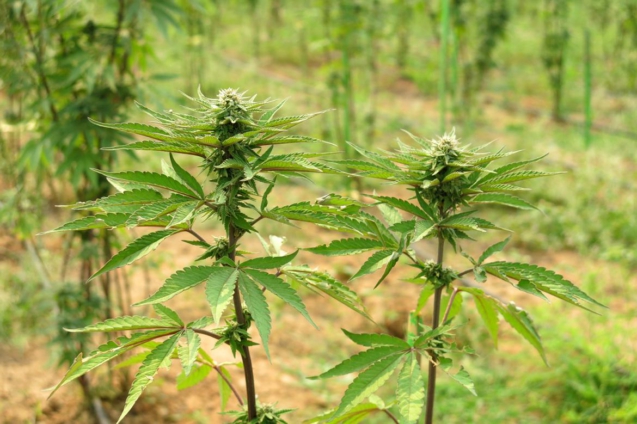
Parliament has passed into law the Narcotics Control Commission Bill 2019, legalising the growing of some cannabis for health purposes.
The Narcotics Control Commission Bill, 2019 which transforms the Narcotics Control Board (NACOB) into a commission with enhanced powers was passed late Friday night.
It empowers the Minister for Interior in consultation with other institutions like Ministry of Health to grant licenses for the production of cannabis of not more than 0.3 per cent Tetrahydrocannabinol (THC) for industrial and medicinal purposes.
THC is one of the about 113 chemicals found in cannabis.
It, however, does not give a blanket license for the growing of cannabis in the country.
“It is illegal to grow or posses cannabis without a license. And also growing cannabis of more than 0.3 per cent THC (the one people smoke) remains illegal,” Kunbungu MP Ras Mubarak clarified after parliament approved the bill.
He urged members of the public to respect the law and desist from abusing it.
“Parliament hasn't legalized cannabis for smoking. Possession of cannabis without lawful authority remains illegal.
"What we have approved is a different strain of cannabis, and vastly different from recreational cannabis which has more than 0.3 THC. This is not a license to smoke,” Mr Mubarak cautioned.
“There are real concerns about abuse. What we have approved is not the type people smoke. So those who are worried can be rest assured.
"And the law provides for stiffer punishment for people who cultivate or possess without lawful authority,” he added.
“What we have approved is not recreational marijuana. It's important for people to understand the difference.
"As a country, we have to follow the science and numbers for the good of our country,” Mr Mubarak said.
The bill also gives the narcotics Control Commission the mandate to control and eliminate trafficking of prohibited narcotic drugs to ensure public safety and oversee the rehabilitation of people who become addicted to drugs.
The bill also ensures drug abuse will be treated as a public health issue and not only a law enforcement one.
The bill will now go to the president for assent before it becomes law.
Latest Stories
-
Wealth Over Water: How Galamsey Is Threatening Ghana’s Water Security
16 minutes -
LA 2028: Black Queens pumped up for second leg of Mauritius tie
23 minutes -
LA 2028: Black Queens hold final training session ahead of second leg against Mauritius
57 minutes -
Standards are not Seasonal: What the EC appointments teach both sides
1 hour -
King Mohammed VI urges private sector to create youth jobs and spread benefits of growth
1 hour -
KGL U17 Colts 2026: Greater Accra win title after penalties win over Western Region
1 hour -
UK Investment Roadshow opens in London to advance UK-Ghana growth partnership
1 hour -
Assemblies of God requires pastors to resign before entering partisan politics – Rev. Wengam
2 hours -
Ghana targets 20% annual reduction in maternal deaths – Health Minister
2 hours -
Cyber attacks in Africa grow faster than global rate, report finds
2 hours -
Ghana signs UAE deal to create 5,000 overseas jobs
2 hours -
One Million Coders Programme targets 100,000 digital jobs in two years – Sam George
2 hours -
John Jinapor, Italian Ambassador explore opportunities for energy sector investment
2 hours -
NHIA seeks legal reforms to support Free Primary Healthcare
2 hours -
Beatrice Annan defends Afi Agbenyo’s EC appointment, cites record of gender advocacy
2 hours