

Audio By Carbonatix
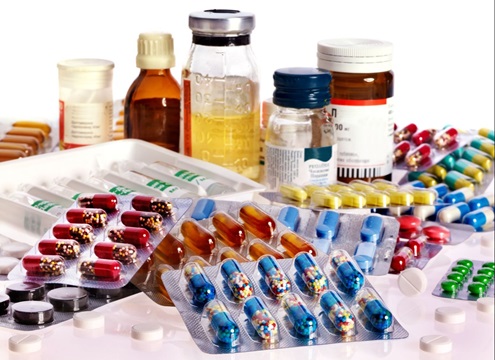
The Ghana National Chamber of Pharmacy (GNCoP) and the Pharmaceutical Importers & Wholesalers Association (PIWA) have jointly commended the Government of Ghana, the Ministry of Finance, and the Bank of Ghana for recent policy measures that have led to a significant and sustained appreciation of the Ghanaian cedi, particularly against the US dollar.
In a statement released on Wednesday, the two major pharmaceutical bodies described the cedi's performance as a "strong indicator of improving macroeconomic stability," noting that it is already delivering concrete benefits to Ghana’s heavily import-reliant pharmaceutical sector.
The sector, which imports a substantial volume of active pharmaceutical ingredients (APIs), finished medical products, consumables, and equipment, has seen operational costs ease due to the stronger local currency.
Among the key impacts cited are:
- Reduced Import Costs: The stronger cedi has lowered foreign exchange costs, translating to reduced prices of essential medicines and health products.
- Better Business Planning: Greater currency stability has improved predictability in pricing and procurement, especially for small and medium enterprises in the sector.
- Improved Access to Medicines: With financial pressure easing, pharmacies and hospitals are better placed to maintain stock levels of essential medicines, enhancing access and improving health outcomes.
Despite these gains, the statement acknowledged that many pharmaceutical businesses are still grappling with the effects of past currency depreciation, including high procurement costs for older stock.
Nonetheless, in a show of support for the government’s inflation control measures and in the interest of public health, the GNCoP and PIWA have announced a price reduction of 5% to 15% across the board for pharmaceutical products.
“This decision is a demonstration of our sector’s commitment to national development and public health,” said Pharm. Audrey Serwaa Bonsu, Chief Executive Officer of GNCoP.
“We are ready to contribute meaningfully to reducing inflation, alleviating pressure on consumers, and improving access to medicines.”
The pharmaceutical bodies also urged the government to sustain its prudent economic management and increase support for private sector players, particularly in healthcare.
They reaffirmed their commitment to collaborating with all stakeholders to ensure medicine security, affordability, and resilience in Ghana’s public health system.
The price cut is expected to provide much-needed relief to both consumers and healthcare providers, especially amid ongoing efforts to curb inflation and stabilize the economy.
Latest Stories
-
“US Embassy introduced TRIBE Culture Fest to NSA, GTA” – Kofi Adams
23 minutes -
“NSA did not tell us of any embassy arrangement” – Kofi Adams
46 minutes -
Glasner suffers loss on Selhurst return as Palace beat Forest
2 hours -
WAFU B U17: ‘We won but I expected more from my boys’ – Kassim Ocansey
2 hours -
Man City cruise to statement win over 10-man Liverpool
3 hours -
Be careful with cross-border lending, foreign currency exposures – BoG to financial institutions
5 hours -
GPL 2026/27: Medeama go three clear as Hearts of Oak recover and Bechem stage stunning comeback
5 hours -
Ntiamoah Foundation launches “BEYOND 20” anniversary campaign
5 hours -
Credit Risk Management Directive: BoG to begin implementation for banks, others from July 1, 2027
6 hours -
Ghana Brands Awards 2026: Leading brands, business trailblazers to shine on November 20
6 hours -
T-bills auction: Demand improves as government exceeds target by about 76%; interest rates soften
6 hours -
Ziope undertakes initiative to build a technologically inclined community, commissions self-help ICT lab
6 hours -
ECG announces power outage in parts of Tema, Central Region due to network fault, maintenance
7 hours -
When the Gospel Becomes a Weapon: The church, blackmail and the abuse of faith
7 hours -
JoyNews’ Jacqueline Ansomah Yeboah selected for UK Media Excellence for Emerging Technologies Fellowship
8 hours