

Audio By Carbonatix
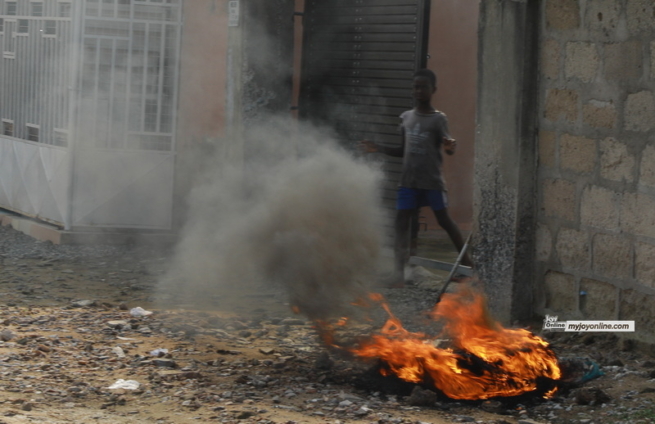
The open burning of waste in residential areas affects many people in Ghana as it pollutes the air and limits air quality. This age-old habit remains rampant in many communities across the country.
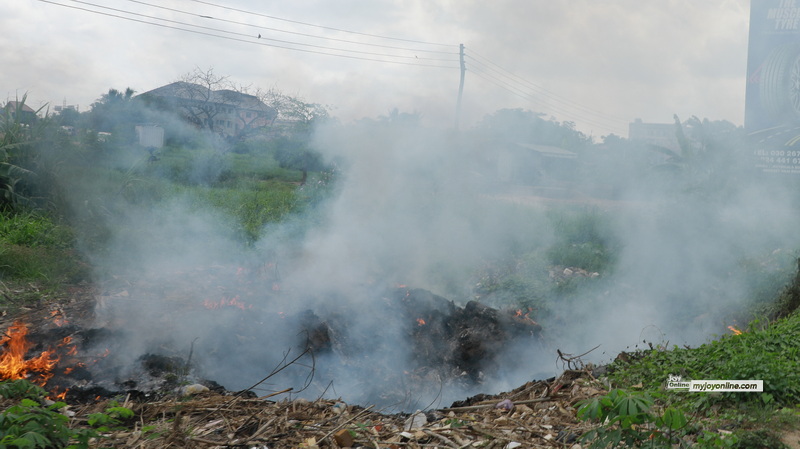
In the Ga South Municipality in Accra - including Kokrobite, Ashalaja, Ngleshie Amanfro, Galilea, Ghana Flag, American Farm, and Peace Town – four in every ten households burn their waste according to a count by this reporter.
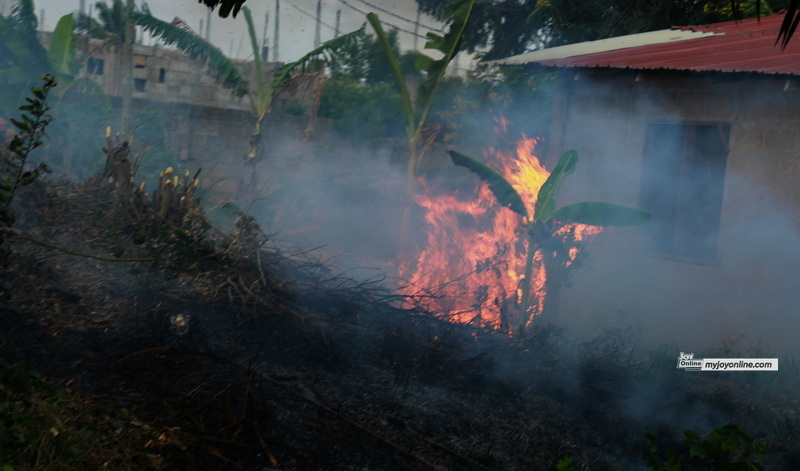
During a recent fact-finding tour by photojournalist David Andoh, residents cited irregular waste collection, poor road networks, and exorbitant waste management charges as the major reasons why they burn their waste.
Currently, the monthly fee for the collection of a 240-litre dustbin per household stands at GHȼ50 or $US3.30. That’s a lot of money for many households in these communities.
Ghana’s economic crisis has driven another 1.3 million people into “multidimensional poverty” in the last year - meaning they live on less than $2.15 a day.
While this practice has decreased in urban areas due to stricter environmental law enforcement, it remains prevalent in peri-urban areas like Ga South, where enforcement is weak.
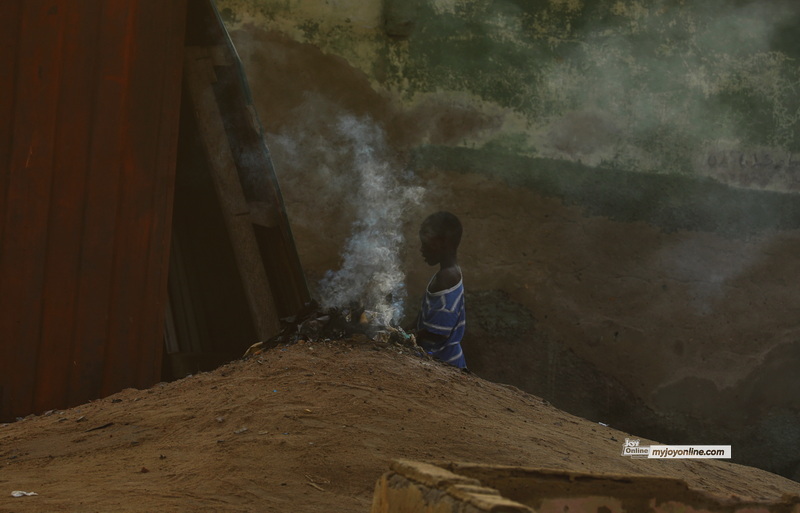
The municipality, with a population of 350,000 people, sees four out of ten households engaging in open refuse burning according to a count by this reporter.
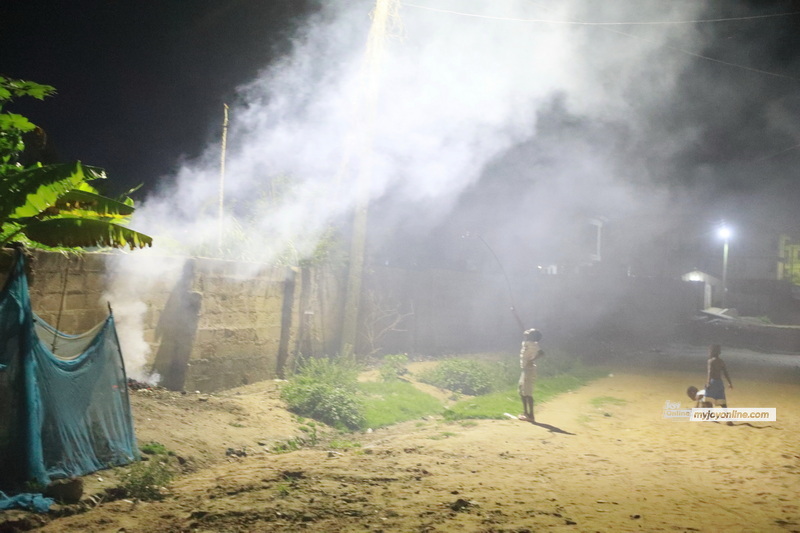
Residents say they are aware of the smoke's irritation and discomfort but often unaware of the severe health consequences. To avoid complaints, refuse is typically burned at night or dawn.
Ghana produces a significant amount of consumer-related waste, especially plastics. According to a 2010 United Nations Commission on Sustainable Development National Report, the country generates over 30,000 metric tons of plastics annually, with an additional 12,000 metric tons imported each year.
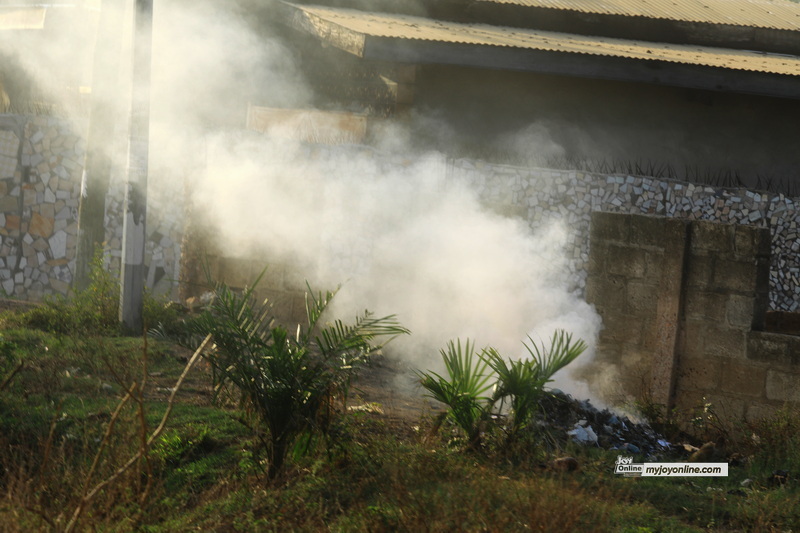
A significant volume of these plastics ends up being burned in communities, exacerbating the waste problem.
Open burning releases toxic chemicals, including nitrogen oxides, sulphur dioxide, volatile organic chemicals (VOCs), and polycyclic organic matter (POMs), which pose long-term health risks. Chemicals like benzo(a)pyrene (BAP) and polyaromatic hydrocarbons (PAHs) from burning plastics are known carcinogens. Additionally, burning contaminated agricultural bags can release harmful pesticides into the air.
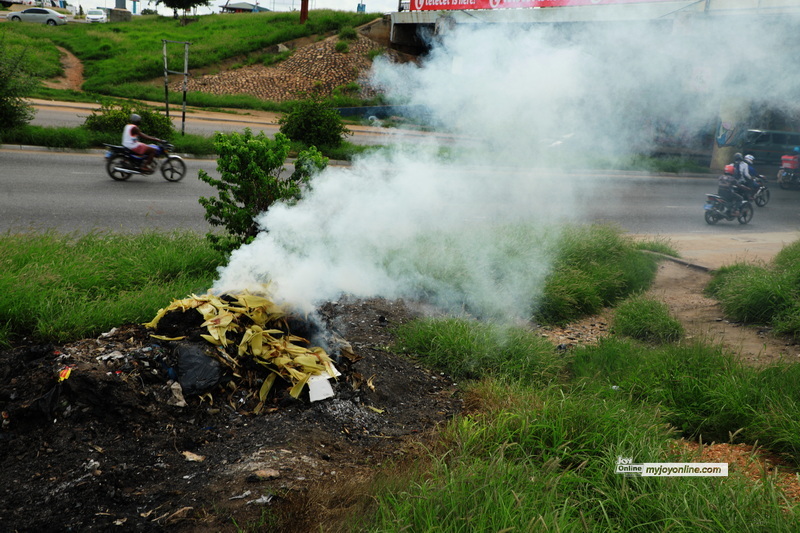
Dr Kwabena Appiah, founder of the American Farm Community Clinic in Ngleshie Amanfro, detailed the health impacts of open burning, noting its contribution to respiratory infections and its severe impact on asthmatic patients.
Smaller particles also enter the bloodstream causing and exacerbating heart disease, stroke, diabetes and cancer. Dr Appiah warns that the increasing prevalence of this practice could have dire consequences if not addressed promptly.
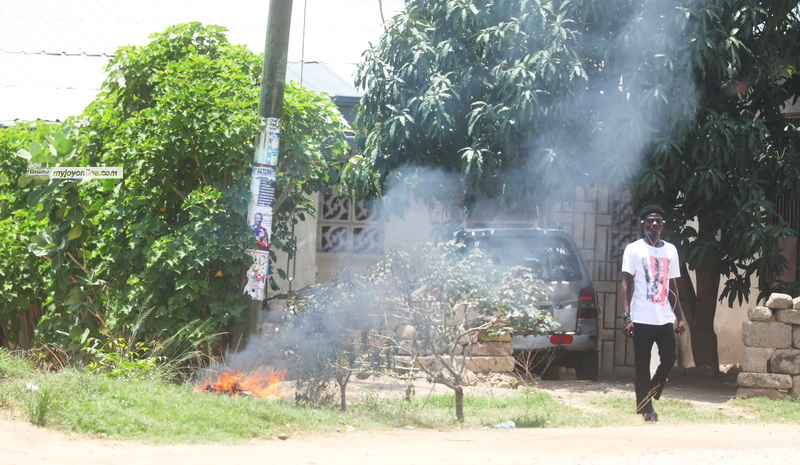
Poor road networks hinder waste management companies from effectively collecting residential waste. The lack of well-planned and efficient waste management strategies, rapid population growth, urbanization, inadequate waste bins, and low public awareness are major factors contributing to poor waste management in Ghana.
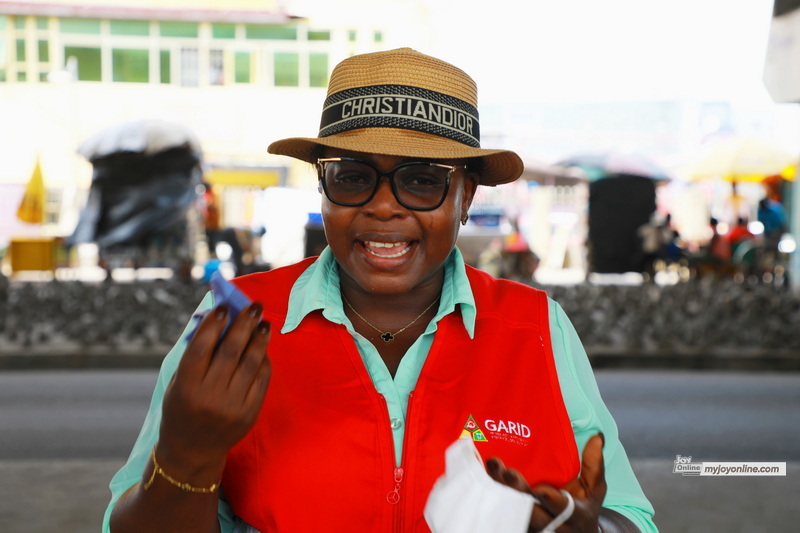
Florence Kuukyi, Environmental Public Health Director of the Accra Metropolitan Assembly, said open burning violates the sanitation by-laws and the Criminal Offences Act 29, 1960. She warned that offenders would face fines or imprisonment of up to three months. Kuukyi also criticised the media for failing to educate the public on the dangers of open burning.
Residents, such as Yaa Agyeiwaa of Ashalaja Dzifa Akily of Peace Town, reported that waste management trucks rarely service their areas, leading to community-designated dumping sites where refuse is burned. Many residents are unaware of the severe health risks, with some only acknowledging minor irritations like eye discomfort.

Addressing these issues requires improved road networks, effective waste management strategies, and heightened public awareness about the dangers of open burning according to experts. Medical officials warn that failure to act could result in significant health and environmental repercussions for the communities in the Ga South Municipality.
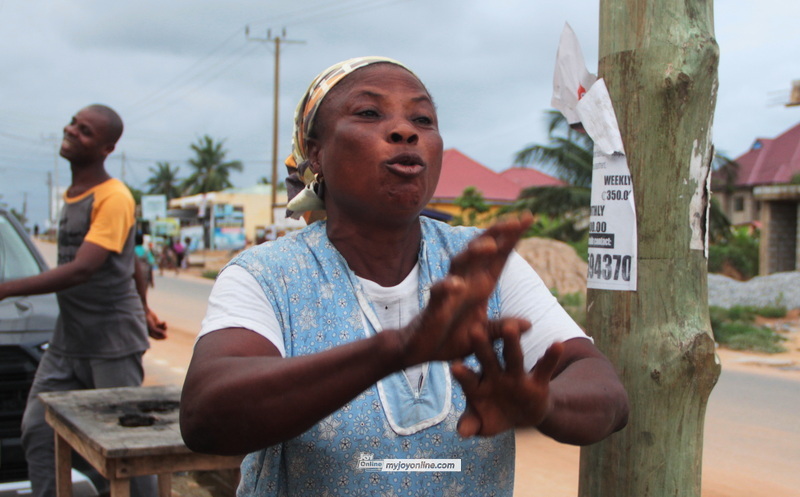
This photo essay was done in collaboration with New Narratives as part of the Clean Air Reporting Project.
Funding was provided by the Clean Air Fund. The funder had no say in the story’s content.
Latest Stories
-
Fire destroys 3-bedroom house at Bogyawe
4 minutes -
Why the Supreme Court is a “policy court” – Justice Richard Adjei-Frimpong breaks it down
9 minutes -
Playback: The Law discussed Supreme Court @150
1 hour -
MTN Momo staff walk to promote wellness and fitness
2 hours -
Assafuah: Sedina Attionu’s return from Nevada will test government’s commitment to accountability
2 hours -
How GRA’s Modified Taxation Scheme is boosting revenue compliance & SMEs competitiveness
2 hours -
Stonebwoy Can Do It: A call to unite behind 2026 BHIM Fest
2 hours -
World Shea Expo returns to Tamale for 2026 edition
2 hours -
Prioritise cocoa sector with better prices, timely payments-Annoh-Dompreh urges NDC
3 hours -
Lands and Mines Watch Ghana endorses Heath Goldfields’ mining capacity
3 hours -
Gbintiri residents protest alleged diversion of 24-hour market project
4 hours -
Justin Bieber headlines Coachella with nostalgia-fuelled set
4 hours -
Ukraine and Russia accuse each other of hundreds of ceasefire violations
4 hours -
Asha Bhosle: The sound of Bollywood dies aged 92
4 hours -
Fire destroys section of 4-bedroom apartment at Tantra Hill
4 hours