

Audio By Carbonatix
She’s arguably the most-travelled Ghanaian woman based in Ghana, with 90 countries visited so far – many of those many times over.
This also puts her in a small group of people globally to have chalked this feat.
And she did them as a solo female traveller.
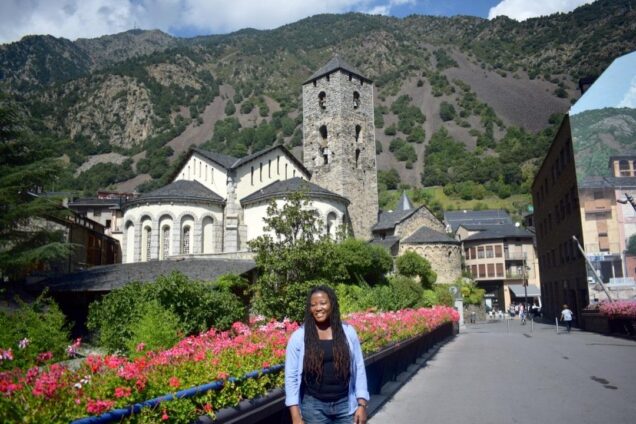
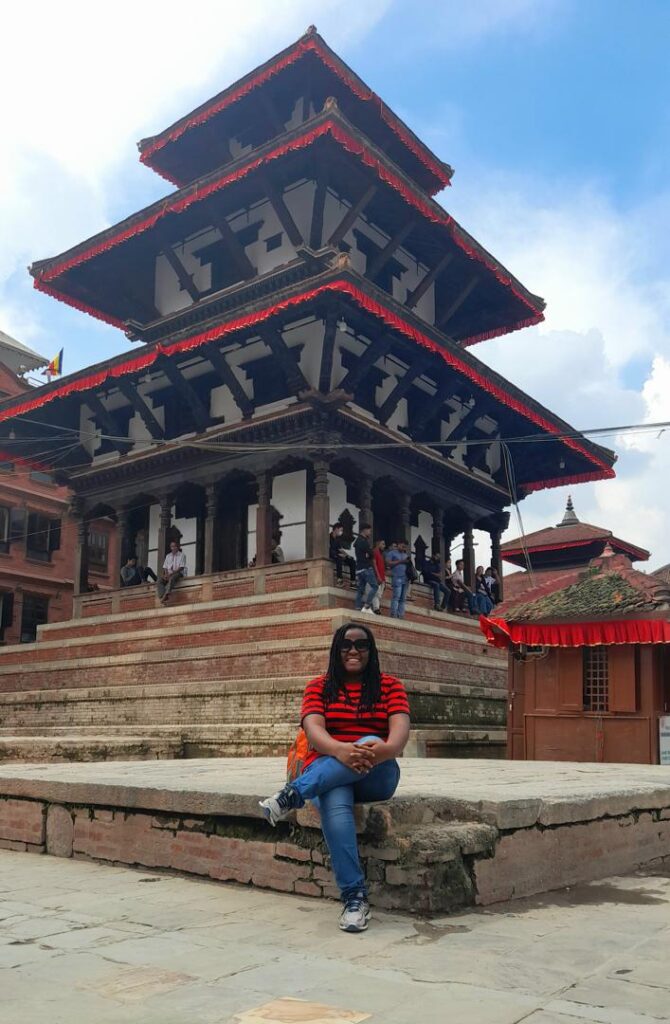
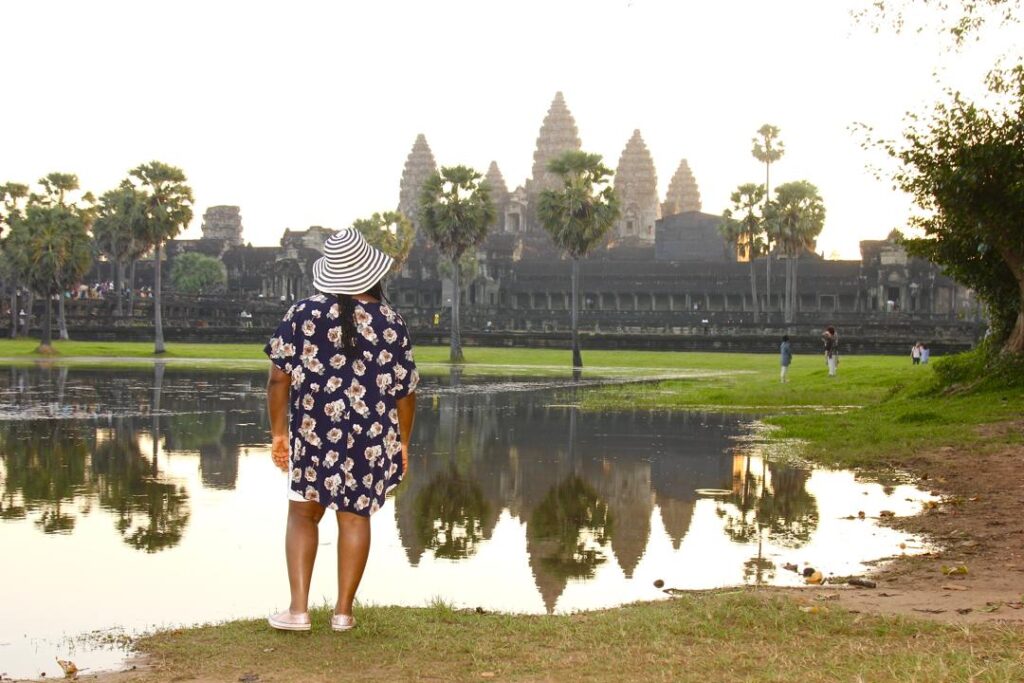
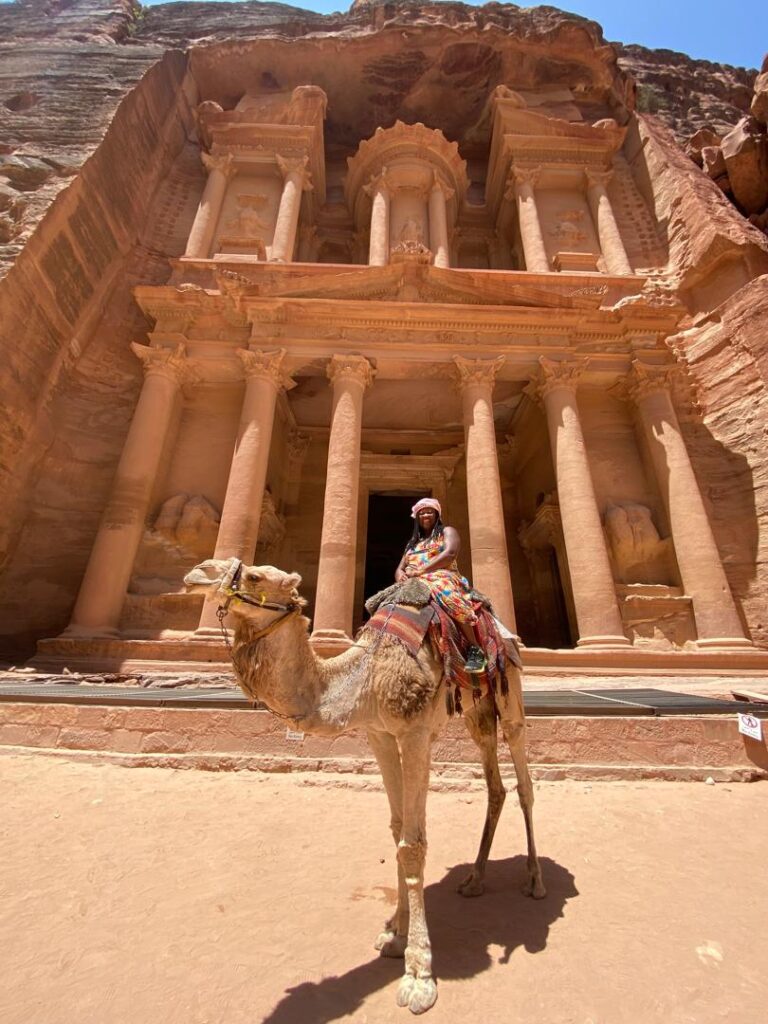
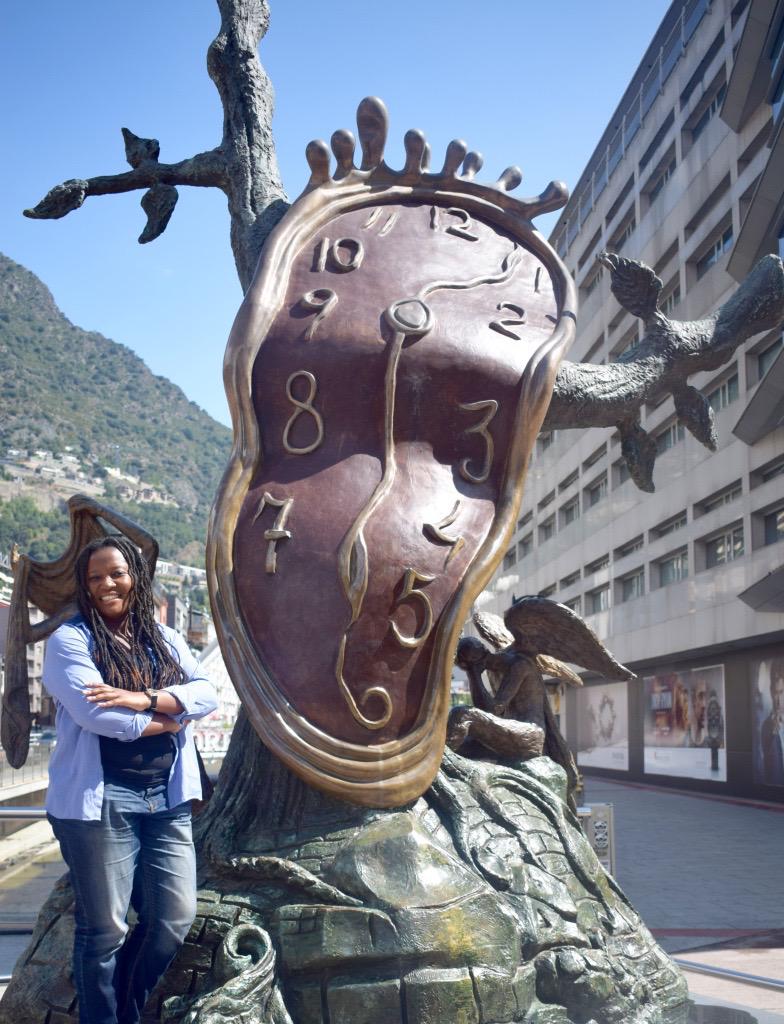
Her first trip was to Burkina Faso in 2007. She’s since been to Panama, Jordan, Cambodia, Vietnam, Montenegro, Albania, Bosnia and Herzegovina, Mauritania, Nepal, Andorra, Namibia, Nicaragua, Mexico, Costa Rica, New Zealand, Djibouti, Guinea Bissau, India, Senegal, Ireland, Mali, Egypt, Spain, Finland, New Zealand and many other countries.
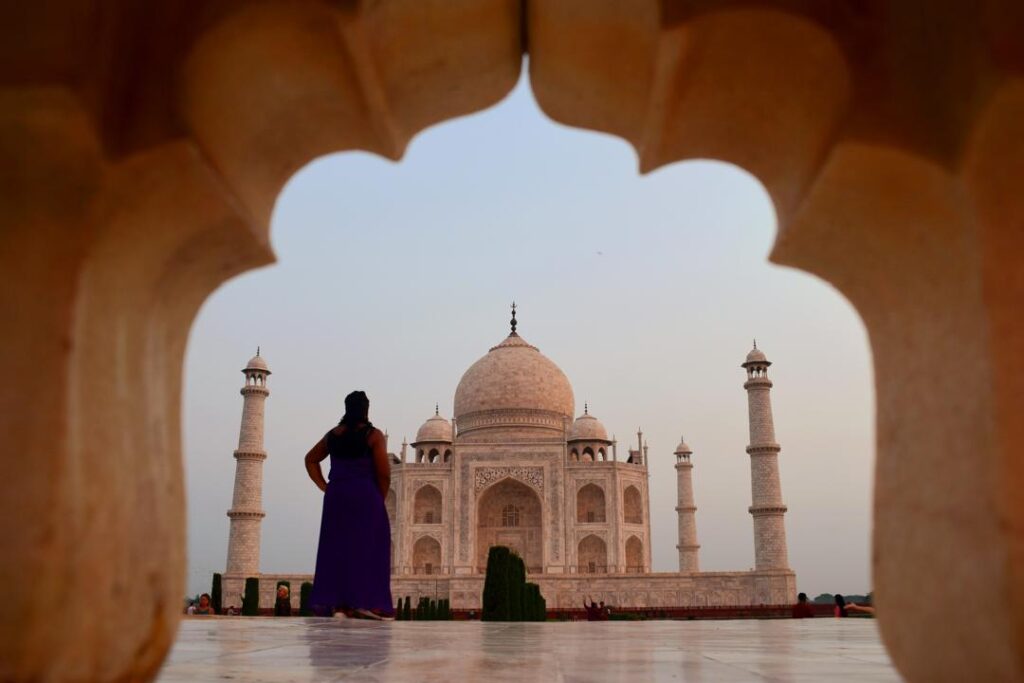
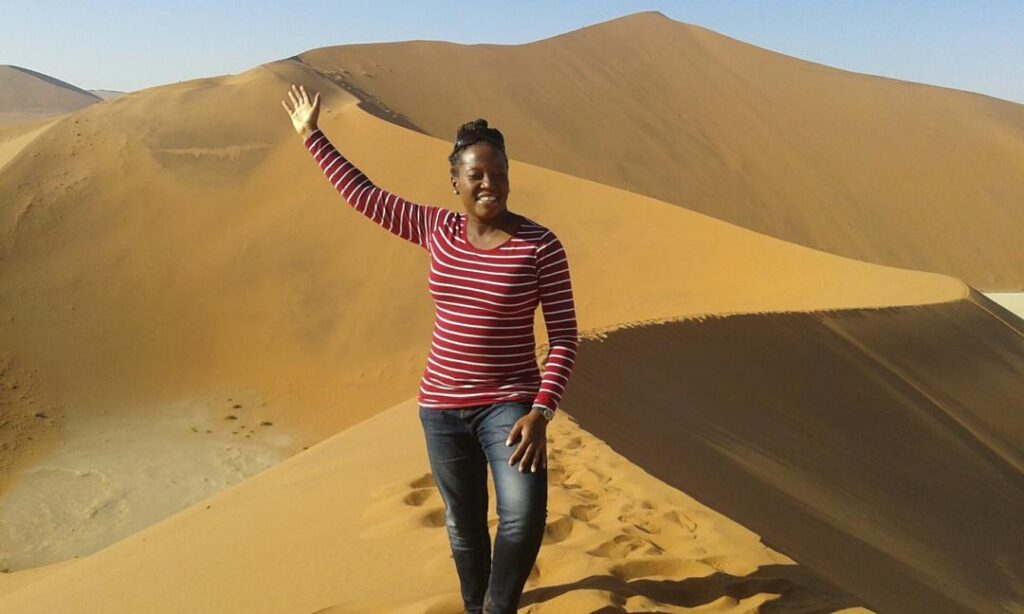
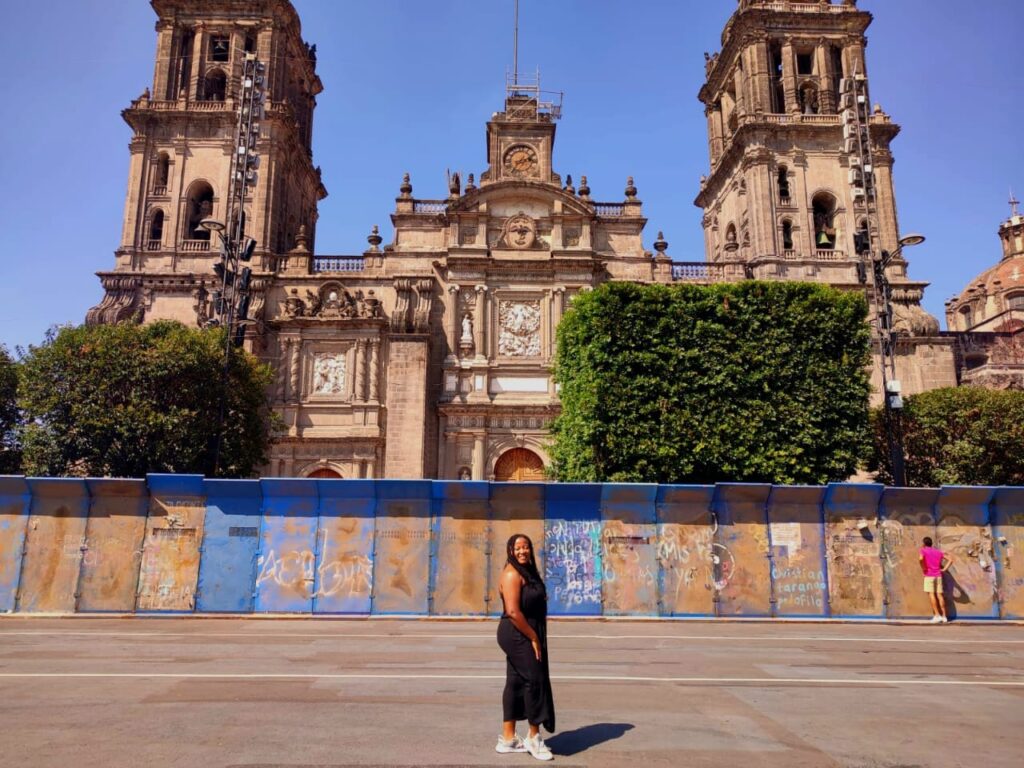
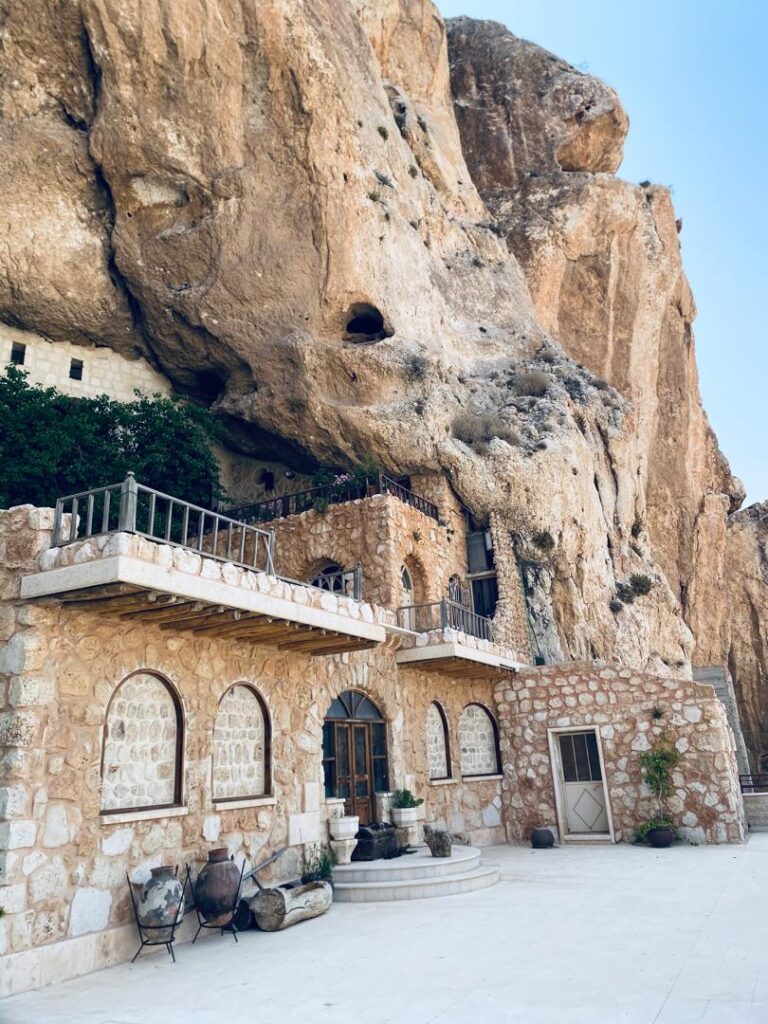
In 2025, she made it to Syria, her 90th country.
"Adventure is my oxygen," she says. "It keeps me alive. You cannot separate adventure from who I am”
For Princess Hatiyya, that pull isn’t occasional. It’s constant. Without it, she says, she would feel hollow. It fills her waking hours. The evidence is everywhere: maps spread across tables, guidebooks within reach, globes marking imagined routes, shelves lined with adventure literature and memorabilia.
"These are constant reminders that I am always on a journey, both literal and metaphorical."
How did it all start?
The love didn’t appear overnight. It was shaped by her upbringing and early exposure to books and adventure.
“My parents were voracious readers. As a child, reading was not just encouraged, it was a way of life, and books became my gateway to adventure. We were regular visitors to the library in Tamale, sent there twice a week, to read and borrow books.
Through books like ‘Gulliver’s Travels’, the ‘Story of Captain Cook’, and Enid Blyton’s Adventure Series, she imagined ships on open seas, hidden caves, distant islands, and unfamiliar lands. In the 1960s, 70s, and 80s, her parents travelled within and outside Ghana, and their stories quietly reinforced her curiosity.
By secondary school, geography had become her favourite subject. At St. Mary’s Secondary School in Accra, Her Geography Teacher, Mrs Owusu Darko, brought it to life with vivid lessons on hydroelectric power—using the Hoover Dam, the Three Gorges Dam, the Aswan Dam, and Ghana’s own Akosombo Dam as examples.
"…while I enjoyed Physical Geography—rock formations, landforms, and climate, it was Human Geography that truly captured my heart: people, cultures, economies, and the intricate ways they intersect."
That thread continued at OLA Girls’ School in Ho, where she studied geography for her A’ Levels.
After school, her interest in geography and in the lives of great adventurers intensified. She became captivated by Ibn Battuta, the Moroccan explorer who spent nearly three decades, from 1325 to 1354, travelling across Africa, Asia, and the Iberian Peninsula.
"He is widely regarded as the most extensively travelled explorer of the pre-modern world," she notes. His journeys covered an estimated 117,000 kilometres—far exceeding Zheng He and Marco Polo. "The scale of his movement felt almost unreal, especially when I considered the era in which he travelled, without modern transport or certainty of return."
Through the travels of Ibn Battuta, she didn’t just see distance. She saw a way of seeing the world.
"Reading his story, I felt something settle within me. I knew, with quiet conviction, that one day I too would set off—drawn by the same urge to explore foreign lands and understand the world beyond my own." She says
And then, one day, that moment arrived.
How she travels…...?
When people hear she’s travelling around the world, they imagine luxury: business-class flights, five-star hotels, champagne by an infinity pool, Michelin-star dining, bespoke tours.
"Let me set the record straight," she says. "My journeys look very different."
She mostly travels by road between destinations and countries. She stays in hostels, sleeping on bunk beds in shared dormitories. She cooks in hostel kitchens or eats affordable street food. She gets around by walking or using public transport—tuk-tuks, buses, trains, okadas, trotros, and whatever else locals use.
Her choices are deliberate. She researches and opts for experiences that cost little to nothing: free walking tours, hikes, local markets, museums on free-entry days, libraries, national monuments, and most importantly, time spent with local people.
"For me, travel is about cultural immersion, adventure, and learning. I value authentic local experiences far more than luxury comforts. I travel with an open mind and a flexible spirit, embracing simplicity and daily inconveniences as part of the adventure rather than obstacles to it."
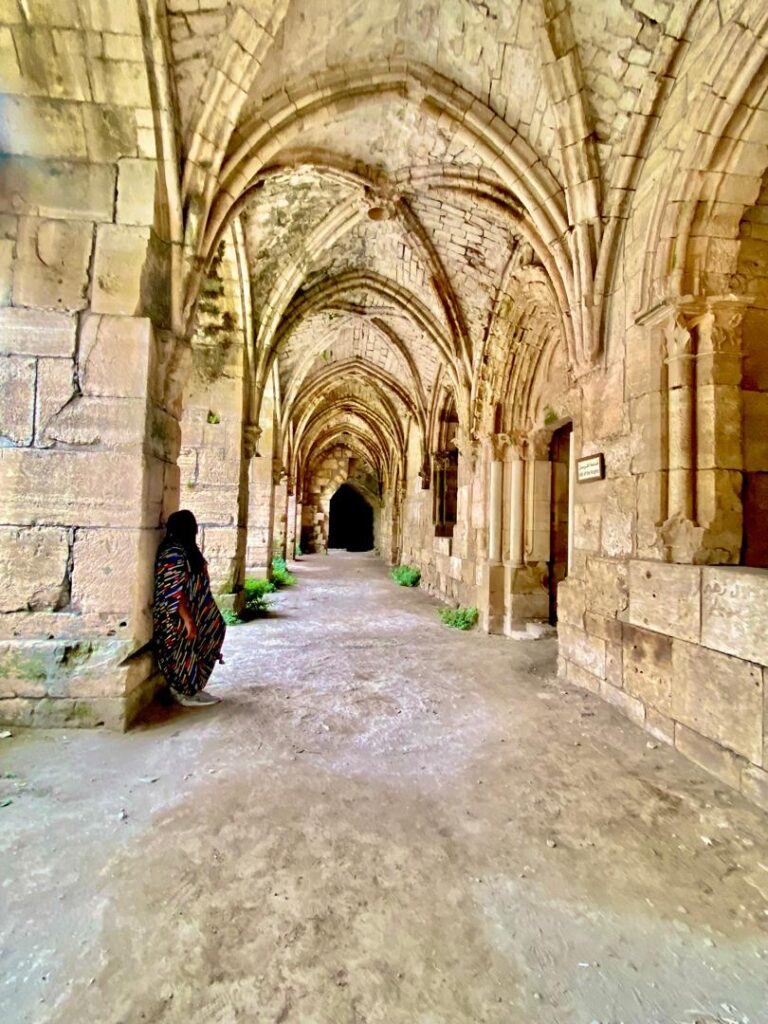
How do people react when they see you travelling solo as a Black African woman?
“In some smaller towns and villages, people are shocked to see me. In Kotor in Montenegro, for example locals stared, but because I have been to many places, I know their stares are not necessarily malicious. But rather curiosity. I smile and say hello. If it’s an English-speaking place, I engage; otherwise, I just move on.”
What has travel taught her?
“Travel has made me more courageous. It has taught me that humans are the same everywhere. We have the same worries and cares. We want a safe place to live, a job, a roof over our head and safety for our families”
“It has shattered my ignorance and made me more accepting of others and their traditions. Imagine finding out that insects are a delicacy in parts of Cambodia or in Iceland, for example, ‘Kæst Skata’, a smelly fish, is eaten during the festive season."
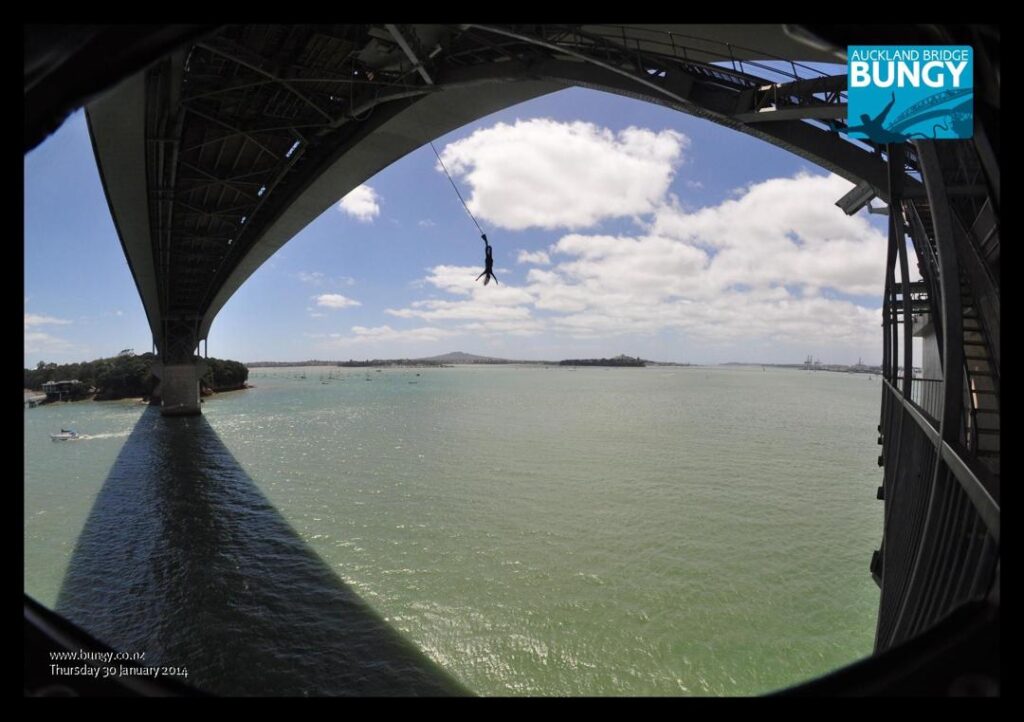
“I have also learnt a lot about the tangibility of kindness on the road. I have been hosted by total strangers or people I just met at a bus station who just wanted to share and asked for nothing in return”.
“Travel has taught me that the world is not as dark and dangerous as we are made to believe. There is beauty in people and in places all around us. Even in Syria (the 90th country I visited), where natives are rebuilding after the war, they were kind, welcoming and warm.”
Latest Stories
-
Nana B passport claims a diversionary tactic — Abu Jinapor
48 minutes -
Pope Leo diagnosed with cancer as doctors remove lobe of lung, Vatican says
48 minutes -
Legal Aid Commission takes free legal services to Techiman main lorry terminal
53 minutes -
Nana B denies seeking passport favour, accuses Ablakwa of failing to account for GH¢16.4m
58 minutes -
Young girls demand climate action, stronger protection against child marriage
1 hour -
Ex-gang boss sentenced to 40 years for orchestrating Tupac Shakur’s murder
1 hour -
From near-deferral to three awards: UMaT graduate’s academic journey
1 hour -
Atta Akyea denies seeking presidential pardon for Wontumi in galamsey case
2 hours -
Photos: Mahama commissions 85-bed Police Hospital ward, donates two ambulances
2 hours -
GTEC directs Ghana’s public universities to reopen by October 16 and begin lectures on October 19
2 hours -
Star Oil donates GH¢1million towards construction of new CID facility
2 hours -
Court hands Adjetey Sowah, two others lifetime bans after Amputee Football legal dispute
2 hours -
NDC appoints Julius Kwame Anthony as a Deputy Communications Director
2 hours -
Ghana repatriates 120 Nigerians rescued from suspected cybercrime centres
2 hours -
NPP rejects Emelia Agbenyo’s appointment as Deputy EC Chair, demands withdrawal
2 hours