

Audio By Carbonatix
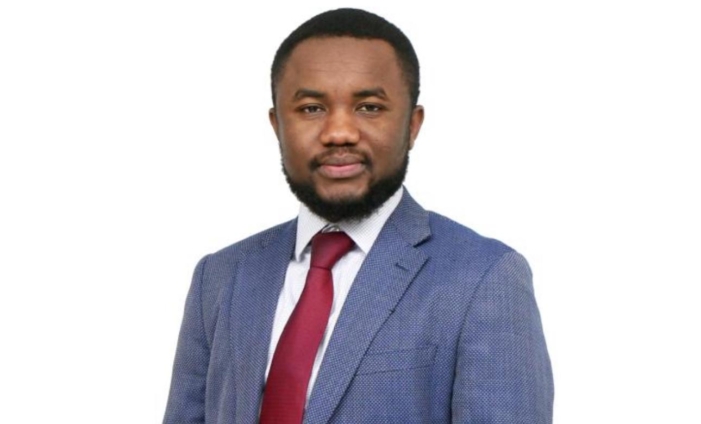
Associate Professor of International Trade at the School of Economics, Finance and Law, Anglia Ruskin University (UK), Professor Evans Akwasi Gyasi, has urged African leaders to prioritise intra-African trade over engagements with distant markets.
Speaking at the launch of the Trade Growth Network in Accra on Friday, 20th June, Prof Gyasi stressed the need for African countries to deepen regional trade ties as a pathway to sustainable economic development across the continent.
Citing the gravity model of trade, he explained that countries naturally trade more with geographically closer partners due to lower transport costs and shared cultural and economic connections.
"We have what we call a gravity model. It is better to trade with your neighbours than to trade with people who are far away from you. What prevents Ghana from trading with Togo or Ivory Coast?" he questioned.
He acknowledged that many African nations produce similar goods, but urged them to focus on leveraging each other’s strengths for mutual benefit.
"One thing about African countries is that there is commonality between the goods that we sell, but the point is that we can leverage on each other. What can we do best? Can we steer our SMEs to focus on the strengths of their countries so we can build on that? That can bring about expansion and growth for the economy and the continent as well," he added.
Prof Gyasi also highlighted the African Continental Free Trade Area (AfCFTA) as a game-changer, capable of unlocking Africa’s economic potential if properly implemented.
“The practical things ought to be done. We can maximise and leverage the potential that the African Continental Free Trade Area agreement offers, as well as the opportunities presented by other regional bodies,” he said.
He emphasised that successful implementation of AfCFTA would not only foster regional integration but also support job creation, improve competitiveness, and build resilient local industries across Africa.
The launch of the Trade Growth Network brought together key stakeholders from the business and academic sectors, united in a vision to enhance policy advocacy, strengthen trade partnerships, and empower Small and Medium-Sized Enterprises (SMEs) to compete effectively in both regional and global markets.
Professor Gyasi’s remarks struck a chord with participants, many of whom echoed his call for African nations to shift focus towards building a more self-reliant and interconnected continental economy.
Latest Stories
-
From Campaign Propaganda to Gov’t Accountability: When the message-makers demand a seat at the table
7 minutes -
Ashanti Region Security Coordinator warns sand winners to stay off Accra–Kumasi Expressway site
12 minutes -
PZ Cussons Ghana promotes hand washing among schoolchildren through Camel campaign
35 minutes -
30 NDC aspirants file nominations in Upper West as regional election approaches
49 minutes -
UPSA launches laptop assembly plant, requiring new students to assemble their own devices
55 minutes -
UCC sociologist calls for action on gender inequality to end child marriage
56 minutes -
LSN questions Ghana’s proposed five-year presidential term and DCE election reforms
57 minutes -
AFCON 2027Q: Bjorkegren to lead Black Stars for Somalia doubleheader with Tanko and Attram as assistants
59 minutes -
AMA completes road repairs on Kwame Nkrumah Avenue
1 hour -
Law Students’ Network warns executive dominance could undermine constitutional review
1 hour -
Mahama to meet relevant stakeholders over concerns about the new Customs Act
1 hour -
CHASS demands a 20% increase in SHS funding and payment of outstanding debts
1 hour -
Investigation launched after male body found in County Cork
1 hour -
We have been scammed by NDC, government is only doing PR – Abanga Fuseini
1 hour -
Tamale Teaching Hospital records 44 new breast cancer cases in six months
1 hour