

Audio By Carbonatix
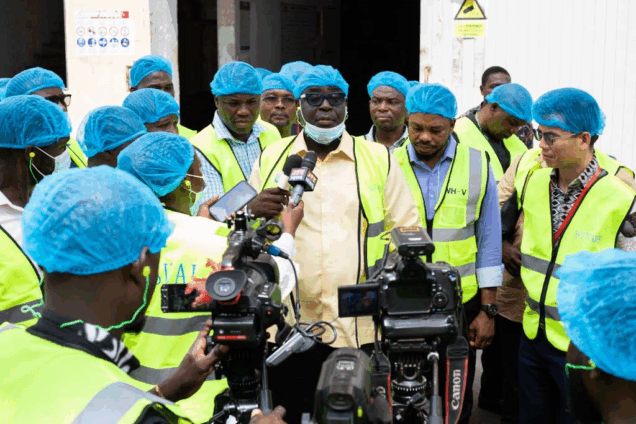
Ghana’s local manufacturing industry is sounding the alarm over a growing public health threat posed by the influx of low-quality imported baby diapers.
Industry leaders are calling on the government to declare the situation a national public health emergency.
An industry executive warned that many of these imported diapers lack essential safety information and are produced without proper regulatory oversight, exposing infants to serious health risks.
“This is not merely an industry concern—it is a threat to the nation’s children and, therefore, the future of Ghana,” he said.
With approximately 800,000 babies born in Ghana each year and millions of diapers consumed annually, the stakes are high.
Experts say continued exposure to substandard diapers could lead to skin disorders, infections, and other serious medical conditions among infants.
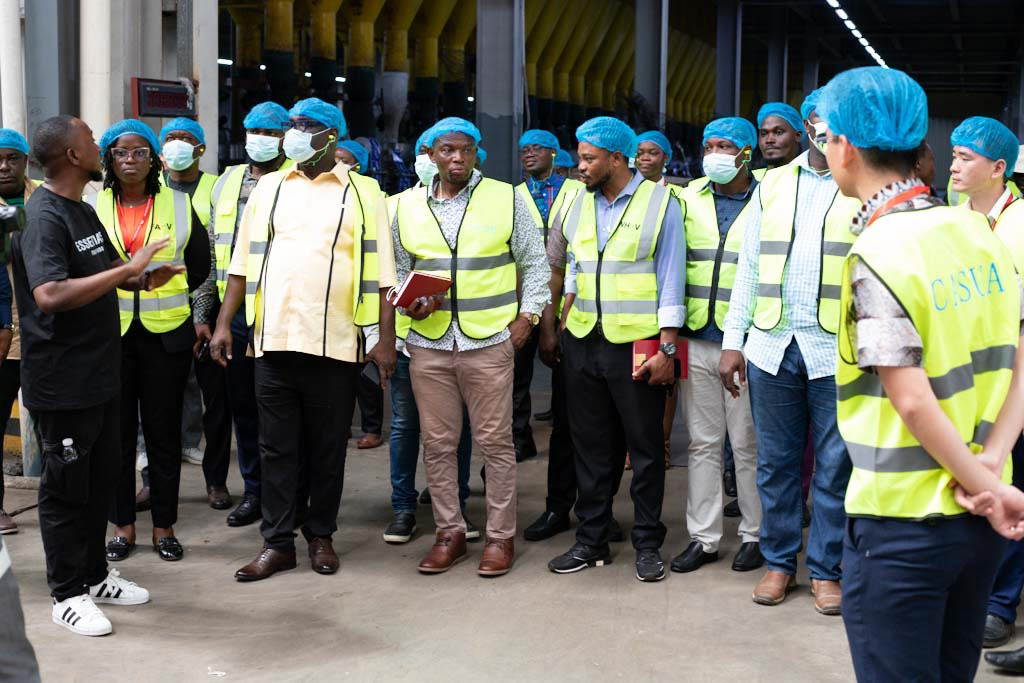
The issue is not only a health concern but also an economic one. Ghana imports over 300 million diapers annually, leading to an estimated loss of $2.2 million due to under-declaration and weak regulation.
Local manufacturers argue that Ghana can meet domestic demand. The sector boasts an annual production capacity of three billion diapers—three times the country’s needs, making the case for curbing unnecessary and inferior imports.
Key recommendations from the industry include:
- Banning the importation of substandard diapers at the source.
- Enforcing strict pre-shipment inspections and boosting market surveillance.
- Increasing tariffs on finished consumer goods to protect the local industry.
- Officially designating substandard diaper imports as a national health threat.
Parliamentary and Association of Ghana Industries (AGI) leaders have pledged their support for stronger enforcement and policy reform.
Parliamentary representatives emphasised the urgent need to protect public health, while AGI officials underscored the readiness of local manufacturers to meet national demand if given a fair playing field.
The manufacturing sector says it remains committed to working with government and regulatory agencies to ensure Ghanaian children are protected by access to safe, high-quality products.
Latest Stories
-
New cost-sharing model for Digital TV broadcasters to take effect in 2027
12 minutes -
Poor English, Maths performance shows Ghana’s literacy crisis – Dr Peter Anti
14 minutes -
Ghana’s SIM registration history from 2010 to the new biometric verification system
33 minutes -
Police arrest dozens, recover weapons in nationwide anti-robbery operations
39 minutes -
Parents cautioned against fraudsters promising SHS placement changes
40 minutes -
Selecting schools after results a backward approach – Abuakwa MP
48 minutes -
Ransford-Yeboah Königsdörffer scores on emotional return as Mainz hammer Hamburg 5-0
51 minutes -
Xenophobic attacks: Ghana spent GH¢49.72m evacuating 1,900 citizens from South Africa
52 minutes -
A rising number of women have never been screened for cervical cancer. Here are the risks
1 hour -
Ghanaian youngster Sam Amo-Ameyaw scores brace in Strasbourg’s big win
1 hour -
2026 U-20 WWC: ‘We have a chance to recover from opening defeat’ – Charles Sampson
1 hour -
‘Social media language’ in classrooms not on our blind side – Education Ministry
1 hour -
Republic Bank, UPSA sign MOU to strengthen staff skills and industry-academia collaboration
1 hour -
World Literacy Day: Literacy doesn’t develop in isolation – JustED Foundation
1 hour -
Kwadwo Opoku announces arrival in Greece with debut brace
1 hour