

Audio By Carbonatix
The Minister of Labour, Jobs and Employment, Dr Rashid Pelpuo, has called for a public sector pay framework that balances fair remuneration with the state’s fiscal capacity.
He said remuneration should be fair, decent and reflective of workers’ contributions to national development while remaining fiscally responsible and sustainable.
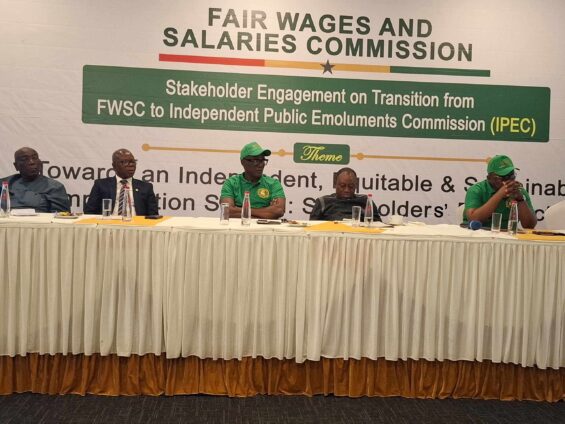
Dr Pelpuo made the call on Thursday at the opening of a two-day stakeholder engagement between the Fair Wages and Salaries Commission (FWSC) and Organised Labour in Accra on the proposed transition from the FWSC to the Independent Public Emoluments Commission (IPEC).
The engagement is to gather inputs from Organised Labour on the draft IPEC Bill before it is laid before Parliament.
The proposed legislation will repeal the Fair Wages and Salaries Commission Act, 2007 (Act 737), and establish IPEC as the institution responsible for Ghana’s public sector compensation framework.
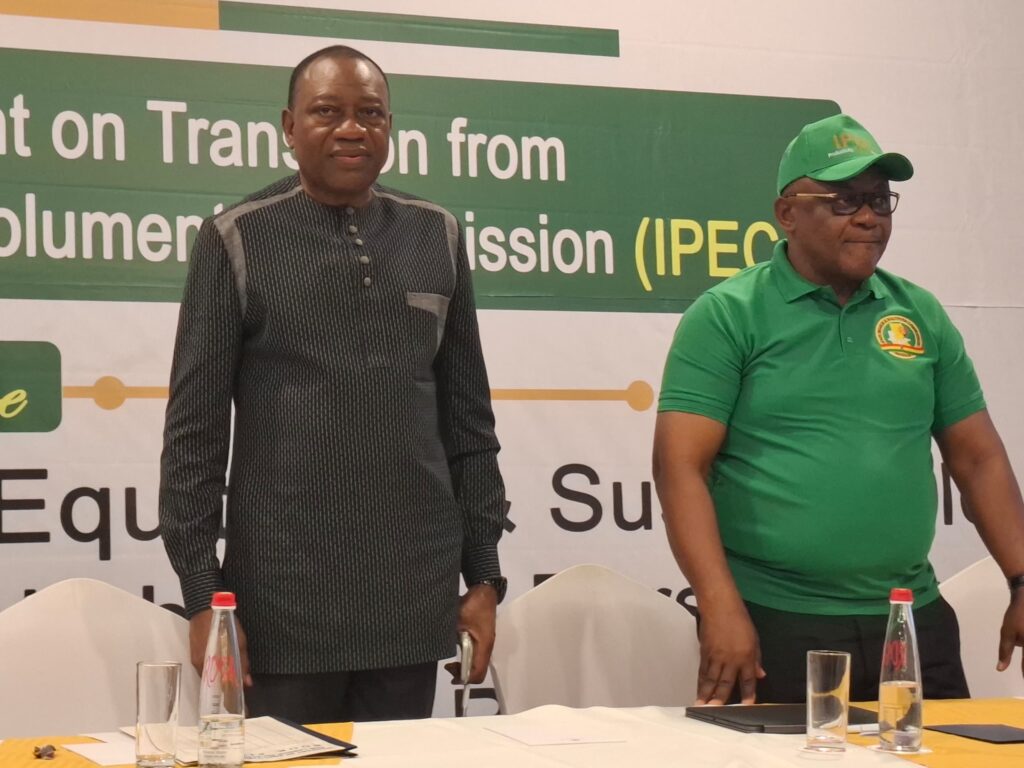
Dr Pelpuo said the proposed Commission presented an opportunity to strengthen the institutional framework for determining and managing public sector emoluments.
"The transition must, however, be carefully considered to ensure that the new framework promotes fairness, independence, transparency, consistency and accountability," he said.
The Minister said Government recognised Organised Labour as a critical partner in national development, stressing that workers’ views and concerns must inform the proposed framework.
"We must pursue an approach that links compensation to economic realities, productivity, public service performance and the ability of the state to meet its obligations," he said.
Dr Pelpuo assured participants that concerns and recommendations from the consultations would receive due consideration in the development of an effective and sustainable public compensation framework.
The Chief Executive Officer of the FWSC, Dr George Smith-Graham, said the transition to IPEC should go beyond changing the name of an institution and instead establish a stronger and more credible compensation system.
He said years of implementing the Single Spine Pay Policy had revealed challenges, including disparities in allowances and conditions of service, internal pay relativities, attraction and retention of critical skills, and the need to align compensation with productivity.
"The proposed IPEC should therefore not be understood as a departure from the journey we have travelled. It should represent the next generation of public compensation governance," he said.
Dr Smith-Graham said the consultation was intended to shape the legislation rather than endorse decisions already taken.
"Our purpose is not to manufacture consensus where real differences exist. It is to understand those differences, test our proposals against evidence and build a compensation system that commands legitimacy across the public sector," he said.
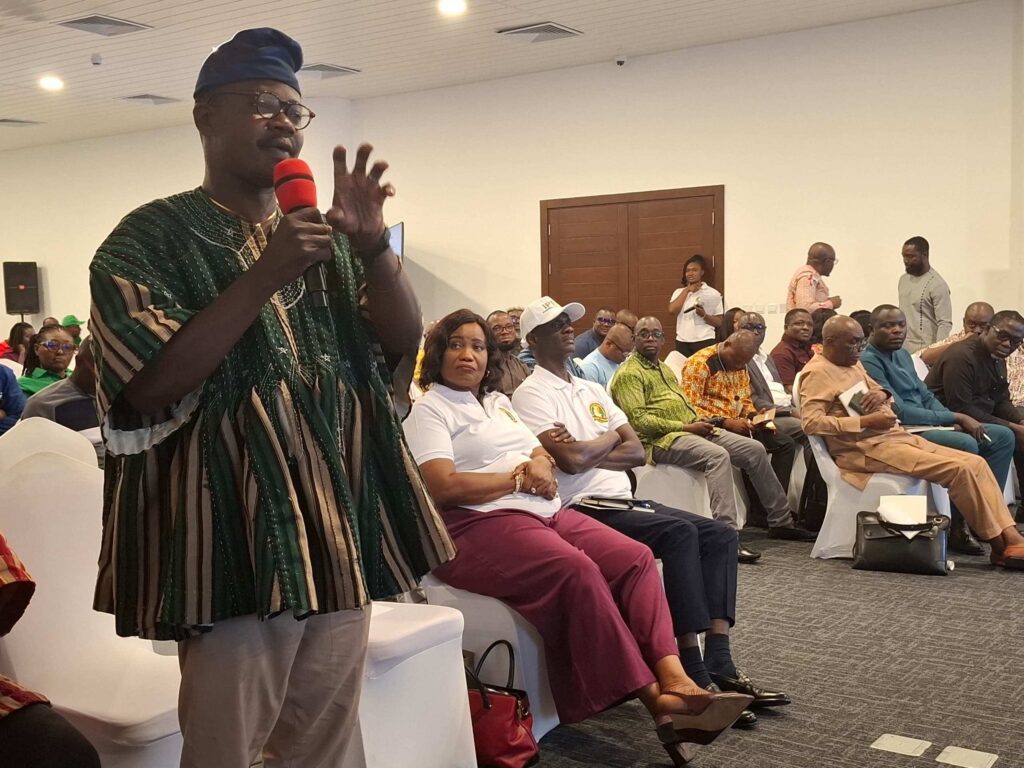
Secretary-General of the Ghana Trades Union Congress, Joshua Ansah, speaking on behalf of Organised Labour, welcomed the initiative but called for a comprehensive approach to the reforms.
He urged Government to involve Organised Labour throughout the process to ensure broad ownership of the new compensation framework.
"We don't want a situation where it will be a piecemeal approach. It should be a holistic approach so that what is good for the goose must also be good for the gander," he said.
Mr Ansah said Organised Labour would closely monitor the reform process and work with Government to establish a fair, transparent and equitable public sector pay system.
The proposed IPEC is expected to oversee the determination and management of public sector emoluments under a framework anchored on fairness, transparency, consistency, accountability and fiscal sustainability.
Latest Stories
-
Venezuela frees 39 political prisoners after post-Maduro talks
36 minutes -
EU unlocks humanitarian aid for crises worldwide
39 minutes -
Tenth woman’s body found as South Africa police probe killings
48 minutes -
Black woman found hanging from tree was dead before body was ‘staged’, police say
52 minutes -
Final day: 3rd Republic Bank-JoyNews Habitat Fair clinic underway at Junction Mall, Nungua
54 minutes -
Nor’easter brings flooding as New York and New Jersey declare emergency
1 hour -
Africa’s richest man helps fund $660m fuel pipeline between Ethiopia and Djibouti
2 hours -
Security lapses at Utah campus where Charlie Kirk was killed, review says
2 hours -
White House bars CNN from travelling with Trump on Air Force One
2 hours -
Pope praises young people’s ‘energy and commitment’ at huge open-air Mass in Paris
2 hours -
Nyankamam residents benefit from free medical screening, healthcare outreach
2 hours -
Ghana, Boeing explore setting up regional aircraft maintenance hub
2 hours -
Bangkok roads submerged as flood disaster declared
2 hours -
Four killed in helicopter crash near Montreal
2 hours -
Ghana could have national airline back in skies within 18 months – Boeing to Mahama
2 hours