

Audio By Carbonatix
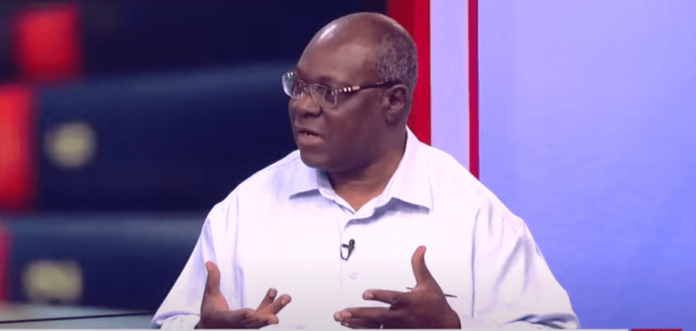
Punishment must be part of any plea deal involving Chairman Wontumi, political analyst Dr. Arthur Kennedy has argued.
He insists that any negotiated settlement should include custodial sentences or criminal fines rather than allow an accused person to walk away without consequences.
Speaking on Newsfile on Saturday during a discussion on the reported plea bargain involving Ashanti Regional NPP Chairman Bernard Antwi-Boasiako, popularly known as Chairman Wontumi, Dr. Kennedy defended the Attorney-General's decision to engage in plea negotiations but stressed that accountability must remain central to the criminal justice process.
"I think that those who say the Attorney General shouldn't, in effect, engage are wrong. There can always be negotiations and a plea deal, but I think that punishment is an important part of these things. It should not lead to a situation where people just return the money and go scot-free."
He argued that Ghana's justice system should apply the law equally, regardless of a person's social or political standing.
"A nation that deals fowl thieves and cassava thieves should not let big people go free when they commit crimes."
While acknowledging that plea bargains can reduce the cost and duration of criminal prosecutions, Dr. Kennedy maintained that they should not amount to immunity from punishment.
"So, yes, the negotiation can save us prosecution cost and defense attorney cost and all that kind of thing, but still punishment ought to be part of a plea deal."
Drawing comparisons with the United States, he explained that plea bargains typically result in reduced sentences rather than the complete avoidance of punishment.
"Here, a plea deal in the United States, for example, means that if this might have led to imprisonment for life, it may lead to, say, 10 or 15 years' imprisonment. In other words, you might get a lesser sentence when you do a plea deal, but it does not mean that if you clearly committed a crime, you can walk away scot-free."
Dr. Kennedy also cautioned against assuming guilt before the judicial process is concluded, reiterating the legal principle that every accused person is presumed innocent until proven guilty.
"So one should not presume anybody guilty. He's innocent until proven guilty. He should be able to engage, but I think that some kind of custodial sentence or criminal penalties must be on the table."
Latest Stories
-
Rooted like a tree, responsive like a river: Dr Amin Adam calls for new model of Imamship to meet modern realities
2 minutes -
La Traditional Council secures suspension of SSNIT’s La Pleasure Beach redevelopment plans
6 minutes -
Joy FM listeners support mother seeking treatment for 3-year-old daughter after alleged sexual abuse
11 minutes -
German Unity Day celebrated with music, art and Ghana-Germany friendship in Accra
13 minutes -
MEHSOG and GFD build capacity of Ashanti Region journalists on inclusive disability reporting
15 minutes -
A woman should not have to choose between being fed and being safe
19 minutes -
“Wontumi doesn’t like where he is”– Palgrave Boakye
28 minutes -
The Labadi shoreline demolitions: Who owns the beach?
38 minutes -
Cedi will continue to be stable – Deputy Finance Minister
40 minutes -
Minority urges full probe into World Cup visa allegations after Ampofo Ankrah’s removal
40 minutes -
Asiedu Nketiah backs greater church role in running mission schools
42 minutes -
Galamsey activities redirect Mankran Stream, destroy farms, and threaten flooding in Okroase
47 minutes -
WiSTEM Ghana Camp assembles 320 girls to explore STEM education
47 minutes -
Russia launches heavy strikes at Ukraine, killing at least 20
47 minutes -
Freddie Blay accuses government of politically motivated demolitions targeting his family
53 minutes