

Audio By Carbonatix
The government has announced plans to reintroduce road tolls in a bid to tackle a significant financing gap in road infrastructure, a step which is expected to generate substantial revenue for the sector.
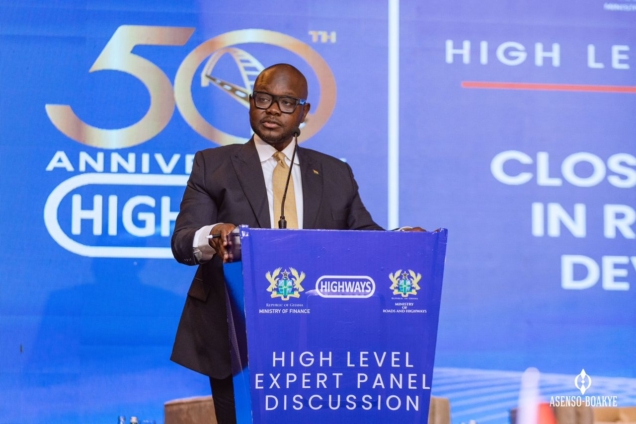
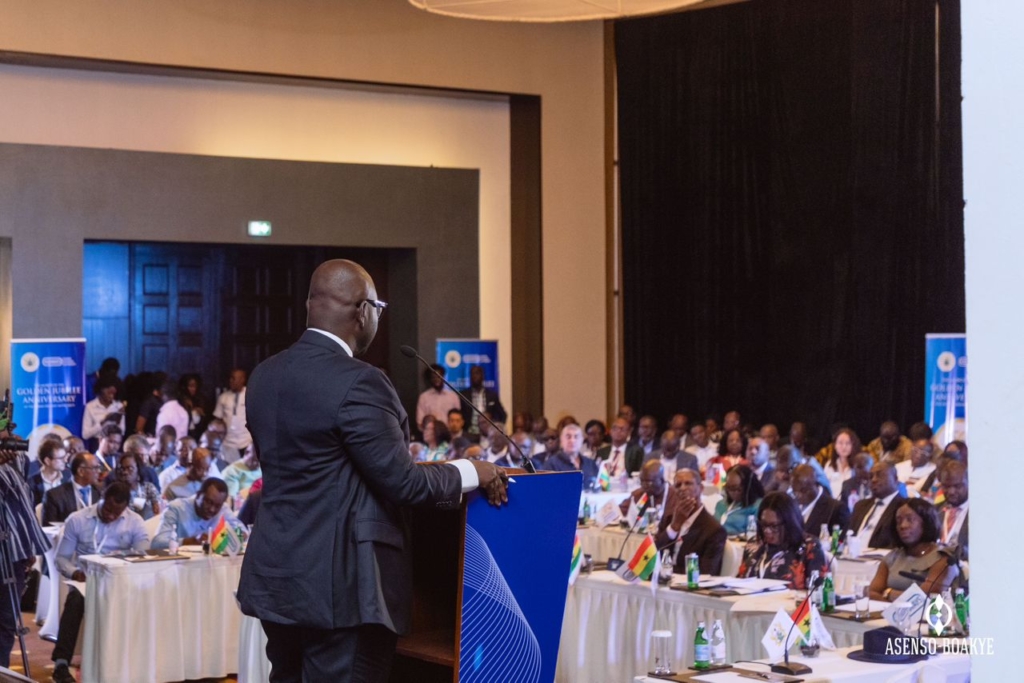
This proposal was disclosed by the Minister of Roads and Highways, Francis Asenso-Boakye during a high-level panel discussion marking the 50th anniversary of the Ghana Highways Authority (GHA).
Mr Asenso-Boakye stressed the critical role of road infrastructure in the socio-economic development of the country, noting that road transport accounts for approximately 95% of all transportation in Ghana.
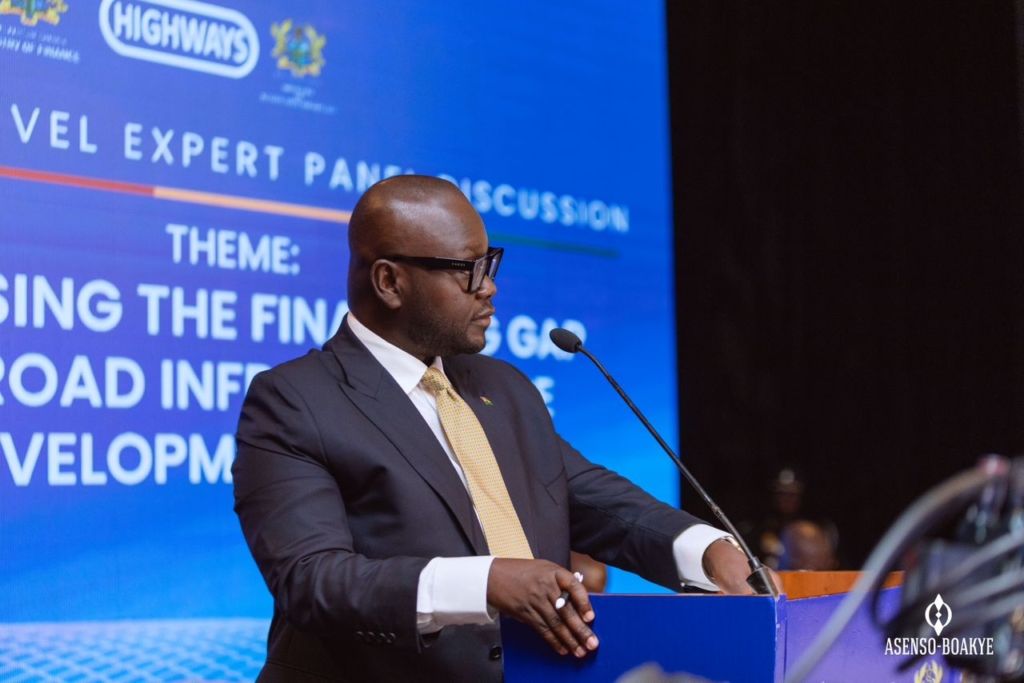
“The need for increased funding to the Road Sector is both urgent and evident," the Minister emphasised, as the nation grapples with a road network where only 44% of roads are in good condition, against a target of 70% by 2025.
Despite significant progress under the current administration, which says it has added 12,830 kilometres of roads compared to the 4,636 kilometres by the previous administration, the Minister acknowledged that much work remains.
“Government resources alone are insufficient to bridge this gap," he stated, underscoring the importance of exploring innovative financing models and public-private partnerships.
Given the Minister of Finance's recent announcement to reintroduce road and bridge tolls in 2025, the Roads Minister said the Ministry of Roads and Highways has already begun taking steps towards this actualisation, viewing tolling as a promising revenue source.
Mr Asenso-Boakye cited the Korea Expressway Corporation, which generates $4 billion annually from tolls, as an example of the potential revenue such measures could yield.
The Minister also called for increased engagement with private sector partners and international development agencies such as the World Bank and the African Development Bank.
These partnerships are deemed vital for leveraging additional funds and expertise, essential for the ambitious road development projects Ghana envisions.

As part of these efforts, the government is preparing to establish a National Roads Authority, which will unify the country’s three implementing agencies into a single entity.
This new Authority aims to streamline operations, improve efficiency, and create a more coordinated approach to road management, thereby enhancing the capacity to deliver better infrastructure and maintenance services.
The Vice President, Dr. Mahamudu Bawumia, who was the guest speaker at the event, highlighted the critical role of road infrastructure in national development and the government’s commitment to addressing the financing shortfall.
According to recent estimates, Ghana requires $12 billion to clear the maintenance backlog and bring the network of about 94,203km to an optimal level. However, current funding levels cover only about 38% of this requirement, leading to deteriorating road conditions, increased maintenance costs, and missed economic opportunities.
The Vice President proposed several policy initiatives to address the identified challenges. These include fostering Public-Private Partnerships (PPPs) to unlock new funding streams and leverage expertise in project implementation.
The government has taken proactive steps to create an enabling environment for PPPs, streamlining regulatory processes, and offering incentives to attract private investment, he added.
Exploring innovative financing models, such as infrastructure bonds, road funds, and toll systems, was also suggested as a means to generate sustainable revenue streams. He said the government is committed to expanding such initiatives and exploring new models to enhance funding capacity.
The Vice President also emphasized the importance of enhancing domestic revenue mobilization efforts. By broadening the tax base and improving tax administration, additional revenue can be generated to support road projects.
This includes collecting property rates in high-income neighborhoods and issuing municipal bonds to raise capital.
For his part, the Finance Minister, Dr. Mohammed Amin Adam, said the District Road Improvement Programme (DRIP) and the upcoming Economic Roads Improvement Initiative will ensure funding of roads that link pivotal productivity-enhancing ventures such as agricultural enclaves and tourist sites.
However, he said, despite the government’s best-efforts, public-sector funding and initiatives alone will not bridge this gap.Adding “We believe that the solution lies in making significant room for private-sector participation. Therefore, PPPs offer a critical opportunity for us to close our road financing gap, and we have prioritised working toward streamlining the PPP process.”
Latest Stories
-
Asos hackers took more personal details than first revealed, BBC finds
3 hours -
Fort Hood shooter’s execution by firing squad will be livestreamed, Pentagon says
4 hours -
Chrysler Building to get its crown restored after being sold
4 hours -
Infantino re-election boost as Concacaf chief will not stand
4 hours -
Everton’s Sherif fined for breaching betting rules
4 hours -
Suspended fine for Xhaka over Covid-19 certificate
4 hours -
Businessman dragged to court over GH¢480,000 fraud
4 hours -
Pregnant woman and husband found dead in a room at Anloga-Kportorgboe
5 hours -
Man, 87, jailed 20 years for defiling nine-year-old girl at Ofankor
5 hours -
Maresca says ‘feeling is fantastic’ among Man City squad
5 hours -
Sam George warns FBI Director against taking sole credit for Ghana cybercrime operation
5 hours -
Foreign capital no passport to Ghana’s informal retail market – GIPA CEO
5 hours -
E&P model should be seen as a blueprint for building local mining giants – GIPA Boss
5 hours -
Govt’s decision to reduce nurse training long overdue – GRNMA
5 hours -
Ghana needs emergency health fund to respond swiftly to outbreaks – SEND Ghana
5 hours