

Audio By Carbonatix
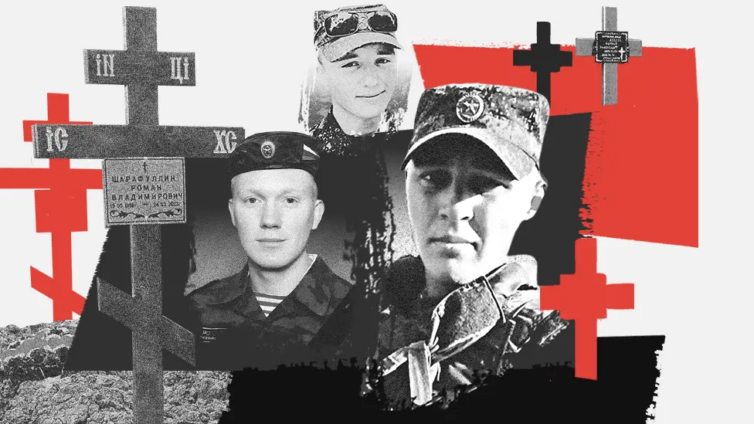
Russia's military death toll in Ukraine has now passed the 50,000 mark, the BBC can confirm.
In the second 12 months on the front line - as Moscow pushed its so-called meat grinder strategy - we found the body count was nearly 25% higher than in the first year.
BBC Russian, independent media group Mediazona and volunteers have been counting deaths since February 2022.
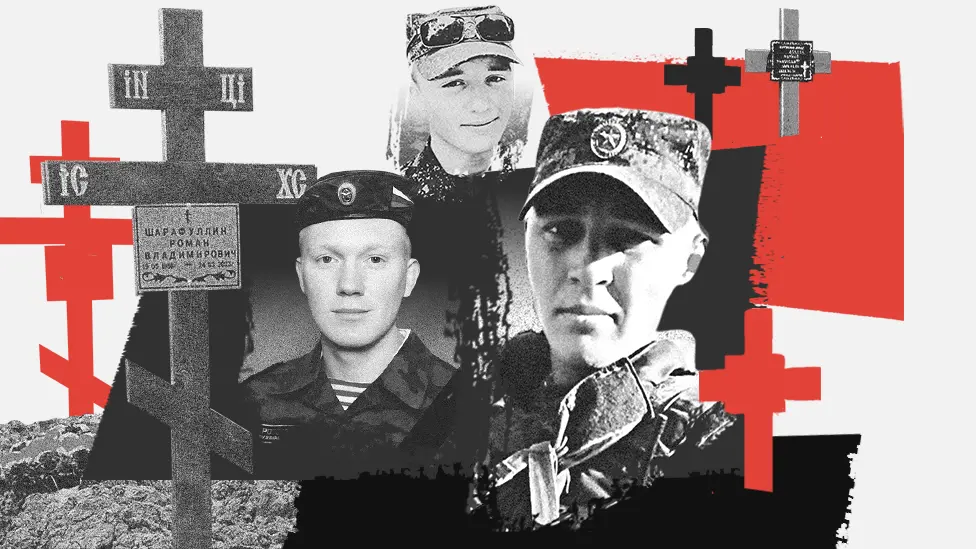
New graves in cemeteries helped provide the names of many soldiers.
Our teams also combed through open-source information from official reports, newspapers and social media.
More than 27,300 Russian soldiers died in the second year of combat - according to our findings - a reflection of how territorial gains have come at a huge human cost.
Russia has declined to comment.
The term meat grinder has been used to describe the way Moscow sends waves of soldiers forward relentlessly to try to wear down Ukrainian forces and expose their locations to Russian artillery.
The overall death toll - of more than 50,000 - is eight times higher than the only official public acknowledgement of fatality numbers ever given by Moscow in September 2022.
The actual number of Russian deaths is likely to be much higher.
Our analysis does not include the deaths of militia in Russian-occupied Donetsk and Luhansk - in eastern Ukraine. If they were added, the death toll on the Russian side would be even higher.
Ukraine, meanwhile, rarely comments on the scale of its battlefield fatalities. In February, President Volodymyr Zelensky said 31,000 Ukrainian soldiers had been killed - but estimates, based on US intelligence, suggest greater losses.
Meat grinder tactics
The BBC and Mediazona's latest list of dead soldiers shows the stark human cost of Russia's changing front-line tactics.
The graph below shows how the Russian military suffered a sharp spike in the number of deaths in January 2023, as it began a large-scale offensive in the Donetsk region of Ukraine.
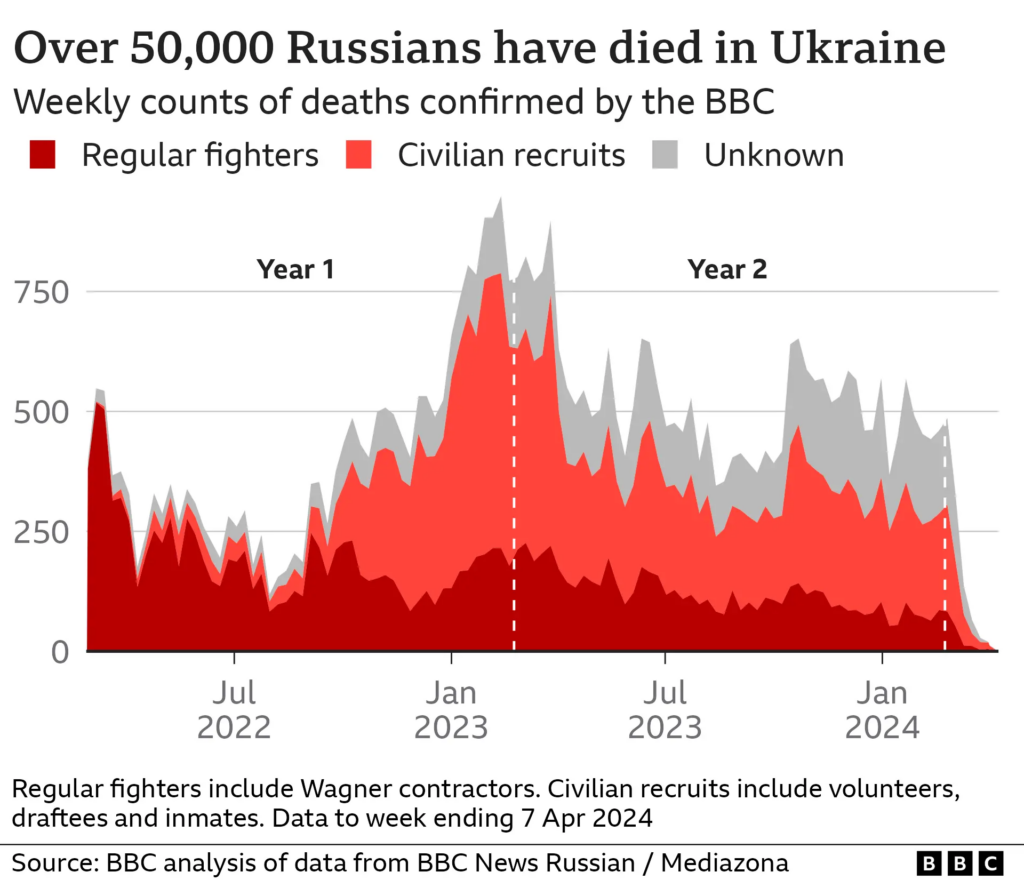
As Russians fought for the city of Vuhledar it used "ineffective human-wave style frontal assaults", according to the Institute for the Study of War (ISW).
"Challenging terrain, a lack of combat power, and failure to surprise Ukrainian forces", it said, led to little gains and high combat losses.
Another significant spike in the graph can be seen in spring 2023, during the battle for Bakhmut - when the mercenary group, Wagner, helped Russia capture the city.
Wagner's leader, Yevgeny Prigozhin, estimated his group's losses around that time to be 22,000.
Russia's capture of the eastern-Ukrainian city Avdiivka last autumn also led to another surge in military deaths.
Counting graves
Volunteers working with the BBC and Mediazona have been counting new military graves in 70 cemeteries across Russia since the war started.
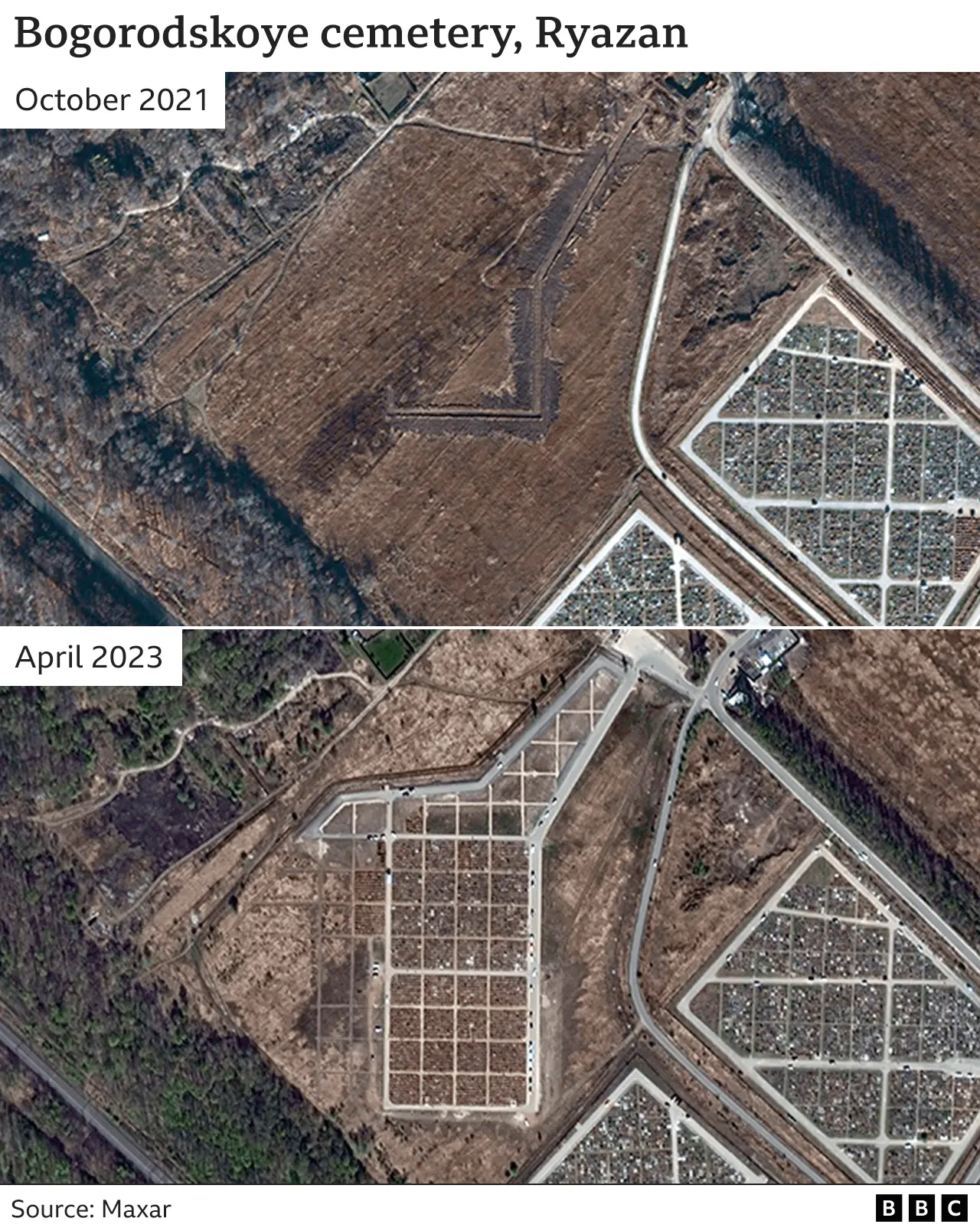
Graveyards have been expanded significantly, aerial images show.
For example, these images of Bogorodskoye cemetery in Ryazan - to the south-east of Moscow - show a whole new section has appeared.
Pictures and videos taken on the ground suggest most of these new graves belong to soldiers and officers killed in Ukraine.
The BBC estimates at least two in five of Russia's dead fighters are people who had nothing to do with the country's military before the invasion.
At the start of the 2022 invasion, Russia was able to use its professional troops to conduct complicated military operations - explains Samuel Cranny-Evans of the Royal United Services Institute (Rusi).
But a lot of those experienced soldiers are now likely to be dead or wounded, says the defence analyst, and have been replaced by people with little training or military experience - such as volunteers, civilians and prisoners.
These people can't do what professional soldiers can do, explains Mr Cranny-Evans. "This means they have to do things that are a lot simpler tactically - which generally seems to be a forward assault onto Ukrainian positions with artillery support."
Wagner v the defence ministry
Prison recruits are crucial to the success of the meat grinder - and our analysis suggests they are now being killed quicker on the front line.
Moscow allowed leader Yevgeny Prigozhin to begin recruiting in prisons from June 2022. The inmates-turned-fighters then fought as part of a private army on behalf of the Russian government.
Wagner had a fearsome reputation for relentless fighting tactics and brutal internal discipline. Soldiers could be executed on the spot for retreating without orders.
The group continued to recruit prisoners until February 2023, when its relationship with Moscow began to sour. Since then, Russia's defence ministry has continued the same policy.
Prigozhin staged an aborted mutiny against Russia's armed forces in June last year - and tried to advance towards Moscow before agreeing to turn back. In August, he was killed in a plane crash.
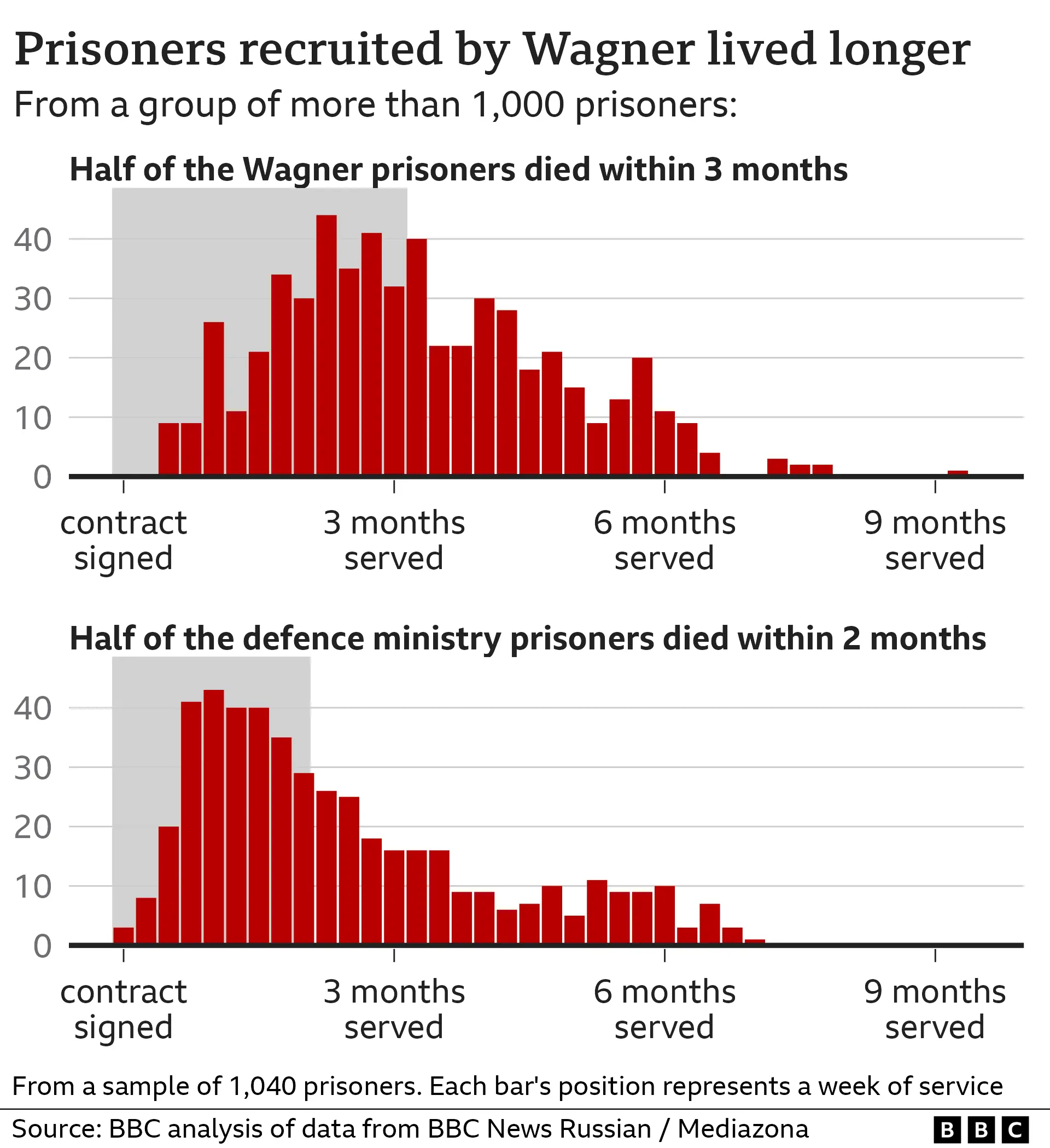
Our latest analysis focused on the names of 9,000 Russian prison inmates who we know were killed on the front line.
For more than 1,000 of them, we confirmed their military contract start dates and when they were killed.
We found that, under Wagner, those former prisoners had survived for an average of three months.
However, as the graph above suggests, those recruited later by the defence ministry only lived for an average of two months.
Latest Stories
-
Anwelle Foundation launched in Jirapa to tackle poverty, youth unemployment
15 minutes -
Joy Sports Editor Fentuo Tahiru Fentuo to moderate inaugural Music Meets Football Summit in Zambia
20 minutes -
Court premises too volatile for Baffour Awuah’s attempted arrest by EOCO – Inusah Fuseini
27 minutes -
Drug bust: Under no circumstances will NACOC leadership be compromised – Twum-Barimah
28 minutes -
VIDEO: EOCO’s attempted arrest of Baffour Awuah was flawed beyond saving – Law Lecturer
28 minutes -
Genuine Ghanaian exporters may face heightened foreign inspections over drug busts – Lawyer
28 minutes -
Stakeholders demand action against foreign-led illegal mining in Ahafo Region
2 hours -
Ghana handed tricky draw at 2026 Amputee World Cup
2 hours -
2024 Nyankpala election violence: Youth group petitions authorities over slow probe
2 hours -
Ghana, UNICEF strengthen partnership to advance child protection
3 hours -
Day Two of 3rd Republic Bank-JoyNews Habitat Fair ends with great homeownership offers and financing solutions
3 hours -
Guinness Ghana DJ Awards 2026 Pub Fest celebrates Ghana’s DJ culture as Accra turns up the energy
3 hours -
10th woman found dead in South Africa’s string of killings
3 hours -
French Embassy trains Ghana Police CTU in counter-terrorism operations
4 hours -
UPSA uncovers mass results manipulation involving 178 students, over 500 results compromised
4 hours